Can you really grow a whole new plant from just a leaf? It’s one of the most magical and cost-effective tricks in a plant lover’s toolkit, turning a single fallen leaf into a thriving new specimen. The answer, however, isn’t a simple yes or no. While many popular houseplants can indeed be propagated from leaves, success hinges on a critical, often-missed detail: whether that leaf needs a piece of stem tissue called a node. This guide will walk you through the two distinct paths of leaf propagation, highlighting the best plants for leaf propagation that thrive from a simple leaf blade and clearly identifying the node-required houseplants where a leaf alone will lead to disappointment. Understanding this fundamental difference is the key to unlocking your propagation success and confidently expanding your indoor jungle.
The best way to propagate plants from leaves depends entirely on the species. Many succulents and some begonias can grow from a single leaf blade placed on soil. However, for most vining plants like Pothos or Monstera, you must include a node—the small bump where leaves and roots emerge—on your cutting for successful propagation. Always check the plant’s specific needs before you snip.
The Two Paths of Leaf Propagation
Before you snip, you need to know which of two distinct biological paths your plant follows. This is the single most important factor for success. The difference boils down to where the plant stores its growth cells, known as meristematic tissue.
For some species, a single leaf blade contains enough of these cells to generate both new roots and a new shoot. For others, the leaf alone lacks this capability; it needs a piece of the stem, specifically a node. A node is that small, often slightly swollen bump on a stem where leaves, buds, and aerial roots emerge. It’s the plant’s command center for new growth.
Understanding this split will save you weeks of watching a lonely leaf root but never sprout. To make it easy, here’s a quick-reference table for some of the most popular houseplants.
| Plant Name | Propagation Type | Key Notes / Tips |
|---|---|---|
| Jade Plant | Leaf-Only | Let leaf callus for 1-2 days before placing on dry soil. |
| Snake Plant | Leaf-Only | Can use leaf sections; note variegation may not carry over. |
| Peperomia | Leaf-Only | Use leaf with a bit of petiole (stem); water or soil work. |
| Echeveria | Leaf-Only | Gently twist leaf from stem; place on soil, avoid sun. |
| Rex Begonia | Leaf-Only | Can propagate from whole leaf or even leaf sections. |
| Pothos | Node-Required | Must include a node; will root quickly in water or soil. |
| Monstera | Node-Required | A node is non-negotiable; an aerial root is a bonus. |
| Philodendron | Node-Required | Similar to Pothos; a cutting with 1-2 nodes is ideal. |
| ZZ Plant | Node-Required | Use a leaf with a bit of stem tissue (a “petiole node”). |
| Hoya | Node-Required | Needs a node; a single “Hoya heart” leaf will not grow. |
Champions of Leaf-Only Propagation
This group is perfect for beginners. If you have one of these plants, you can truly start a new one from just a leaf or a leaf section. The process is generally slower than with stem cuttings, but it’s remarkably reliable and fascinating to watch.
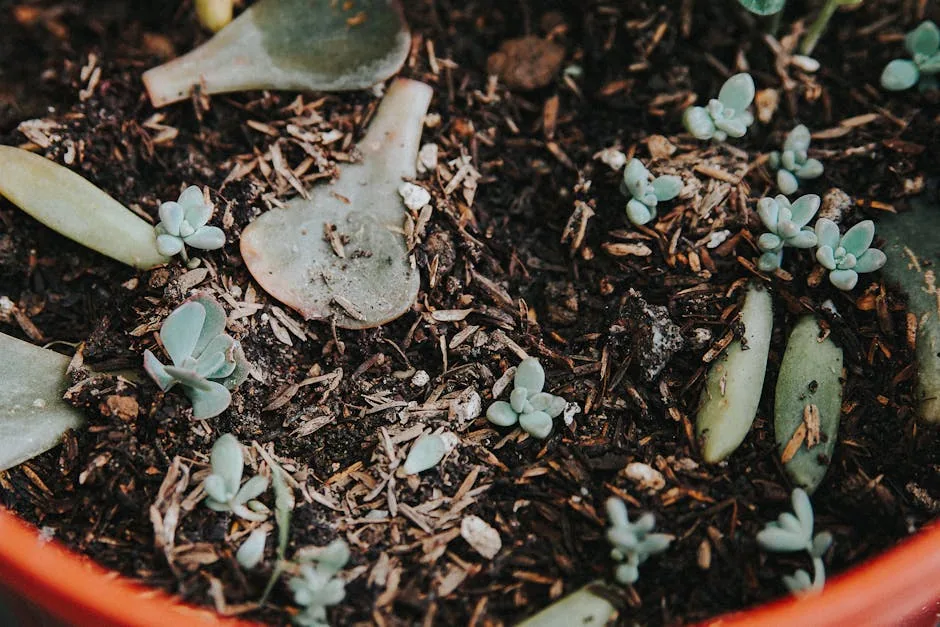
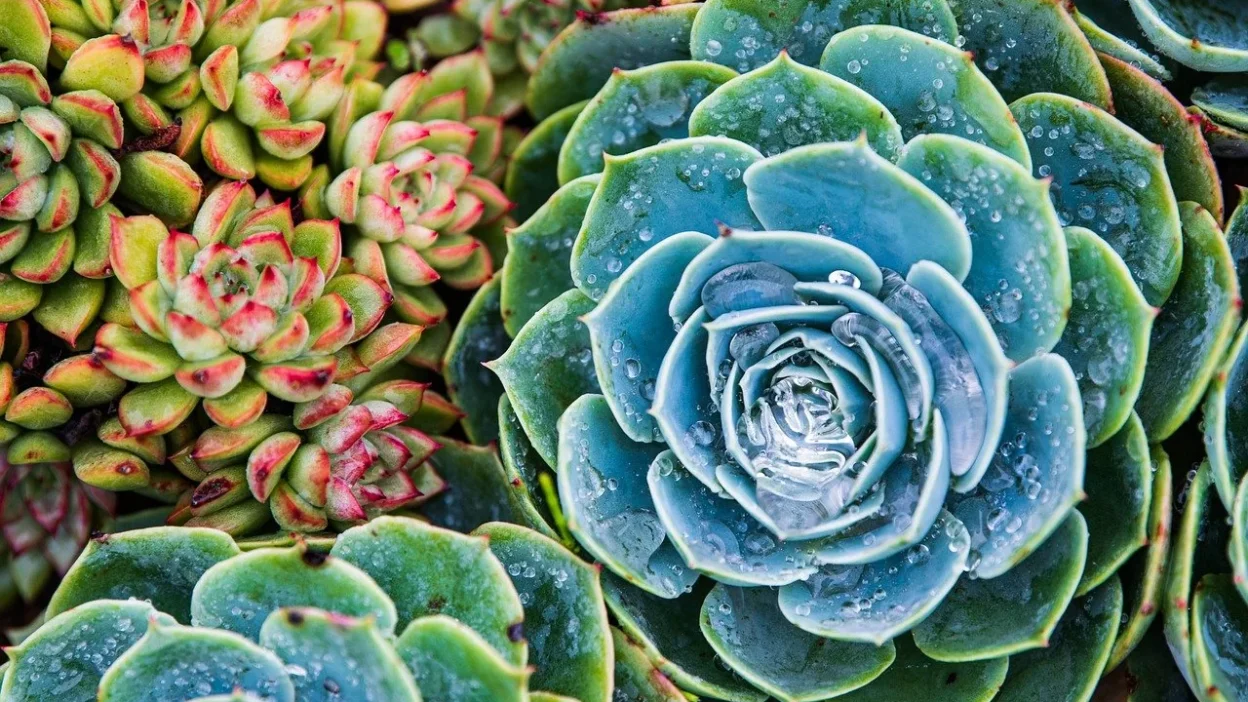
Photo by Kenneth Surillo on Pexels
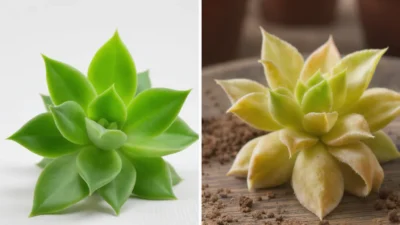
Succulents (Echeveria, Jade, Sedum, Graptopetalum)
These are the poster children for leaf propagation. The plump leaves store water and energy, allowing them to sustain themselves while they send out roots and a tiny rosette. The key is a clean pull from the stem and a 1-3 day “callusing” period to seal the wound before placing on dry soil.
Snake Plant (Sansevieria)
You can propagate Snake Plants from whole leaves or even cut a single leaf into several horizontal sections. Place the cut end (remember which way was down!) into soil or water. Be aware: if you use a leaf from a variegated variety like ‘Laurentii’, the new plant will likely revert to all green.
Peperomia
Many Peperomia varieties, like the Watermelon or Ripple Peperomia, can grow from a leaf cutting. It’s best to include the petiole (the small stem attaching the leaf to the main plant). You can root these in water or directly in a moist, well-draining mix.
Rex Begonia
These stunning foliage plants have a superpower: you can pin a whole leaf vein-side-down on moist soil, or even cut a leaf into wedges, each containing a major vein, to produce multiple new plants. It’s one of the most rewarding plants that propagate from leaves.
The Node-Needy Crew: When a Leaf Isn’t Enough
This is the critical warning section. For these popular node required houseplants, a leaf blade alone is a dead end. It might even grow roots in water, giving you false hope, but it will never produce a new vine or stem. The growth cells simply aren’t in the leaf.
Vining Plants (Pothos, Philodendron, Monstera)
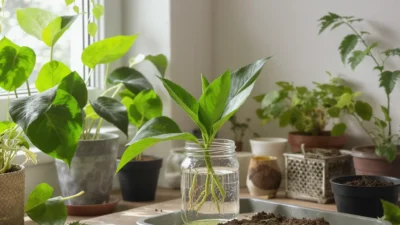
This entire category requires a node. When you take a cutting, ensure it has at least one node, and ideally one or two leaves. The node can be placed in water or soil, where it will produce roots. Without it, you just have a leaf in a vase.
ZZ Plant (Zamioculcas zamiifolia)
While often listed under “leaf propagation,” a ZZ plant leaf requires a specific piece of the stem—the swollen base where the leaf attaches. This is essentially a tiny, specialized node. A leaf blade snapped off cleanly will not succeed.
Hoya
A common disappointment is the “Hoya heart” (a single, heart-shaped leaf). It may root and live for years, but it will never trail or flower because it lacks a node. For a plant that grows, you must include a segment of stem with a node.
The takeaway? Always inspect your cutting. If you don’t see a node, assume your plant is in this crew and find a different piece to cut. This simple check is the difference between propagation success and a lesson in patience.
Choosing Your Method: A Quick-Start Guide
Once you’ve identified which path your plant is on, the actual steps are straightforward. Here’s a side-by-side look at what to do next.
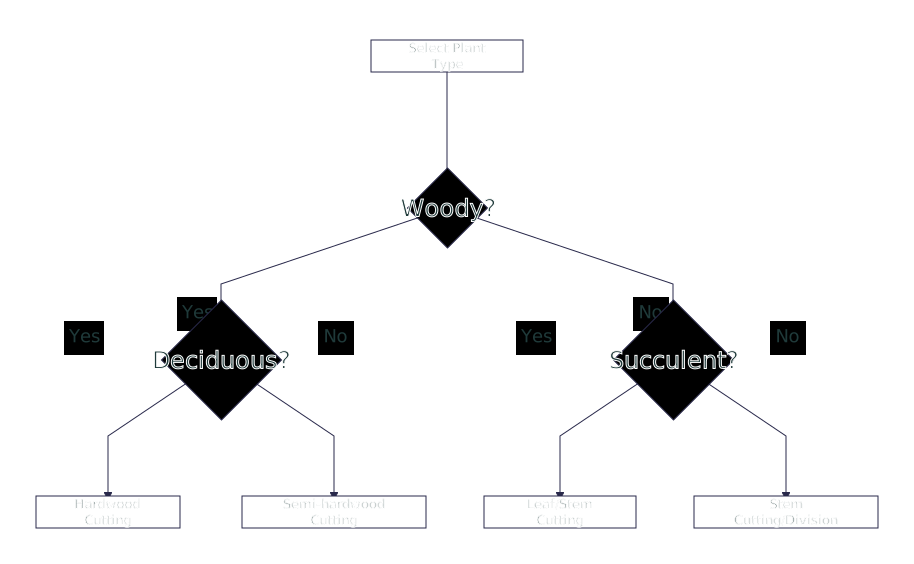
For Leaf-Only Champions:
- Preparation: Take a healthy, mature leaf. For succulents, let the cut end dry and callus over for 1-3 days to prevent rot.
- Medium: Place the leaf on top of well-draining, slightly moist soil (don’t bury it). For Peperomia or Snake Plant sections, you can also start in water.
- Early Care: Provide bright, indirect light. Mist the soil lightly when it’s completely dry. Be patient—roots and a new plantlet can take several weeks to months.
For the Node-Needy Crew:
- Preparation: Take a cutting with at least one node and 1-2 leaves. Make a clean cut just below the node.
- Medium: Place the node in water (change weekly) or directly into moist potting mix. The node must be in contact with the medium.
- Early Care: Bright, indirect light. For water propagation, wait until roots are 1-2 inches long before potting. For soil, keep slightly moist and tug gently after a few weeks to check for root resistance.
Both methods benefit from warmth and humidity. If you’re unsure, starting a node cutting in water lets you see the progress, which is great for building confidence. For more detailed guidance on specific plants, resources like the University of Minnesota Extension’s guide to propagating houseplants offer excellent, science-backed advice.
Start Your Propagation Journey with Confidence
The world of plant propagation opens up once you understand this simple leaf-versus-node rule. It turns a mysterious, sometimes frustrating process into a predictable and deeply satisfying one. You now have the filter to avoid the most common pitfall and a list of the best, most forgiving plants to start with.
My advice? Build your confidence with a surefire winner from the leaf-only list, like a Jade or Snake Plant leaf. Once you’ve seen that magic happen, you’ll be ready to confidently take node cuttings from your vining plants. Remember, every new plant you grow from a cutting is a testament to a little knowledge applied at the right time. Happy propagating!