Ever wondered why that pothos cutting you took in November is still just a sad leaf in a jar of water, while the one you snipped in May exploded with roots in weeks? The secret isn’t a green thumb—it’s timing. Getting the best time to propagate plants right is less about marking a date on the calendar and more about understanding the natural rhythm of growth. Think of it as a series of seasonal choices: your plant type dictates the playbook. This guide cuts through the confusion, framing propagation not as a rigid schedule but as a simple decision tree. You’ll learn to match your plant—whether it’s a trailing houseplant, a woody shrub, or a hardy succulent—with its ideal season, turning propagation from a guessing game into a predictable, rewarding part of your gardening routine.
The best time to propagate most plants is during their active growth season, typically spring through early summer, when they have the energy to root quickly. However, the ideal timing is a decision based on your plant type—soft-stemmed houseplants in warm months, woody shrubs in dormancy, and succulents when days are long. The universal signal is active growth: look for new leaves and stems as your cue to start.
The Core Rule: Propagate During Active Growth
Forget memorizing exact dates. The single most reliable rule for finding the optimal propagation season is to work with your plant’s natural energy cycle. Simply put, you want to take cuttings or divide a plant when it is in its active growth phase.
Why does this work? During active growth, a plant is producing new cells rapidly, fueled by ample sunlight and warmer temperatures. Its hormone levels, particularly auxins that stimulate root development, are high. This means a fresh cutting has the internal resources and signals to quickly produce roots rather than just sitting in water or soil. For most plants, this period spans from late spring through early summer, when days are long and growth is vigorous.
Your first decision point is identifying this cycle. Is your plant pushing out new leaves or longer stems? That’s your green light. This principle is the foundation for all the specific timing advice that follows, whether you’re figuring out when to propagate houseplants or outdoor perennials.
Your Propagation Season Decision Tree
Now, let’s apply the “active growth” rule to different types of plants. Since not all plants grow on the same schedule, use this simple guide to narrow down your seasonal propagation timing.
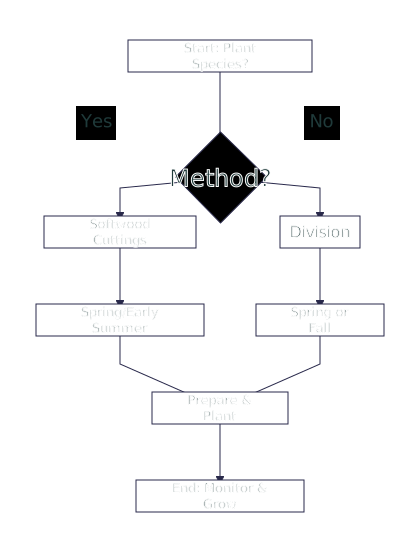
If your plant is a soft-stemmed houseplant (Pothos, Philodendron, Tradescantia)…
Then propagate in spring or early summer. These tropical plants respond best to warmth and humidity. Their soft stems root easily in water or soil when the parent plant is in its peak growing season.
If your plant is a woody shrub or tree (Rosemary, Hydrangea, Fig)…
Then the right time to propagate is often during dormancy (late fall to late winter) for hardwood cuttings, or in early summer for softwood cuttings. Dormant cuttings leverage the plant’s stored energy without the stress of supporting leaves.
If your plant is a succulent or cactus (Jade plant, Echeveria, Aloe)…
Then propagate in spring or summer. They need warm temperatures and plenty of light to callous and root properly. Avoid doing it in the dark, cool days of winter when they are semi-dormant.
If your plant is a herbaceous perennial (Hostas, Daylilies, ornamental grasses)…
Then divide it in early spring as it emerges or in early fall. This avoids the stress of summer heat and gives the divisions time to establish roots before extreme weather. The University of Minnesota Extension provides excellent guidance on this method.
Season-by-Season & Plant-by-Plant Guide
For a quick, scannable reference, this table breaks down the recommendations by season and major plant category. Use it as your cheat sheet for plant propagation by season.
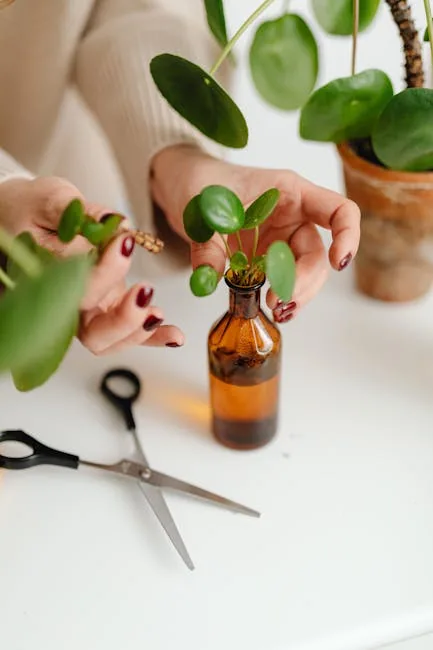
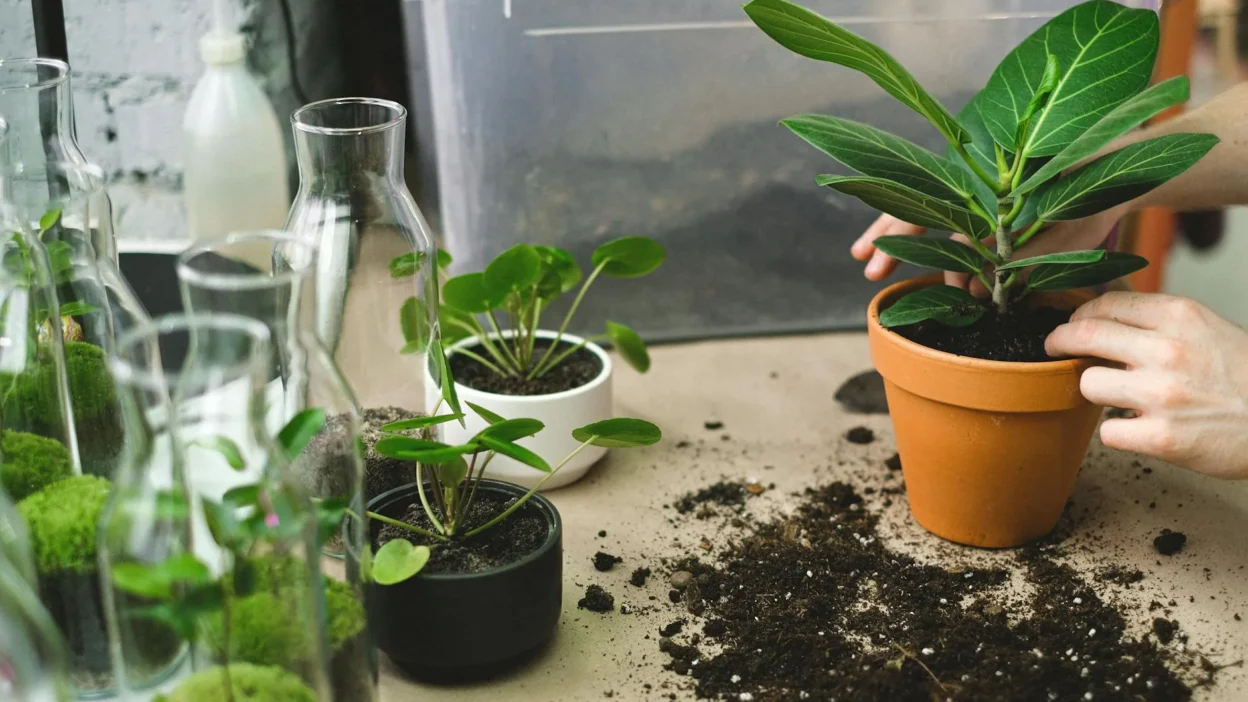
Photo by www.kaboompics.com on Pexels
| Season | Tropical Houseplants | Herbaceous Perennials | Woody Stems (Shrubs/Trees) | Succulents & Cacti |
|---|---|---|---|---|
| Spring | Best. Ideal for stem cuttings in water or soil. | Best. Divide as new growth appears. | Good. Use softwood cuttings in late spring. | Best. Perfect for leaf and stem cuttings. |
| Summer | Good. Continue with cuttings, provide shade. | Avoid. Too hot and stressful for division. | Good. Softwood cuttings early in season. | Good. Continue propagation in bright, indirect light. |
| Fall | Fair. Slower rooting as light decreases. | Best. Divide in early fall for root establishment. | Best. Take hardwood cuttings during dormancy (late fall). | Fair. Possible early fall, but growth slows. |
| Winter | Possible. Use heat mats and grow lights for success. | Avoid. Plants are dormant; division is risky. | Best. Ideal for dormant hardwood cuttings. | Avoid. Low light and cool temps hinder growth. |
Reading Your Plant’s Cues (Beyond the Calendar)
The table is an excellent guide, but your specific plant and environment offer the final clues. The calendar gives you the window; your plant’s condition tells you the exact moment.
Look for these signs of readiness: a flush of new, healthy growth; a plant that is overall vigorous and not stressed by drought, pests, or recent repotting. A cutting taken from a struggling plant is less likely to succeed, regardless of the season.
Also, consider your microclimate. For indoor plants under consistent grow lights and room temperatures, seasonal propagation timing can blur. You can often propagate year-round, though progress may be slower in winter. Using a seedling heat mat can mimic spring soil temperatures and significantly boost rooting success out of season, as noted in resources from institutions like Penn State Extension.
In short, use the seasonal guidelines as your starting framework, but always let the health and activity of your plant have the final say.
Start with the Season, Learn from the Plant
Propagation timing doesn’t need to be a mystery. By remembering the core rule of active growth and using the plant-type guide, you can make an informed choice for almost any plant in your collection. The goal isn’t perfection, but a significant increase in your success rate.
Don’t let the fear of picking the wrong week paralyze you. The most common error isn’t propagating in the “good” instead of the “best” season—it’s not trying at all. Use this guide to pick the coming suitable season for a plant you love, take a cutting, and observe what happens. Each attempt, successful or not, teaches you more about your plant’s rhythms than any calendar ever could.