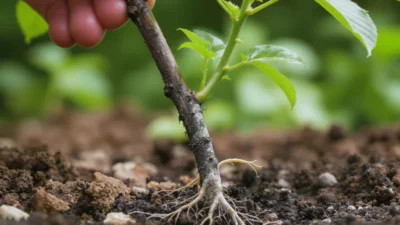
You’ve seen a beautiful shrub in your garden and thought, “I’d love another one of those.” So, you bend a stem down to the soil, pin it, and wait… only to find a broken branch or, months later, no roots at all. This common frustration happens when gardeners use a one-size-fits-all approach to plant propagation. The truth is, the best way to layer plants by stem type isn’t a single technique—it’s a matching game. Success hinges on observing two simple traits: the flexibility of the stem and the plant’s natural growth habit. This practical guide cuts through the confusion, providing a clear decision framework to help you choose the right plant layering technique—whether you’re working with a pliable raspberry cane or a rigid magnolia branch—so you can multiply your favorite plants confidently and cost-effectively.
The best way to layer plants by stem type is to first assess stem flexibility and growth habit. For long, flexible stems, use simple or tip layering. For stiff, upright stems, use air or mound layering. Match the technique to the plant’s natural form to encourage rooting without damage.
The First Decision: Is Your Stem Flexible or Stiff?
Successful propagation by layering starts with a simple observation. Before you touch a tool, you need to answer one question about your plant’s architecture. This is the core of the best way to layer plants by stem type: matching the technique to the plant’s natural form.
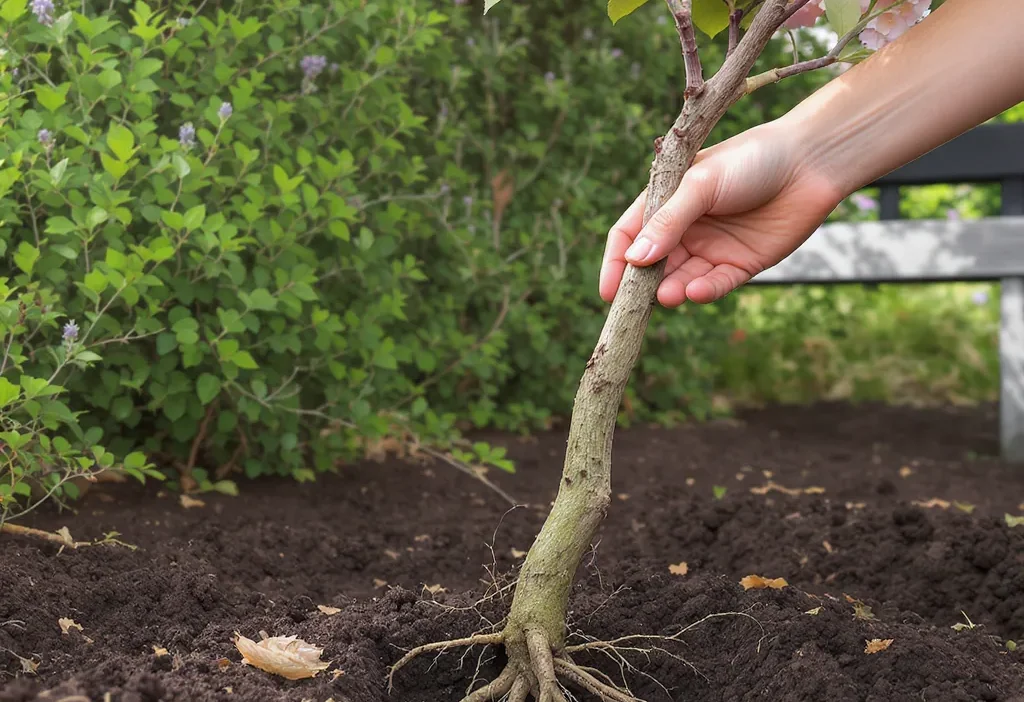
So, how do you tell? A flexible stem is one you can gently bend down to the soil surface without it snapping. Think of the long, whippy canes of a raspberry or the trailing vines of a honeysuckle. They’re built to move. A stiff stem is woody and upright, resisting any significant bend. The trunk of a young magnolia or the rigid branches of a lilac are classic examples. Trying to force a stiff stem to the ground is a recipe for a broken branch and a failed propagation attempt.
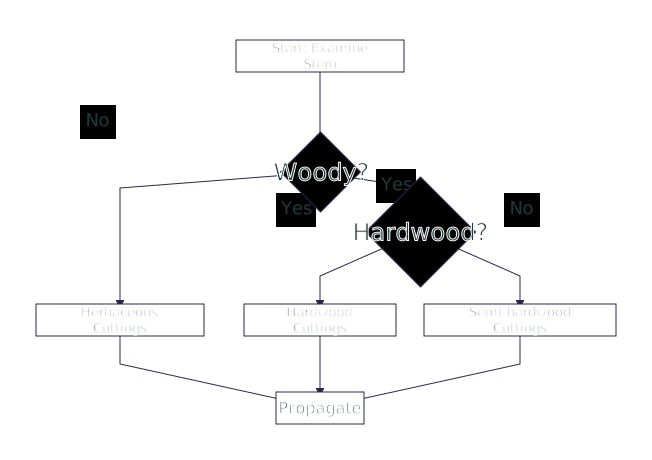
This diagnostic step is your key to choosing the right plant layering techniques. It’s a practical approach that saves time and increases your success rate dramatically. For a deeper dive into plant physiology, resources like the University of Minnesota Extension guide on layering offer excellent foundational knowledge.
Layering Methods for Flexible, Trailing Stems
For plants with long, bendable stems, nature has done half the work for you. The goal is to keep a portion of the growing stem in contact with moist soil until it roots. Here are the two most effective flexible stem layering methods.
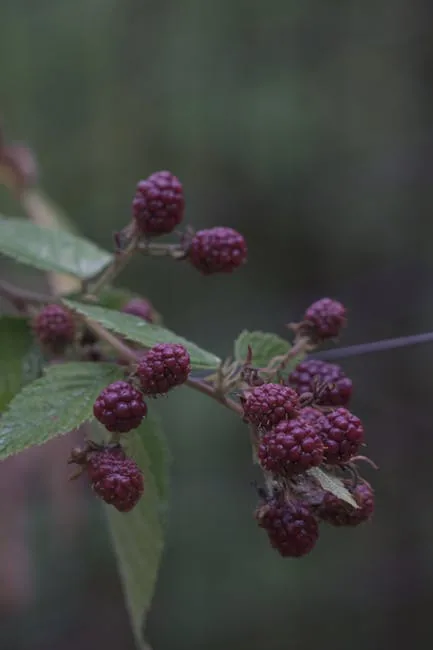
Photo by Dan on Pexels
1. Simple Layering
This is the go-to method for many shrubs and vines. In early spring or fall, select a healthy, low-growing stem.
- Bend the stem to the ground and identify the spot about 6-12 inches from the tip that will touch the soil.
- At that point, gently wound the underside of the stem by making a shallow cut or scraping off a thin layer of bark. This “wounding” encourages root formation.
- Dig a shallow trench (2-4 inches deep), lay the wounded section in it, and cover it with soil, leaving the tip exposed.
- Secure the buried section with a landscape staple or a bent wire. Keep the area moist.
- Roots typically form in one growing season. You can then sever the new plant from the parent.
Ideal for: Forsythia, honeysuckle, clematis, and many climbing roses.
2. Tip Layering
Some plants, like blackberries and raspberries, naturally root where their stem tips touch the ground. You can easily replicate this.
- In late summer, simply bend a growing tip down to the soil.
- Bury the very tip (about 2-4 inches) in a shallow hole and cover it with soil.
- The tip will naturally grow downward, and roots will form at the buried node. By the following spring, you’ll have a new, rooted plant ready to transplant.
Ideal for: Brambles (blackberries, raspberries), purple-flowering raspberry, and some vines.
Layering Methods for Stiff, Upright Stems
When you can’t bring the stem to the soil, you bring the soil to the stem. These shrub layering methods are perfect for woody ornamentals and trees where bending isn’t an option.
1. Air Layering
Air layering is a fantastic technique for propagating prized specimens right on the branch. It involves creating a rooted plant while it’s still attached to the parent.
- In spring, select a healthy branch about the thickness of a pencil. About 12 inches from the tip, remove a 1-inch ring of bark (girdling) or make an upward slit.
- Apply rooting hormone to the exposed area to stimulate root growth.
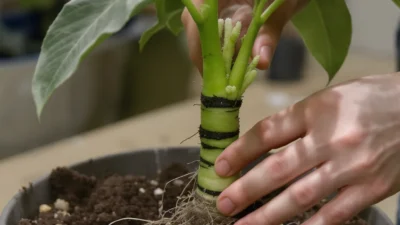
- Wrap the area with a handful of moist sphagnum moss, then cover it completely with clear plastic wrap. Secure both ends tightly with tape or twist ties to create a sealed, humid environment.
- Check periodically to ensure the moss stays moist. Roots will become visible through the plastic in a few months.
- Once a healthy root ball is visible, cut the branch off below the roots and pot it up.
Ideal for: Rhododendron, magnolia, fiddle-leaf fig, and many fruit trees like citrus.
2. Mound (Stool) Layering
This method is excellent for multi-stemmed shrubs that you’re willing to cut back hard. It encourages a flush of new, rootable stems from the base.
- In late winter, prune the parent plant down to a 1-2 inch stump.
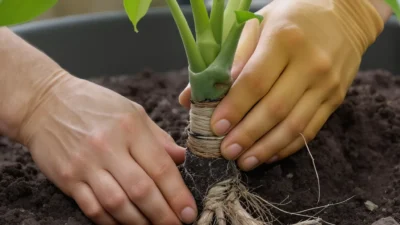
- In spring, new shoots will emerge from the base. When they are 6-8 inches tall, mound soil, compost, or sawdust around them, burying about half their height.
- As the shoots continue to grow, add more soil to the mound. Roots will form along the buried portions of the stems.
- In the following dormant season, remove the mound and cut the now-rooted stems from the parent plant.
Ideal for: Gooseberries, currants, spirea, and dwarfing rootstocks for fruit trees.
Choosing Your Technique: A Quick-Reference Guide
This table puts everything together for a final, at-a-glance decision. Remember, the core principle is to match the technique to your plant’s natural growth habit.
| Technique | Best For Stem Type | Ideal Plants | Time to Root | Key Tip |
|---|---|---|---|---|
| Simple Layering | Long, flexible | Forsythia, Honeysuckle | 1 season | Wound the stem before burying. |
| Tip Layering | Very flexible, tip-rooting | Blackberries, Raspberries | 1 season | Bury just the growing tip. |
| Air Layering | Stiff, upright | Magnolia, Rhododendron | 3-6 months | Use clear plastic to monitor root growth. |
| Mound Layering | Stiff, multi-stemmed shrubs | Gooseberries, Spirea | 1-2 seasons | Be prepared to cut the parent plant back hard. |
With this guide, you can confidently approach propagating shrubs by stem type and expand your garden with clones of your favorite plants.
Put Your Knowledge to Work
The most effective propagation starts not with action, but with observation. You now have a clear framework to diagnose your plants and select the perfect layering method. The real learning happens in the garden. So, take this guide outside, identify one plant with flexible stems and another with stiff stems, and apply the appropriate technique. Your reward will be new, free plants grown with your own hands.