Picture this: you’re standing in your garden, a seed packet in each hand. On your left, tomatoes, promising juicy summer harvests. On your right, carrots, the epitome of crunchy, homegrown sweetness. A simple question arises: do you tuck these seeds directly into the warm soil, or do you give them a head start in little pots on your windowsill? This is the classic gardener’s dilemma of direct sow vs start seeds indoors, and the right choice isn’t one-size-fits-all—it’s a strategic decision that balances control against convenience. Getting it right means stronger plants, earlier harvests, and fewer headaches, while getting it wrong can lead to stunted growth or wasted seeds. This guide cuts through the confusion, helping you match the method to the plant, your climate, and your gardening style, so you can spend less time guessing and more time growing.
The best way to decide between direct sowing and starting seeds indoors is to consider your climate, the specific plant’s needs, and your patience. Direct sowing is simpler and works best for plants that dislike root disturbance or grow quickly in warm soil. Starting seeds indoors gives you a longer growing season and more control, ideal for heat-loving crops in cool climates. Match the method to the plant’s characteristics for the best results.
The Core Trade-Off: Control vs. Convenience
At its heart, the choice between these two seed starting methods is a balance between two gardening superpowers: the control of a nursery manager and the convenience of nature’s own schedule. Understanding this fundamental trade-off is the first step to making the right seed sowing choices for your garden.
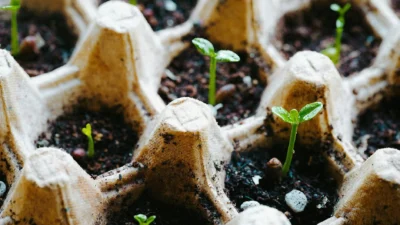
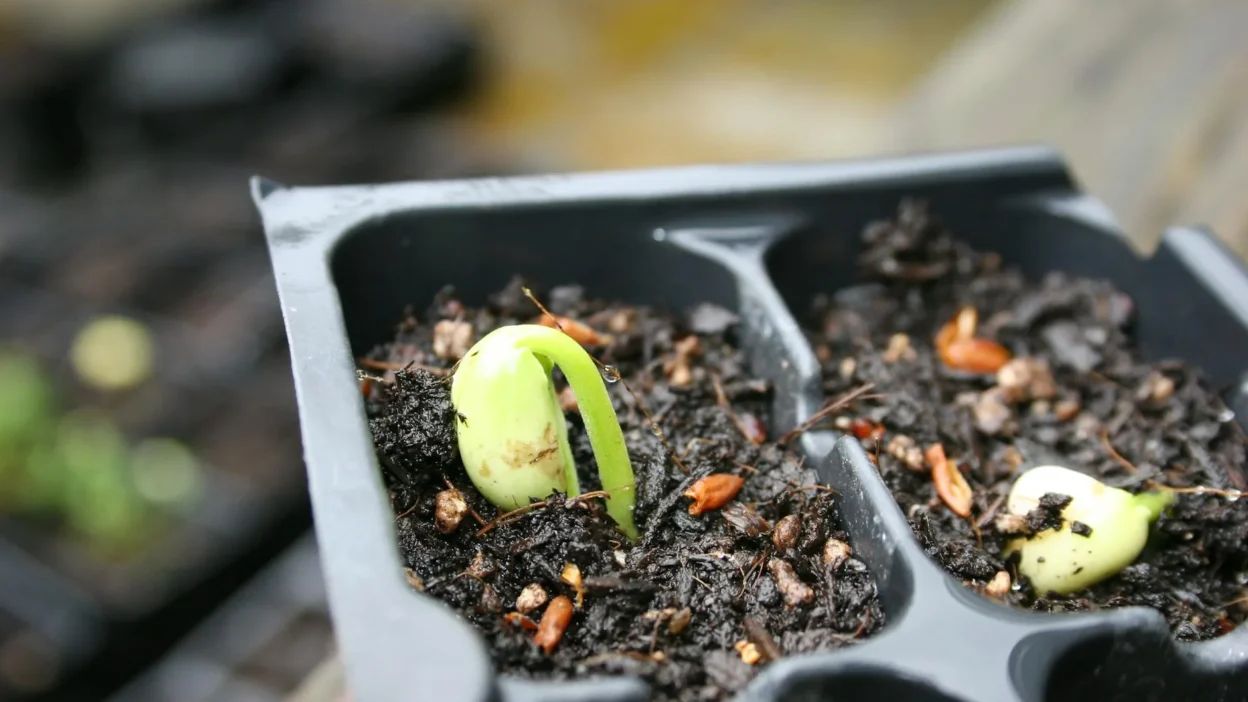
Starting seeds indoors is all about control. You get a significant head start on your growing season, which is crucial for heat-loving plants in cooler climates. You control the temperature, moisture, and light, leading to higher germination rates and protecting tiny seedlings from early-season pests like slugs and birds. The major downsides? It requires equipment (lights, trays, heat mats), dedicated space, and your time for watering and care. There’s also the risk of weak, “leggy” seedlings if light is insufficient, and the critical, non-negotiable step of hardening off—gradually acclimating tender seedlings to outdoor conditions—before transplanting.
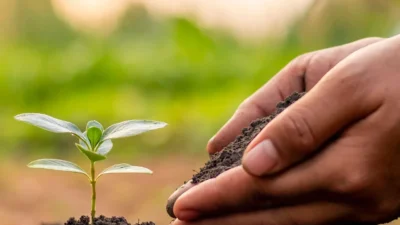
Direct sowing outdoors is the epitome of convenience. You plant seeds right where they are meant to grow, eliminating transplant shock and the work of hardening off. It’s simpler, cheaper, and requires no special equipment. The trade-off is a later start, leaving you more vulnerable to the whims of weather, pests, and unpredictable germination. Some plants with delicate roots simply thrive with this method, as they resent any disturbance.
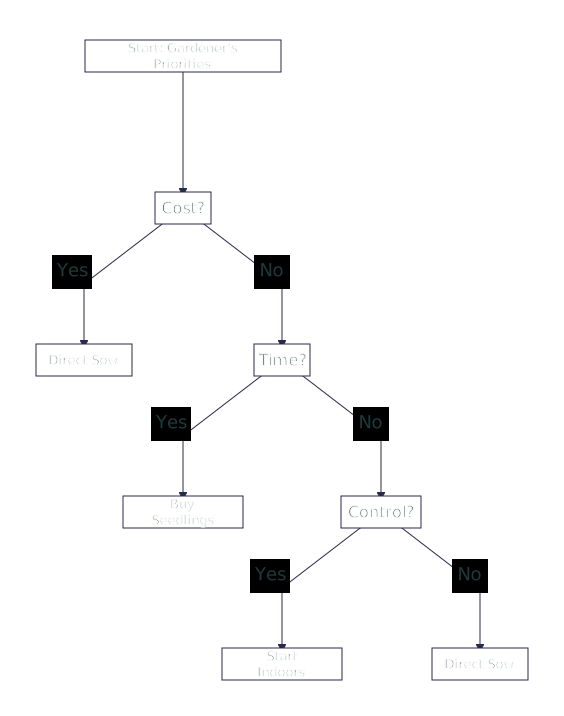
Your Personal Decision Points: Climate, Time, and Space
There’s no single “right” answer for every gardener. Your optimal method depends on your unique garden reality. Ask yourself these key questions to guide your decision between seed starting indoors vs outdoors.
What’s Your Growing Season Like?
This is the most critical factor. If you live in a region with a short summer, starting seeds indoors for crops like tomatoes and peppers is non-negotiable to get a harvest. In long, warm climates, you have the flexibility to direct sow many more things, and even succession-plant. Always know your average last spring frost date; a frost date calculator is an invaluable tool.
What Space and Gear Do You Have?
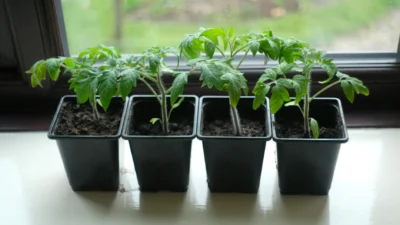
Indoor starting requires a dedicated space with sufficient light—a sunny south-facing window can work for a few plants, but grow lights are often needed for robust seedlings. Be honest about your setup. If you lack the space or desire to manage trays under lights, leaning into direct sowing for appropriate plants is a perfectly smart strategy.
How Much Patience and Time Can You Invest?
Indoor seed starting is a weeks-long project requiring daily attention. Direct sowing is more “set and forget,” though it needs vigilant watering until germination. Your available time for gardening chores should directly influence your seed starting methods.
Plant-by-Plant Guide: Which Method Wins?
While your personal context matters, plants themselves have strong preferences. Some are famously fussy about transplanting, while others need that indoor head start to perform. This quick-reference table breaks down the best approach for common garden varieties, helping you match the method to the plant’s characteristics.
| Plant Type | Recommended Method | Why This Method Works | Special Notes |
|---|---|---|---|
| Tomatoes, Peppers, Eggplant | Almost Always Start Indoors | Require a long, warm growing season. Starting indoors provides the necessary head start in most climates. | Need warm soil to germinate; use a heat mat if your home is cool. |
| Broccoli, Cauliflower, Cabbage | Usually Start Indoors | Cool-season crops that benefit from an early start for a spring harvest before summer heat. | Can also be direct sown in mid-summer for a fall harvest. |
| Carrots, Parsnips, Radishes | Almost Always Direct Sow | Have delicate taproots that are easily damaged during transplanting. | Sow seeds shallowly and keep soil consistently moist for germination. |
| Beans, Peas, Corn | Usually Direct Sow | Fast-growing and germinate best in warm garden soil. They often outpace transplants. | Wait until soil is warm. Succession plant beans for a continuous harvest. |
| Lettuce, Spinach, Kale | Flexible / Depends on Climate | Can be direct sown or started indoors for earliest harvest. Tolerate light frost. | Great for succession planting. Start indoors for the very first spring greens. |
| Cucumbers, Squash, Melons | Flexible / Depends on Climate | Grow quickly but are frost-tender. In short seasons, start indoors 2-3 weeks before last frost in biodegradable pots. | Dislike root disturbance. If starting indoors, transplant with extreme care or use pots that plant directly into soil. |
Making Your Choice Work: Pro Tips for Success
Once you’ve decided on your seed sowing choices, a few key practices will ensure your efforts pay off with healthy plants. Here’s how to succeed with either method.
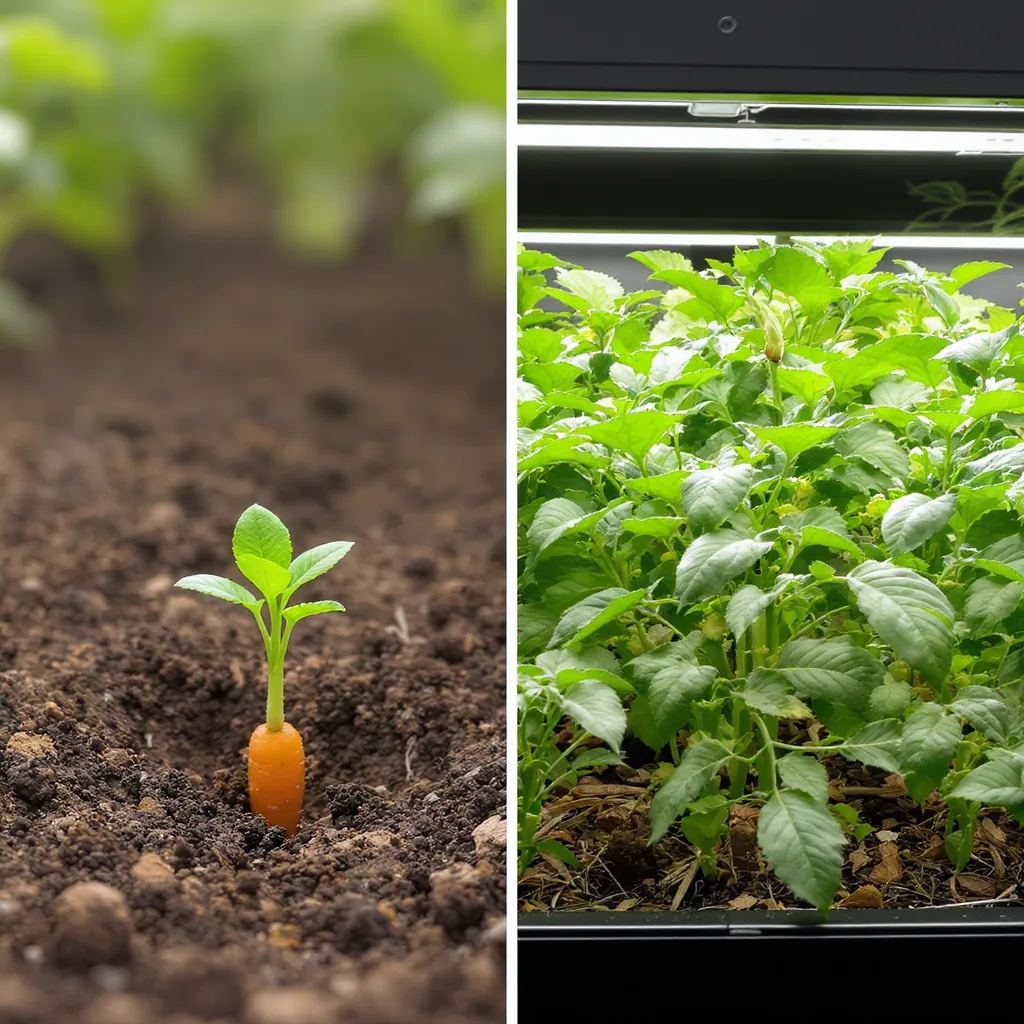
If You Direct Sow:
Success starts with soil prep. Ensure your seedbed is fine, loose, and free of large clumps. Follow seed packet depth instructions meticulously—a common mistake is sowing too deep. After germination, thin seedlings ruthlessly to the recommended spacing; crowded plants won’t thrive. Use row covers or lightweight netting to protect emerging seedlings from birds and insects.
If You Start Seeds Indoors:
Light is everything. Place seedlings within a few inches of a bright grow light for 14-16 hours a day to prevent legginess. Water from the bottom to encourage strong roots and prevent fungal disease. Most importantly, never skip hardening off. Spend 7-10 days gradually exposing seedlings to sun, wind, and cooler outdoor temperatures before transplanting them permanently into the garden.
Start Simple and Learn by Growing
Don’t let the decision between direct seeding vs indoor starting become a source of garden stress. Both methods are valid pathways to a thriving garden. The “best” choice is simply the one that aligns with your plants’ needs, your climate, and your own gardening style. Many gardeners, myself included, use a mix of both—starting a few treasured tomatoes indoors while happily scattering carrot and bean seeds directly into the warm soil. This season, make your choices, plant your seeds, and enjoy the fundamental magic of watching life sprout from a tiny packet. Every seed planted is a lesson learned and a step toward a more abundant garden.