Ask a room of plant propagators whether you should let leaf cuttings callus before planting or stick them in soil fresh, and you’ll likely start a friendly but firm debate. One camp swears that planting a fresh cutting leads to faster rooting, while the other insists that a callused start is the only way to prevent dreaded rot. This divide often leaves gardeners confused, searching for a single, definitive rule. But here’s the nuanced truth: the choice between fresh and callused leaf cuttings isn’t about right or wrong—it’s a strategic decision based on plant physiology and your specific growing conditions. Let’s move past the dogma and look at the science and practical outcomes to give you the clarity to choose the best method for your plants.
The best way to decide between fresh and callused leaf cuttings depends on the plant type and your environment. For succulents and plants prone to rot, letting a callus form over the wound is crucial to prevent moisture loss and infection. For many tropical plants with softer leaves, planting fresh cuttings in a moist medium can lead to faster root initiation. The key is managing moisture and understanding the plant’s natural defenses.
The Great Propagation Debate: What’s the Real Story?
In plant propagation forums and social media groups, you’ll find two passionate camps. Team Fresh advocates for planting leaf cuttings immediately, arguing it leads to faster root initiation. Team Callused insists on letting the cut end dry and form a protective layer first, claiming it’s the only way to prevent rot. The core myth driving this debate is the belief that one method is universally superior.
The real story is more nuanced. The best approach for leaf cuttings fresh vs callused isn’t a strict rule but a strategic choice based on plant biology and your environment. Understanding this turns a divisive debate into a simple toolkit. The decision hinges on a few key factors: the plant’s natural habitat (is it a succulent or a tropical vine?), your local humidity, and your own tolerance for risk. Let’s bust the myth and look at the science.
The Science of the Callus: More Than Just a Scab
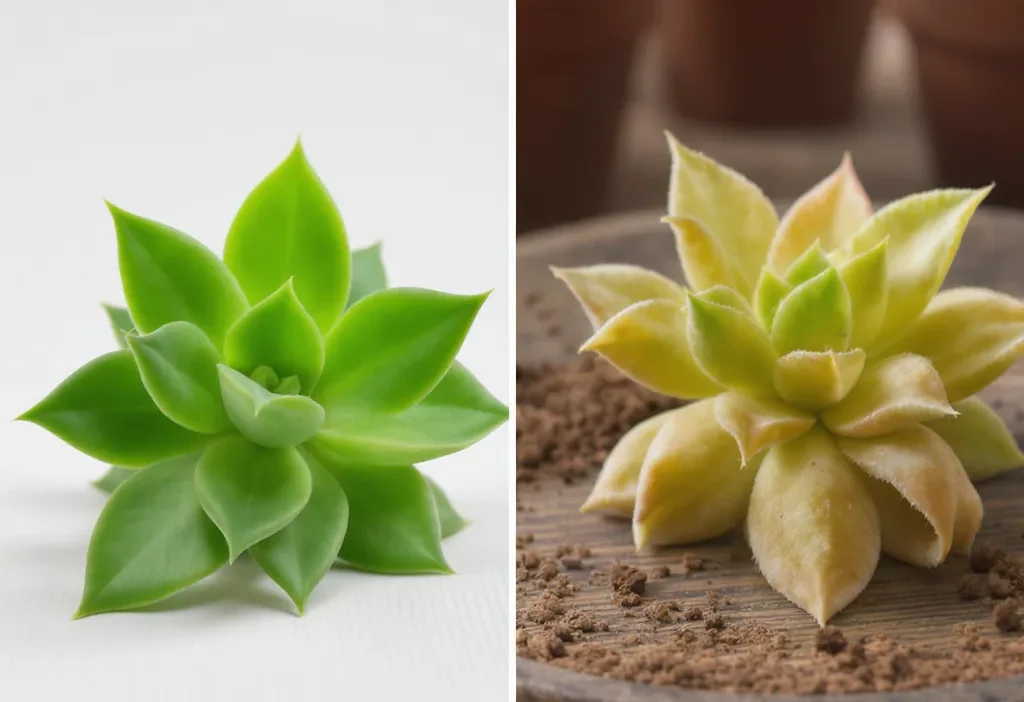
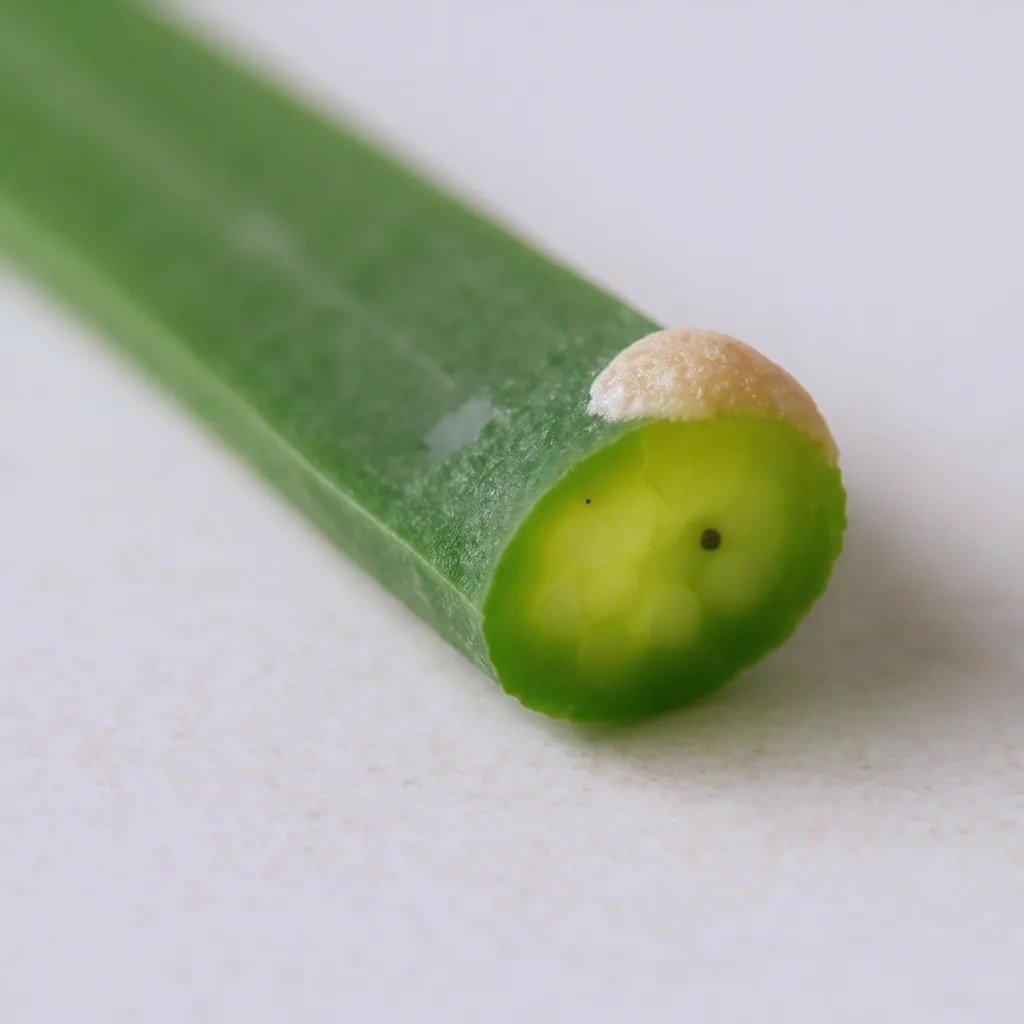
When you take a cutting, you create an open wound. A callus is the plant’s remarkable response—a layer of undifferentiated cells that forms over the cut surface. Think of it less as a scab and more as a living, biological band-aid. Its primary job isn’t to grow roots but to protect.
This cellular seal performs two critical functions. First, it drastically reduces water loss from the vulnerable cut end, which is a lifeline for moisture-storing plants like succulents. Second, it creates a physical and chemical barrier against soil-borne fungi and bacteria that cause rot. This is why the advice to callus before propagating is so prevalent for certain plant types. It’s a defensive adaptation, turning a wet wound into a dry, resilient one. The roots will eventually emerge from this callused tissue or from nodes nearby, but the callus itself is the guardian of that process.
Fresh Cuttings: The Case for Speed (With Caveats)
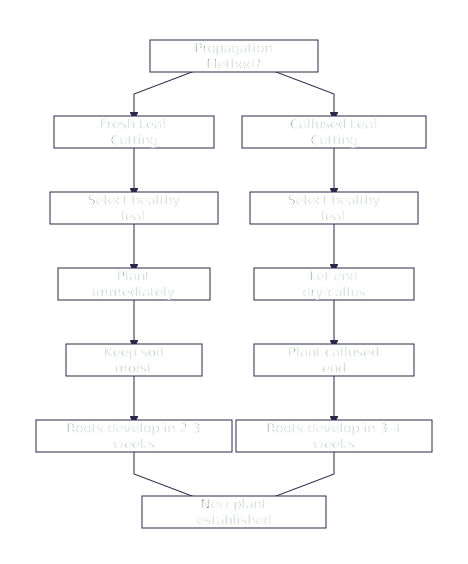
Planting a fresh leaf cutting has a compelling logic. An uncallused cutting can immediately absorb moisture from a damp propagation medium. This available hydration can stimulate cells at the cut site to start dividing and forming root primordia faster than a dried cutting sitting on a windowsill. For many common houseplants, this method can shave days or even weeks off the visible rooting timeline.
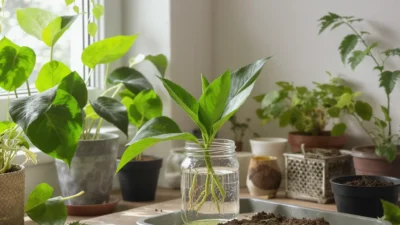
The ideal candidates for this speedy approach are typically tropical plants with softer stems and leaves that are adapted to consistent moisture. Think Pothos, Philodendron, Begonia rex, and most Peperomia. However, the trade-off is significant risk. That open wound is also a direct channel for pathogens. Success with fresh cuttings requires a sterile, well-draining medium kept consistently moist (not soggy) and often higher ambient humidity, like in a propagation box or under a plastic bag. It’s a high-reward, higher-maintenance technique.
Callused Starts: The Patience-Pays-Off Protocol
For a huge category of plants, callusing isn’t just an option—it’s a non-negotiable step for reliable success. This is the cornerstone of succulent leaf propagation tips. Plants like Echeveria, Sedum, Sansevieria (Snake Plant), and Zamioculcas (ZZ Plant) have evolved in arid environments. Their tissues are designed to retain water, and an open cut is a major liability.
Letting these callused leaf starts form over 1-3 days (or up to a week for thicker stems) completely changes the game. The cutting becomes a self-contained, drought-resistant unit. You can then place it on dry soil or even just a tray and forget about it for weeks until roots appear. While the initial rooting might seem slower, the survival rate in typical home environments—with their variable watering and humidity—is dramatically higher. It’s the ultimate “set it and forget it” propagation method, making it perfect for beginners.
Your Decision Matrix: Choosing Your Path
So, how do you choose? Instead of picking a team, run through this simple mental checklist based on your specific situation. It will guide you to the right technique every time.
1. Plant Type: Is it a succulent, cactus, or other dry-adapted plant (thick, fleshy leaves)? If yes, callus it. Is it a tropical plant with softer, thinner leaves? Fresh can work.
2. Your Environment: Do you have a humid greenhouse, a consistent propagation chamber, or live in a tropical climate? This supports the fresh method. Is your home dry, or do you tend to overwater? Lean heavily toward callusing.
3. Your Risk Tolerance: Are you willing to monitor moisture daily and intervene quickly if you see rot? Try fresh for tropicals. Do you prefer a hands-off, fail-safe approach? Always callus.
For beginners, the default recommendation is clear: when in doubt, let it callus. It’s the more forgiving path and applies to the most popular propagation subjects. These are guidelines, not laws. The best teacher is observation, so experiment with one leaf each way and see what works for you and your plants.
Beyond the Debate: Rooting with Confidence
The fresh versus callused dilemma isn’t about right and wrong. It’s a practical tool for managing the single biggest threat to your leaf cutting rooting success: excess moisture and rot. By understanding the why—the plant’s natural defenses and needs—you move from following rigid rules to making informed, confident choices.
Your next step is simple. Look at the leaf in your hand, assess your growing space, and choose the path that best manages risk for that specific plant. Whether you opt for the speedy fresh start or the patient callused approach, you’re now working with the plant’s biology, not against it. Happy propagating!