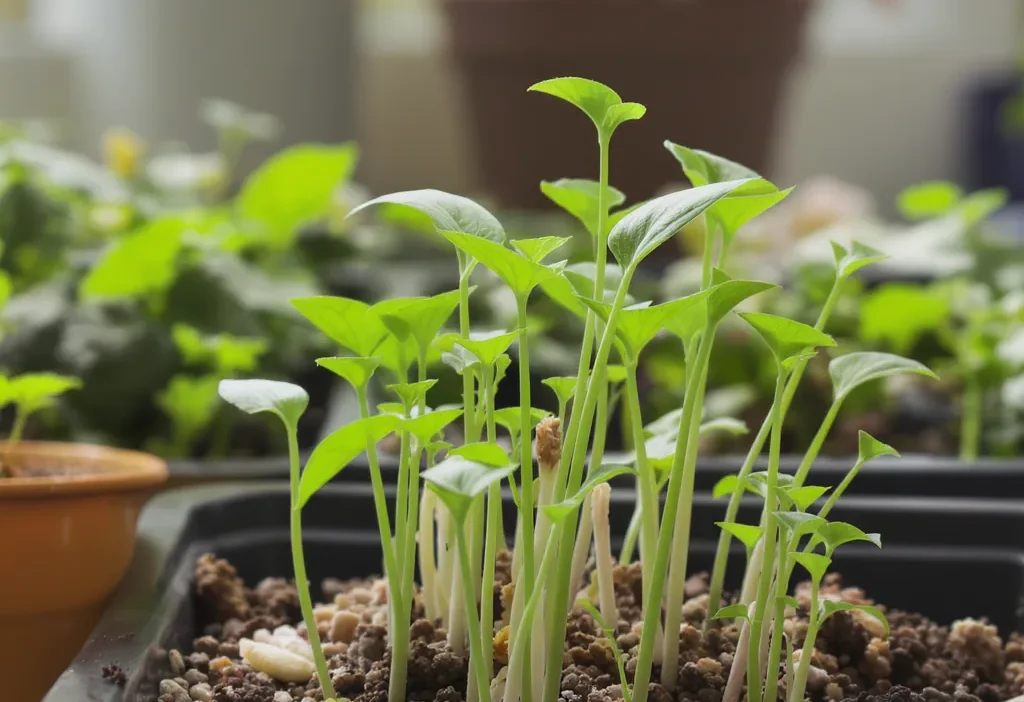
You’ve nurtured your seeds with hope, checking the tray each morning. Then, one day, you see it: those promising sprouts have transformed into tall, spindly, and weak seedlings, their stems flopping over like tired ballerinas. This moment of gardener’s dismay is a near-universal rite of passage. But here’s the reassuring truth—those leggy seedlings are not a sign of your failure, but a clear survival signal from the plant itself, a condition known as etiolation. This article will decode that signal, explaining exactly why seedlings stretch and become too tall and weak, and then provide the simplest, most effective steps for preventing leggy seedlings from the very start.
The best way to prevent leggy seedlings is to provide intense, close light immediately after germination, ensure adequate air circulation, and avoid overwatering and excessive heat. Leggy growth, or etiolation, is a plant’s survival response to insufficient light, causing weak stems as it stretches towards a light source. Correcting the environment early is key to growing strong, stocky transplants.
The Science of ‘Leggy’: Why Seedlings Stretch
When you see seedlings too tall and weak, you’re witnessing a fascinating, if frustrating, survival mechanism called etiolation. It’s not a random flaw; it’s a programmed response. Seedlings have light-sensing proteins called phytochromes. When these receptors detect low light levels—or light that’s the wrong color or too far away—they trigger a hormonal cascade.
The plant produces more of a hormone called auxin, which accelerates cell elongation in the stem. The seedling is essentially sacrificing stem strength and girth in a desperate race to grow taller, hoping to stretch above whatever is shading it and reach a better light source. This results in the characteristic spindly, pale growth we call “leggy.” Understanding this is the first step to preventing leggy seedlings, because it shifts the problem from “what’s wrong with my seeds?” to “what’s wrong with my environment?” For a deeper dive into the plant physiology, resources from university extension services, like this one from the University of Minnesota Extension, are excellent.
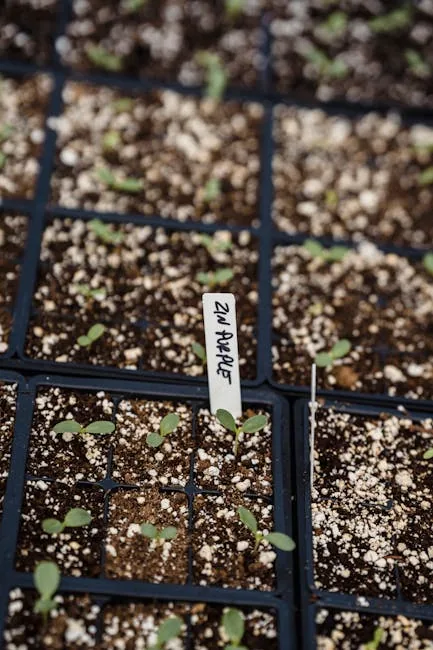
Photo by Greta Hoffman on Pexels
The Four Main Culprits (and How to Spot Them)
Now that we know the “why,” let’s pinpoint the specific environmental triggers. Leggy seedlings why and how to prevent it boils down to correcting one or more of these four common issues.
1. Insufficient Light (The #1 Cause)
This is the big one. A sunny windowsill is rarely enough, especially in early spring. The light is indirect, hours are short, and intensity is low. Your seedlings will immediately begin stretching for more.
2. Incorrect Light Distance
Even with a grow light, if it’s hung too high, the light intensity diminishes dramatically (following the inverse square law). Seedlings sense this drop and stretch. Conversely, lights placed too close can scorch leaves.
3. Excessive Heat
Warmth speeds germination, but once seeds sprout, consistently high temperatures (especially at night) can promote rapid, weak stem growth. The ideal is a drop of 5-10°F at night.
4. Overcrowding & Poor Airflow
Sowing seeds too densely forces seedlings to compete for light, causing them to stretch over each other. A lack of air movement also creates a humid, stagnant microclimate that encourages weak growth and disease.
Photo by Deon Black on Pexels
Your Prevention Toolkit: Simple, Actionable Fixes
Preventing leggy seedlings is easier than fixing them. Here’s your straightforward action plan, framed as dos and don’ts.
Light: Your Non-Negotiable Tool
DO: Use a dedicated grow light (LED or fluorescent) immediately after germination. Position it 2-4 inches above the seedlings and raise it as they grow. Provide 14-16 hours of light per day with a timer.
DON’T: Rely on a windowsill alone, especially a north-facing one. Don’t use standard incandescent bulbs—they produce more heat than usable light.
Temperature & Airflow
DO: Move seedlings off heat mats after germination. Aim for daytime temps of 65-75°F and slightly cooler at night. Use a small oscillating fan on low for a few hours a day to strengthen stems.
DON’T: Keep seedlings in a consistently hot location (like above a radiator). Don’t leave them in stagnant, still air.
Sowing & Watering Practices
DO: Sow seeds thinly. Thin seedlings early to prevent competition. Water from the bottom to encourage deep roots and avoid damping off.
DON’T: Overcrowd cells. Don’t overwater—let the surface dry slightly between waterings. Don’t leave humidity domes on after seeds sprout.
Common Mistakes That Keep Seedlings Leggy
Even with good intentions, a few persistent habits can undermine your prevention efforts. Watch out for these pitfalls:
Starting Too Early: The urge to get a jump on spring is strong, but low winter light guarantees stretch. Follow recommended seed-starting dates for your area.
Using Weak or Wrong Lights: A single, weak shop light hung a foot above a large tray won’t cut it. Intensity matters. Ensure your light setup is adequate for the area you’re trying to cover.
The “Dome Trap”: Humidity domes are for germination. The second you see green, remove the dome. Trapping seedlings in a humid, still environment is an invitation for weak stem growth and fungal disease.
Over-Fertilizing: Young seedlings have enough energy in the seed. A mild, diluted fertilizer can be used after the first true leaves appear, but too much too soon forces unnatural, soft growth.
The “Wait-and-See” Approach: Noticing a slight stretch? Act immediately. Adjust the light, turn on the fan, lower the temperature. A day or two of correction can make a world of difference, while waiting often means the problem is beyond easy fixing.
Grow Forward with Stronger Starts
Leggy seedlings are a nearly universal lesson in the seed-starting journey, not a mark of failure. By understanding the science—that stretching is a plant’s survival signal for more light—you can decode what your seedlings are telling you and respond effectively. The core of preventing leggy seedlings is straightforward: provide intense, close light from the start, manage temperature and airflow, and avoid common sowing mistakes.
Armed with these simple fixes, your next batch of seedlings can be the robust, stocky transplants you envision, ready to thrive in the garden. Consider this season’s spindly starts a valuable step toward becoming a more attentive and successful grower.