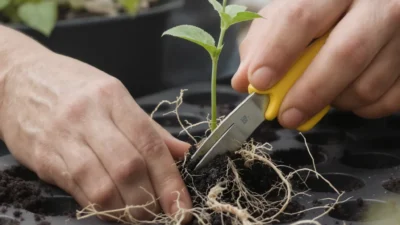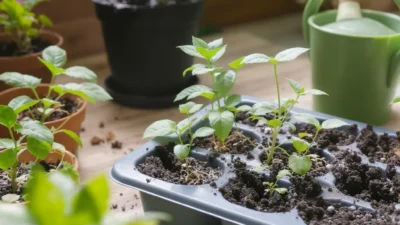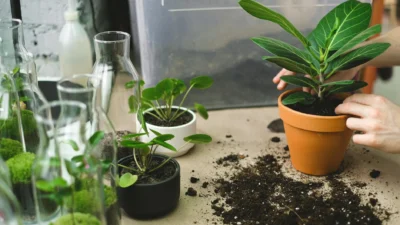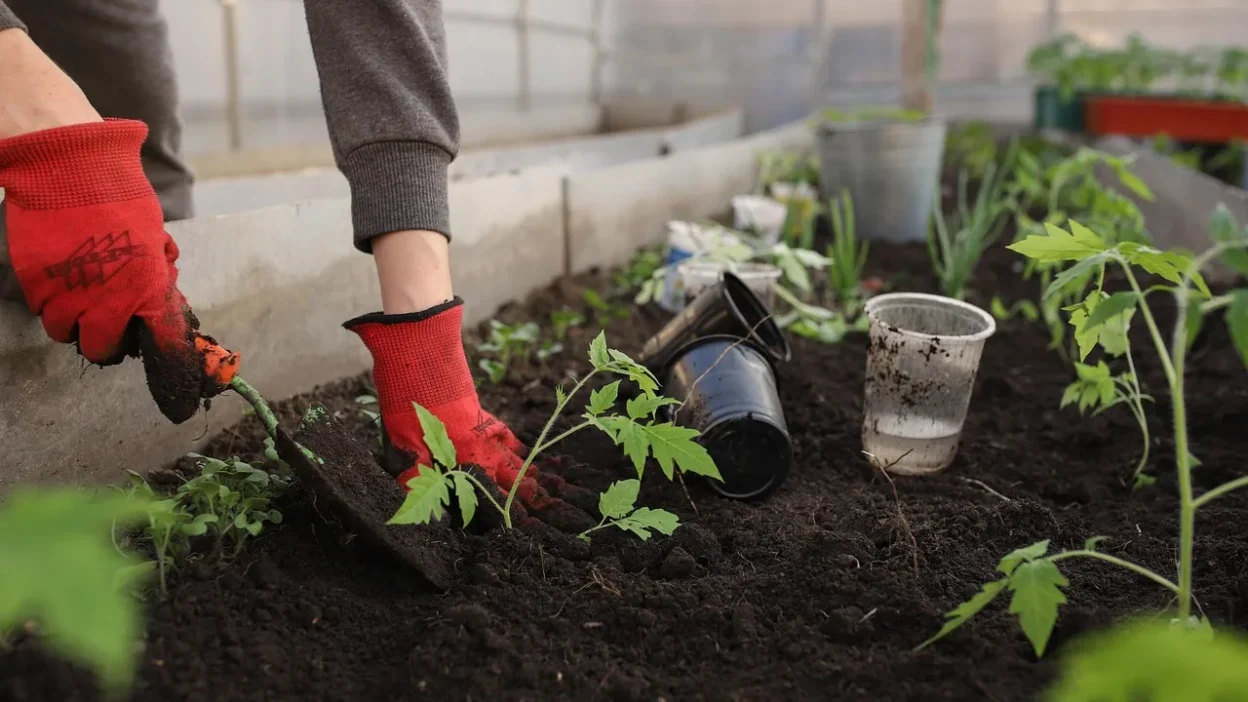
Think of the perfect plant propagation environment not as a pot on a windowsill, but as a dedicated nursery. It’s a controlled, nurturing space with a single purpose: to coax new roots and life from a vulnerable cutting. Too often, propagation fails not because of a “black thumb,” but because we treat these fledgling plants like established ones, missing the critical interplay of environmental factors. This guide shifts the perspective from passive container to active system, framing your setup as the key variable between a wilted stem and a thriving new plant. By understanding the science of what a cutting actually needs—a delicate balance of support and gentle stress—you move from hopeful guessing to confident creation.
Successful propagation hinges on creating a balanced environment that reduces water loss and stress on cuttings. The four critical, interconnected factors are high humidity, bright indirect light, consistent warmth, and a well-aerated rooting medium. Mastery lies not in maximizing any single element, but in orchestrating all four to work in harmony, minimizing the cutting’s struggle so it can focus its energy on building a new root system.
The Science of Rooting: Why Environment is Everything
To master your plant propagation environment guide, you first need to understand what a cutting actually is: a stem in emergency mode. It has leaves that want to photosynthesize but no roots to draw up water. This creates two competing, urgent priorities. First, it must prevent desiccation—water loss through its leaves is a direct threat to survival. Second, it must marshal its limited stored energy to form a callus and then initiate new root cells. your plant propagation environment guide
The propagation environment you create directly manages this tension. It’s a balance between applying gentle stress to trigger rooting and providing unwavering support to prevent death. Every factor—humidity, light, warmth, medium—either adds to the cutting’s stress load or helps alleviate it. Success isn’t about maximizing any single element, but about orchestrating all rooting environment factors to keep the cutting in that productive, life-creating zone. Get this balance wrong, and the cutting exhausts itself; get it right, and you’ve engineered the conditions for new life.
The Humidity Dome Effect: Managing the Invisible Water
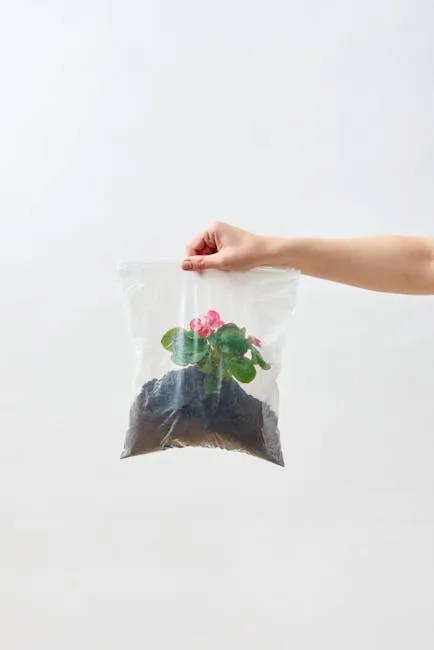
Photo by DS stories on Pexels
Atmospheric humidity is your first and most powerful tool against desiccation. Think of the air around your cuttings as having a “thirst.” When the air is dry, it pulls moisture from the leaves rapidly, like a sponge. High humidity saturates that sponge, drastically slowing water loss and giving the cutting the stable conditions it needs to focus on rooting. This relationship is often described by horticulturists as Vapor Pressure Deficit (VPD), but for our purposes, simply know that your goal is to keep the air moist.
Tools and Tactics for Humidity Control
A clear plastic dome or cover is the classic solution, creating a miniature greenhouse. For smaller projects, a repurposed clear plastic container or even a zip-top bag over a pot works perfectly. The key is to manage, not eliminate, air exchange. You want to see light condensation on the inside, but the environment shouldn’t feel stagnant or smell musty.
- Do monitor condensation as a visual cue for humidity levels.
- Don’t seal containers airtight; a slight gap or occasional venting prevents fungal issues.
- Do consider a hygrometer (a humidity meter) for precision, especially in drier climates.
- Don’t rely on misting alone; it provides only fleeting humidity and can wet leaves excessively.
Getting your propagation humidity and light strategy right starts here. High humidity reduces the cutting’s water stress, which in turn influences how much light it can safely tolerate—a perfect segue to our next critical factor.
Light & Warmth: The Energy and Activation Duo
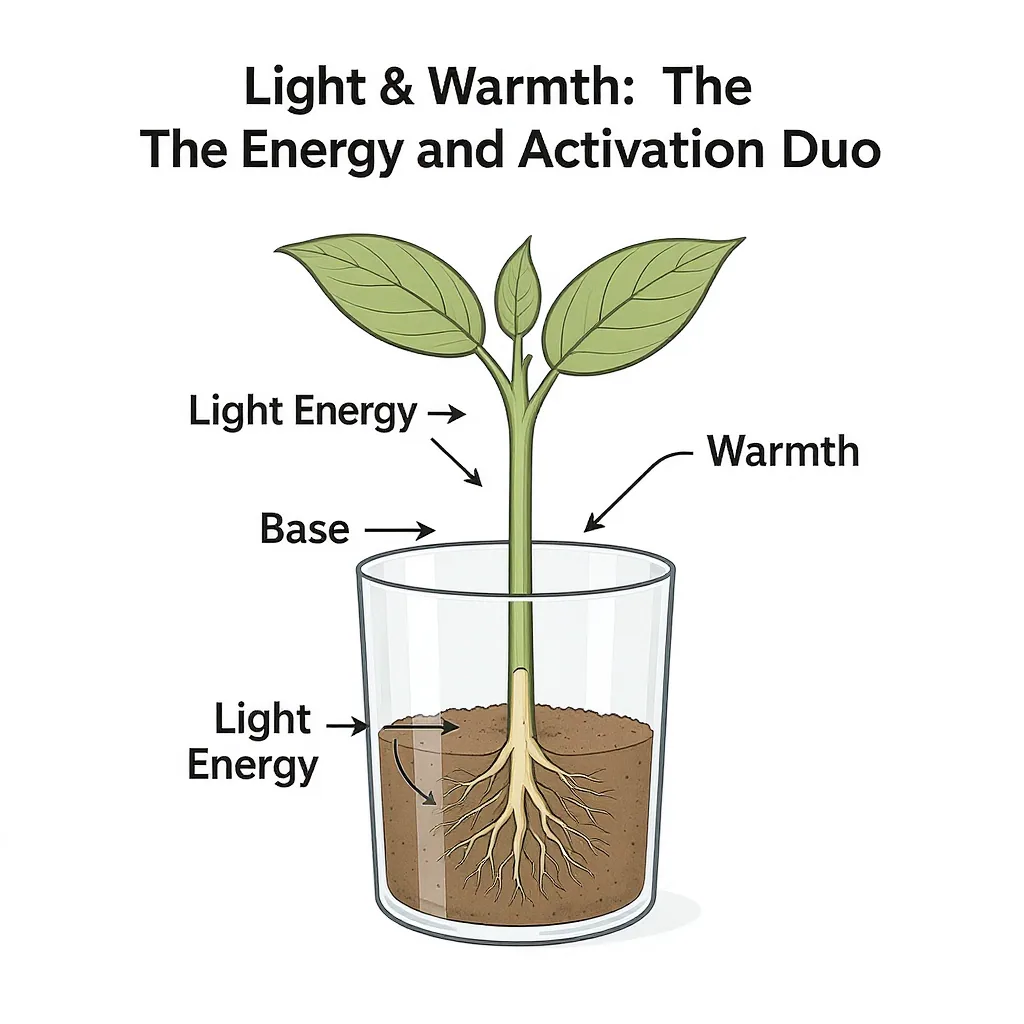
While often discussed together, light and warmth serve distinct, non-negotiable roles. Confusing them is a common source of failure.
The Role of Light: Fuel, Not Fire
Light provides the energy for photosynthesis. Even without roots, a cutting’s leaves can produce sugars to sustain itself, but only if the light is sufficient and gentle. The ideal is bright, indirect light. Direct sun, especially through a dome, acts like an oven—it rapidly increases temperature and accelerates water loss, cooking your cuttings. Too little light, and the cutting consumes its stored energy in the dark, becoming weak and spindly before it can root. A north-facing window or a spot under grow lights often provides these optimal propagation conditions.
Here’s a typical scenario: a gardener places their new cuttings on a sunny windowsill, thinking more light is always better. Within a day, the leaves are scorched or the cuttings have wilted dramatically, not from lack of water in the medium, but from the intense heat and light stress under the dome. They’ve provided fuel but also lit a fire.
The Role of Warmth: The Metabolic Catalyst
Warmth is about speed. Root cell division and development are biochemical processes that accelerate with warmth. The sweet spot for most common houseplants and garden varieties is a consistent 70-75°F (21-24°C). Importantly, warmth at the root zone is often more critical than ambient air temperature. This is why heating mats are so effective—they provide bottom heat that directly stimulates root growth where it matters.
Remember, these factors interact. High light increases ambient heat under a dome. Bottom heat warms the medium but not the leaves. Your job is to dissect these elements in your setup, ensuring the cutting gets gentle energy from above and encouraging warmth from below for the best light requirements for rooting.
Your Rooting Medium: More Than Just Dirt
The rooting medium is the cutting’s anchor and its water source. It’s the third critical interface in your plant propagation environment guide. Its job is threefold: hold moisture, allow oxygen to reach the developing root cells, and provide physical stability. The wrong medium can sabotage perfect humidity and light.
Matching Medium to Plant and Method
Scenario: You’re propagating succulents or cacti. These plants are adapted to dry conditions and are highly prone to rot. Your medium must be extremely fast-draining and airy. A mix of 50% perlite and 50% potting soil, or even pure perlite/pumice, is ideal. You’ll need far less ambient humidity, as the cutting itself stores water.
Scenario: You’re propagating tropical vines like Pothos or Philodendron. These plants root readily and prefer consistent, moderate moisture. A light, peat or coir-based seed starting mix, or a blend with added vermiculite for moisture retention, works well. This medium partners with a humidity dome to maintain stable rooting conditions for cuttings.
Water propagation is a special case—it’s a medium of pure water. It allows you to see roots form, but it provides no oxygen to the root zone. Success depends on changing the water frequently and understanding that roots grown in water are different (more fragile) than those grown in a solid medium, requiring a careful transition later.
Common Propagation Environment Pitfalls and How to Avoid Them
Even with the best intentions, small environmental missteps can lead to failure. Recognizing these common traps helps you diagnose problems quickly.
Pitfall 1: The Soggy Dome Syndrome
Why it happens: Overzealous watering combined with a sealed, stagnant humidity dome creates a swamp. The medium stays waterlogged, driving out oxygen and inviting fungal pathogens like damping-off to attack the stem.
The fix: Water the medium thoroughly before inserting cuttings, then leave it. Lift the dome daily for 10-15 minutes to allow fresh air exchange. Ensure your medium is well-aerated.
Pitfall 2: The Sunny Windowsill Trap
Why it happens: The assumption that “plants need sun” leads to placing the propagation setup in direct sunlight. The dome magnifies heat, essentially slow-cooking the cuttings from a combination of thermal stress and rapid dehydration.
The fix: Move your setup to a location with strong, indirect light. Use a thermometer to check the temperature inside the dome on a sunny day; if it’s above 80°F (27°C), it’s too hot.
Pitfall 3: The “Forgotten-in-the-Dark” Scenario
Why it happens: The opposite extreme: tucking the propagation tray out of sight in a dark corner or cupboard. Without light, the cutting exhausts its energy reserves and becomes etiolated (long, weak, and pale) before it can root.
The fix: Even if using a dome, your cuttings need a bright location. If natural light is low, a simple LED grow light placed a foot above the dome for 12-16 hours a day provides the necessary energy.
Your Quick-Start Environment Checklist
- Pre-moisten your chosen, well-draining medium before planting cuttings.
- Set up under a bright, indirect light source—no direct sun.
- Cover with a dome or bag, but don’t seal it shut.
- Place in a warm spot (70-75°F); consider a heat mat for bottom warmth.
- Lift the cover for air exchange for 15 minutes daily.
- Resist the urge to tug on cuttings to check for roots; look for new leaf growth instead.
Engineer Your Success
Propagation isn’t a mysterious art; it’s a form of practical environmental engineering. You are building a temporary, life-support system tailored to a plant’s most vulnerable state. By understanding the distinct roles of humidity, light, warmth, and medium—and, crucially, how they interact—you move from hopeful guesswork to confident creation.
The decisive next step is to audit your current setup against these four pillars. Is your dome sealed tight or properly vented? Is your light source bright but gentle? Is the root zone warm enough? Does your medium hold moisture without suffocating the stem? Identify the single factor most out of balance in your system and adjust it. Then observe. This cycle of informed adjustment is how you turn knowledge into a consistently high success rate and a thriving plant collection.
Creating a successful propagation environment hinges on balancing four interconnected factors to support cuttings while they develop roots. High humidity (via domes or covers) is essential to minimize water loss and prevent desiccation. Bright, indirect light provides the energy for photosynthesis without causing heat stress. Consistent warmth, especially at the root zone, accelerates metabolic processes and root cell division. Finally, a well-aerated rooting medium holds moisture while allowing oxygen to reach the stem, partnering with your humidity strategy. Mastery comes from viewing these not as separate checkboxes, but as a single, tuned system for nurturing new growth.