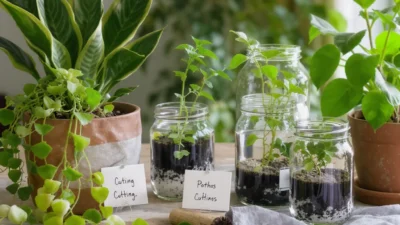
If you’ve ever lost a prized iris or watched a promising ginger division turn to mush, you might think rhizome propagation is a game of chance. The most common mistake isn’t making a bad cut—it’s treating every fleshy, underground stem the same. Successful propagation hinges on recognizing that a thick, storage-packed ginger rhizome and a wiry, creeping bamboo runner demand completely different handling. This guide cuts through the one-size-fits-all advice to give you clear, tailored rhizome propagation tips. We’ll focus on what actually works (and what definitely doesn’t) to ensure your dividing rhizomes for propagation yields vigorous, healthy plants every time.
For healthy rhizome sections, focus on the growth points (eyes/nodes), use a sterile, sharp tool for clean cuts, and immediately pot sections in a well-draining mix. The biggest tip is to match your aftercare—moisture and light—to the specific plant’s needs, not a generic rule. Success depends on three key factors: identifying your rhizome type, cutting at a viable node, and providing the correct post-division environment to prevent rot or desiccation.
Rhizome 101: Not All Underground Runners Are the Same
Let’s clear up the biggest myth first: a rhizome is not a root. It’s a modified, horizontal stem that grows underground or at the soil surface. Its job is to store food and send up new shoots. This is a crucial distinction because stems have nodes (or “eyes”)—the growth points from which new plants emerge. Treating every rhizome the same is a common pitfall. For successful dividing rhizomes for propagation, you need to recognize the two main types.
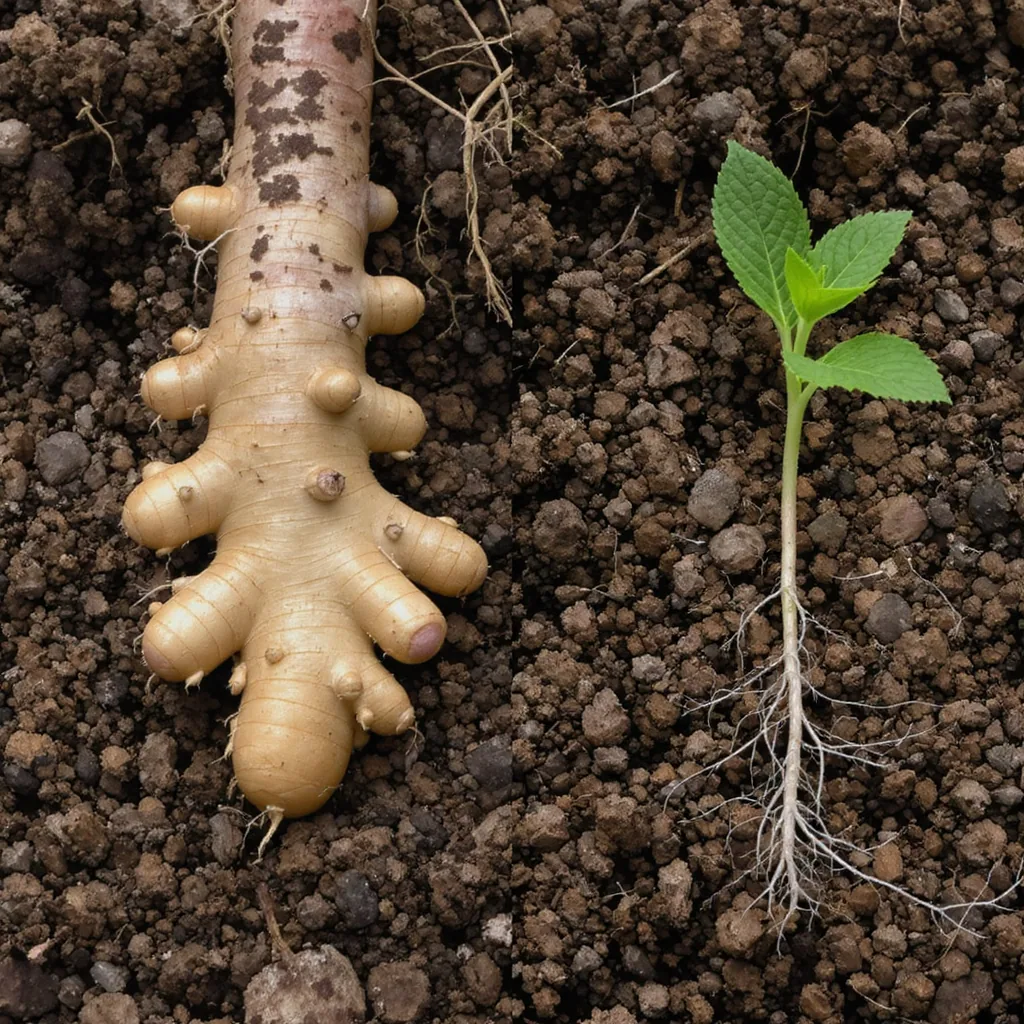
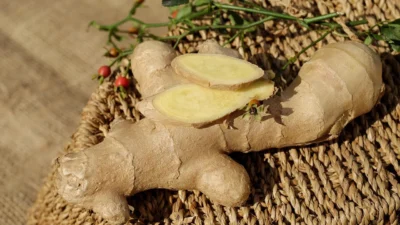
Thick, Fleshy Rhizomes: Think of ginger, iris, or canna lily. These are chunky, segmented, and store a lot of energy and water. They grow more slowly and tend to be clump-forming. Propagation involves cutting or breaking these substantial pieces apart.
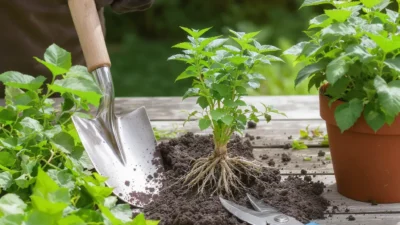
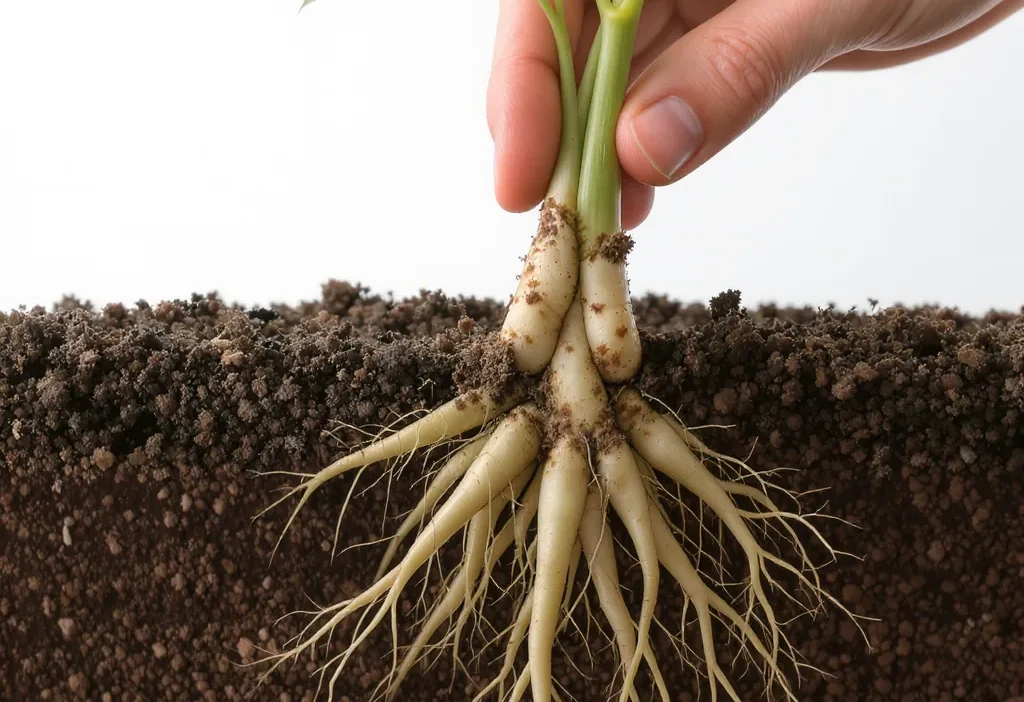
Thin, Spreading Rhizomes: Think of mint, bamboo, or some ferns. These are wiry, fast-creeping stems that can spread aggressively. They have nodes close together and often develop roots all along their length. Propagating plants from rhizomes of this type usually means cutting a length of runner with a few nodes.
Knowing which type you’re working with dictates every step that follows, from how you make the cut to how you care for the new section.
The Right Cut: What Actually Makes a ‘Healthy Section’
Whether you’re dividing a massive iris clump or snipping a piece of mint runner, the definition of a viable section is the same: it must contain at least one growth node and a portion of the rhizome body to support it. The node is everything. It’s that slightly swollen bump, often with a dormant bud or the remnant of a previous leaf stem.
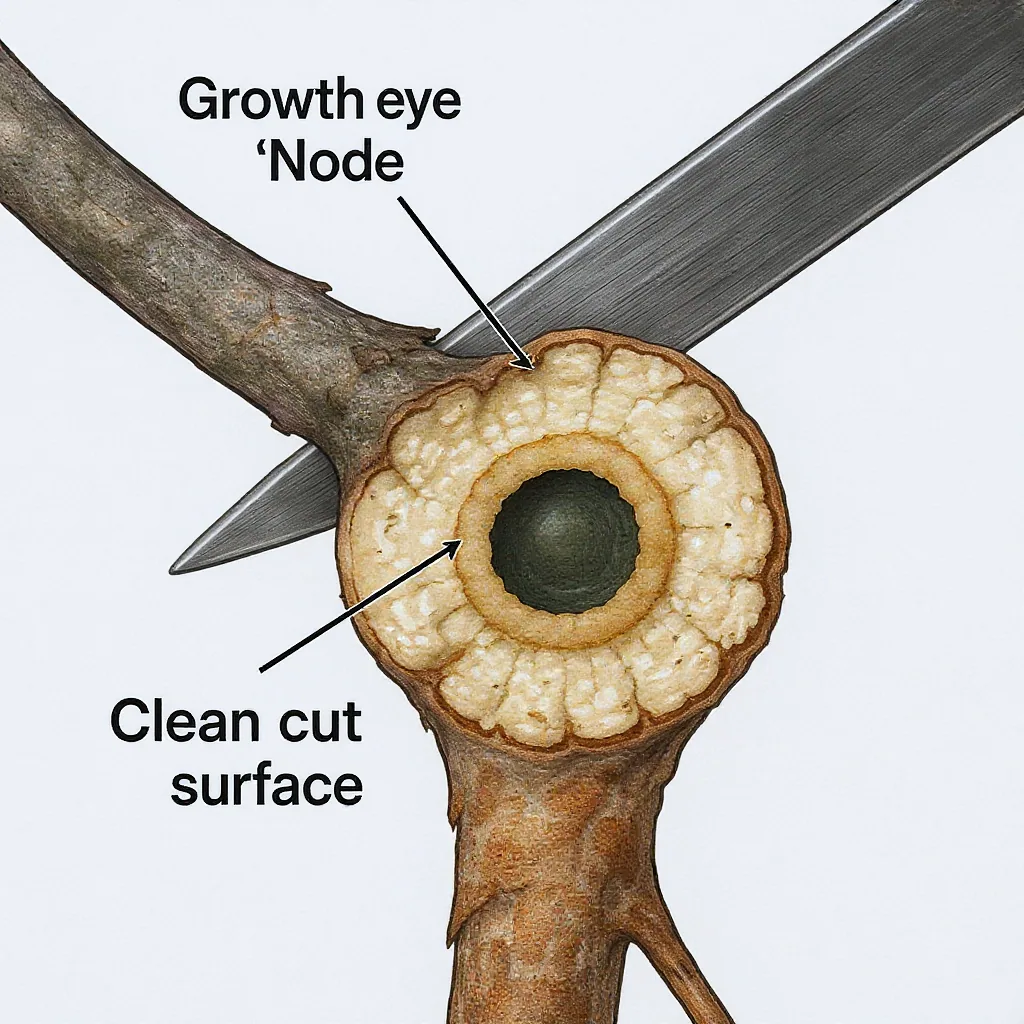
Here’s the protocol for creating healthy sections:
- Identify the Nodes: Brush off loose soil. Look for the eyes (on irises, they look like little points along the top ridge). On thin rhizomes, nodes are the points where leaves or roots emerge.
- Use a Sterile, Sharp Tool: A clean, sharp knife or pruning shears is non-negotiable. A dull tool crushes tissue, inviting rot. Sterilize with isopropyl alcohol or a 10% bleach solution. For some plants like daylilies, you can simply pull sections apart by hand where they naturally want to separate.
- Make the Cut: Cut the rhizome into sections, ensuring each has 1-3 healthy nodes. Make a clean, straight cut. There’s no need to angle it. If the parent rhizome shows any soft, brown, or mushy spots (rot), cut well back into healthy, firm tissue.
- Treat the Wound (Optional): For thick, fleshy rhizomes that are prone to rot (like ginger), letting the cut surface callus over for a few hours in a dry, airy spot can be beneficial. For thin, moist rhizomes, plant immediately.
What Works: Tailored Techniques for Success
Now, let’s match the technique to the type. This is where generic advice fails and tailored care succeeds.
For Thick, Fleshy Rhizomes (Iris, Ginger, Canna Lily)
- Do let cuts callus. After dividing, allow the cut surfaces to dry and form a slight seal for a few hours to a day in a shaded, dry place. This helps prevent soil-borne pathogens from entering.
- Do plant shallowly. These rhizomes often need to be near the surface. An iris rhizome, for example, should have its top slightly exposed to the sun. Burying it too deep is a classic mistake.
- Do water cautiously. Water the soil well after planting, but then wait until the top inch of soil is dry before watering again. Their stored water means they are susceptible to rot in soggy conditions.
For Thin, Spreading Rhizomes (Mint, Bamboo, Lily of the Valley)
- Do plant immediately. These rhizomes dry out quickly. Have your pot and soil ready before you cut, and get the section into moist soil right away.
- Do keep consistently moist. Unlike their fleshy cousins, these runners need steady moisture to encourage new root and shoot growth from the nodes. Don’t let the soil dry out completely during establishment.
- Do consider containment. When rhizome section planting for aggressive spreaders, planting in a bottomless pot sunk into the garden bed can help control their enthusiastic growth.
A quick but important note: The best practices for rhizome propagation start with a healthy parent plant. Dividing a stressed or diseased plant often just propagates the problem.
What Doesn’t Work: The Quick-Kill Mistakes to Avoid
Understanding what to avoid is just as important as knowing what to do. Steer clear of these common rhizome propagation mistakes.
Using Dull or Dirty Tools
Crushed, ragged cuts heal slowly and are wide-open doors for bacteria and fungi. Always start with a sharp, sterilized blade. It’s one of the simplest yet most effective rhizome division techniques for success.
Planting Sections Upside Down
It sounds obvious, but it happens. The growth nodes must be oriented upward or horizontally, not buried facing down. If you’re unsure, plant the section on its side—the plant will figure out gravity.
Overwatering Thick Rhizomes
Treating a drought-tolerant iris rhizome like a thirsty seedling is a fast track to rot. Remember, it’s a storage organ. Err on the side of underwatering during initial establishment.
Letting Thin Rhizomes Dry Out
Conversely, that piece of mint rhizome has minimal water reserves. Letting it sit out on a bench for a day or planting it in bone-dry soil will likely kill it. Speed and consistent moisture are key.
Dividing a Weak Plant
Propagation is stressful. If the parent plant is struggling, lacks vigor, or shows signs of disease, focus on rehabilitating it first. Dividing it will only create two or more weak plants. For rhizome cutting success, always choose the healthiest stock you have.
Propagation is a Skill, Not Luck
Successful rhizome propagation isn’t about having a green thumb—it’s about careful observation and matching your technique to the plant’s natural blueprint. By identifying your rhizome type, making clean cuts at the nodes, and providing the right aftercare (moist for runners, cautious for storers), you turn what seems like a mystery into a reliable process.
Start with a resilient plant like bearded iris or grocery-store ginger to build your confidence. Each time you divide, you’re not just making more plants; you’re learning to read the subtle language of growth. With these tailored approaches, your dividing rhizomes for propagation will lead to healthy, thriving new plants season after season.