Think of a plant’s root ball not as a clump of dirt, but as a living, interconnected city. The thick, anchoring roots are the main highways, the fine, hair-like roots are the intricate side streets delivering water and nutrients, and the crown is the bustling downtown where all growth originates. When you attempt to divide a plant by simply pulling or hacking this network apart, you’re not just moving a plant—you’re causing a city-wide systems failure. This root ball damage when dividing plants is a common but preventable gardener’s dilemma. It typically stems from a fundamental misunderstanding of root biology, leading to the very plant division mistakes that cause transplant shock, stunted growth, or plant loss. The good news is that with a shift in perspective and technique, you can learn the art of dividing plants without damage, transforming a stressful ordeal for both you and the plant into a gentle, successful act of propagation.
Root ball damage during division happens primarily from tearing fibrous roots and crushing the central crown, often due to using the wrong tools or excessive force. The safest fix is to use a sharp, sterilized knife or spade to make clean cuts through congested roots, and to water the plant thoroughly before and after the process to reduce stress. This approach of proper hydration and precise cutting minimizes root trauma and encourages a quick recovery.
The Science of a Healthy Root Ball: It’s Not Just Dirt
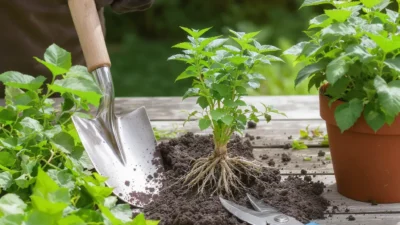
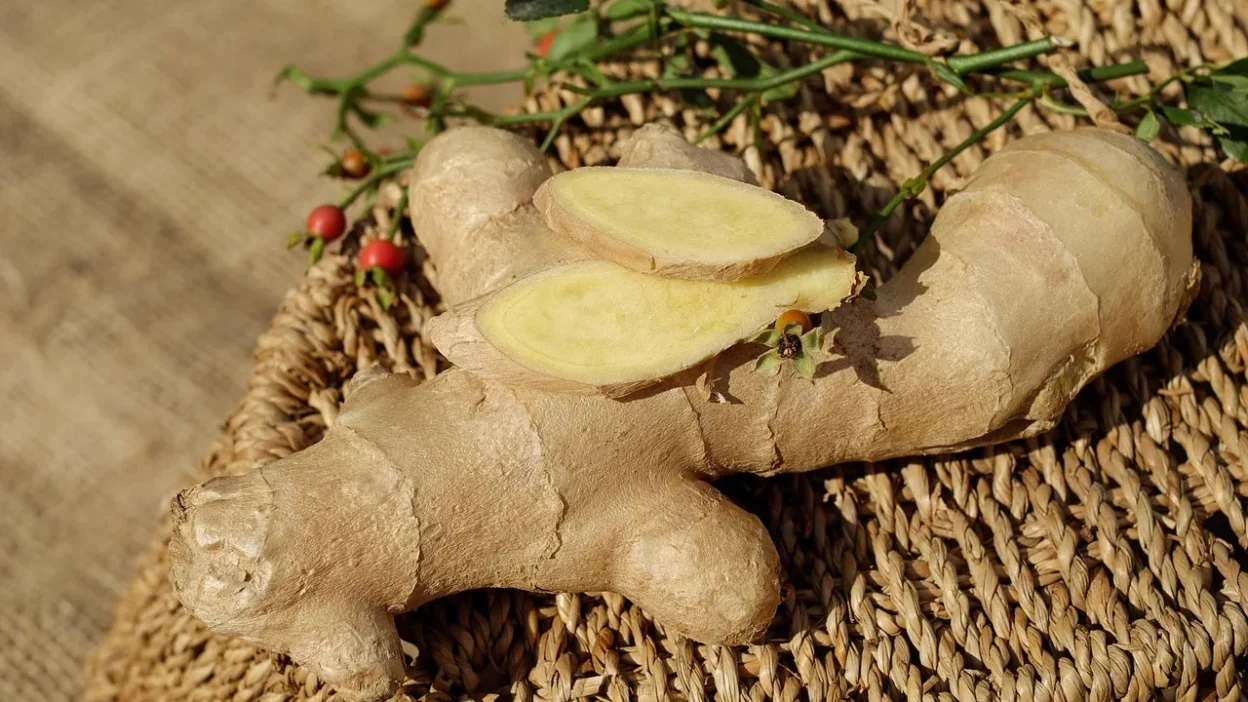
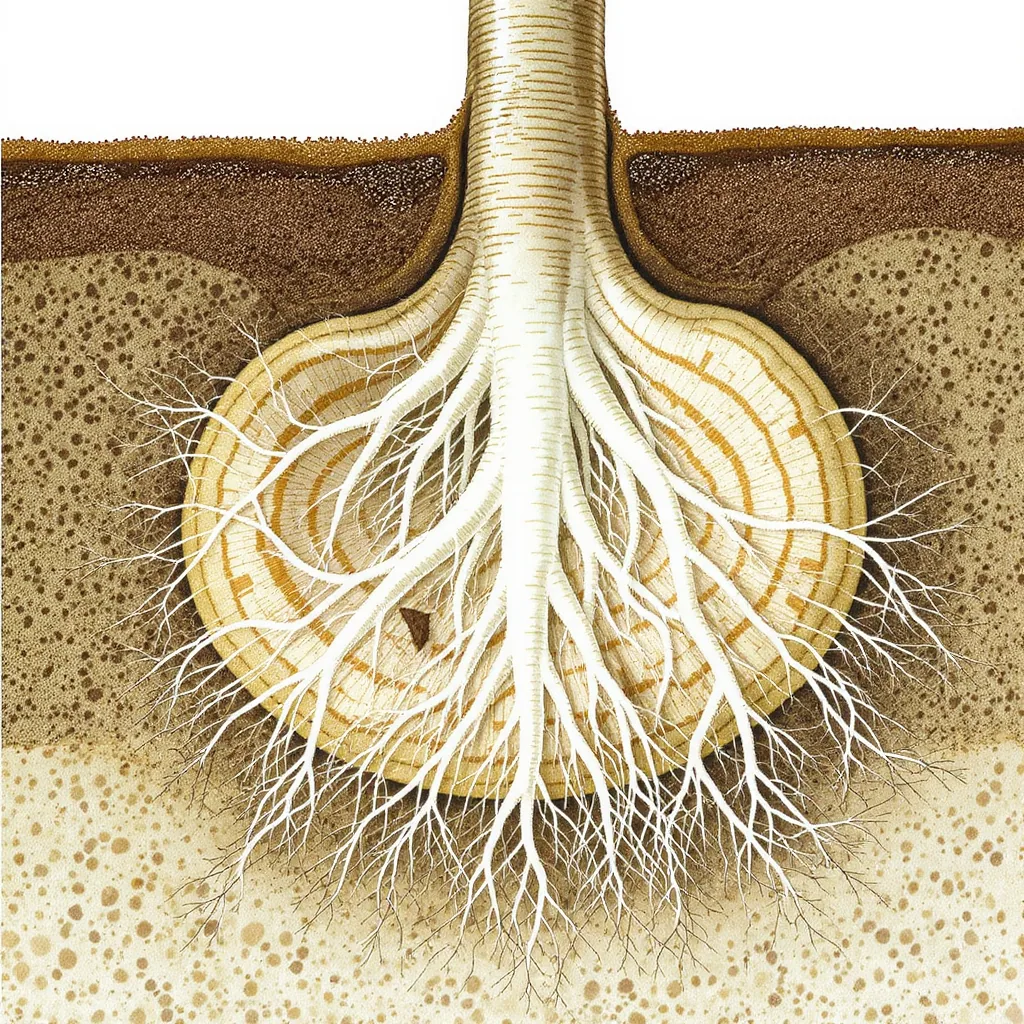
To understand how to prevent damage, you first need to know what you’re working with. A root ball is a living, interconnected system, not just a clump of dirt. At its center is the crown—the plant’s command center where stems meet roots. From this crown radiate the fibrous roots, the workhorses responsible for absorbing water and nutrients. These finer roots are covered in microscopic root hairs, which dramatically increase the surface area for uptake. Many perennials also store energy in specialized structures like rhizomes or tubers.
When you’re dividing plants without damage, the goal is to preserve as much of this functional architecture as possible. Tearing through it indiscriminately severs the plant’s supply lines, destroys its storage units, and creates open wounds. This trauma forces the plant to expend immense energy on repair instead of growth, leading to the classic symptoms of transplant shock: wilting, leaf drop, and stunted development. A little botanical empathy goes a long way.
Why Forceful Splitting Causes Lasting Damage
Using brute force to pull or pry a plant apart might seem efficient, but it inflicts several types of mechanical injury that hinder recovery. The most common result is tearing. Instead of clean separations, you create ragged wounds on roots and the crown. These jagged edges heal slowly and are prime entry points for soil-borne pathogens and rot.
Secondly, excessive pressure crushes the delicate vascular tissues inside roots and the crown. Think of it like pinching a garden hose—the flow of water and nutrients is restricted or stopped entirely. This internal damage is often invisible from the outside but can be fatal. Finally, a rough division can violently disrupt the symbiotic mycorrhizal network—the beneficial fungi attached to roots that help with nutrient absorption. Re-establishing this partnership takes time the stressed plant may not have.
Each of these injuries—tearing, crushing, and disruption—translates directly to poor plant performance. The plant must divert resources to seal wounds and regrow lost roots before it can even think about putting out new leaves or flowers. This is why avoiding these common plant division mistakes is critical for a quick recovery.
The Safer Splitting Protocol: A Step-by-Step Guide
This methodical approach prioritizes clean cuts and minimal disturbance, turning a stressful event into a routine garden task. Follow these steps for dividing plants without damage.
1. Preparation is Everything
Start by watering the plant thoroughly 24 hours before division. Hydrated roots are more flexible and resilient. Choose a cool, cloudy day if possible to reduce moisture stress. Gather your tools: a sharp, sterilized knife (a bread knife or hori-hori works well), a garden fork, and a tarp or bucket for the divisions. Sterilizing tools with a 10% bleach solution or rubbing alcohol prevents the spread of disease, a key step often overlooked in safe plant splitting techniques.
2. Excavation and Assessment
Use the garden fork to loosen the soil in a wide circle around the plant, then gently lift the entire root ball. Shake or wash off excess soil to clearly see the root structure and natural division points. Look for distinct “fans” of growth or sections where the crown naturally wants to separate.
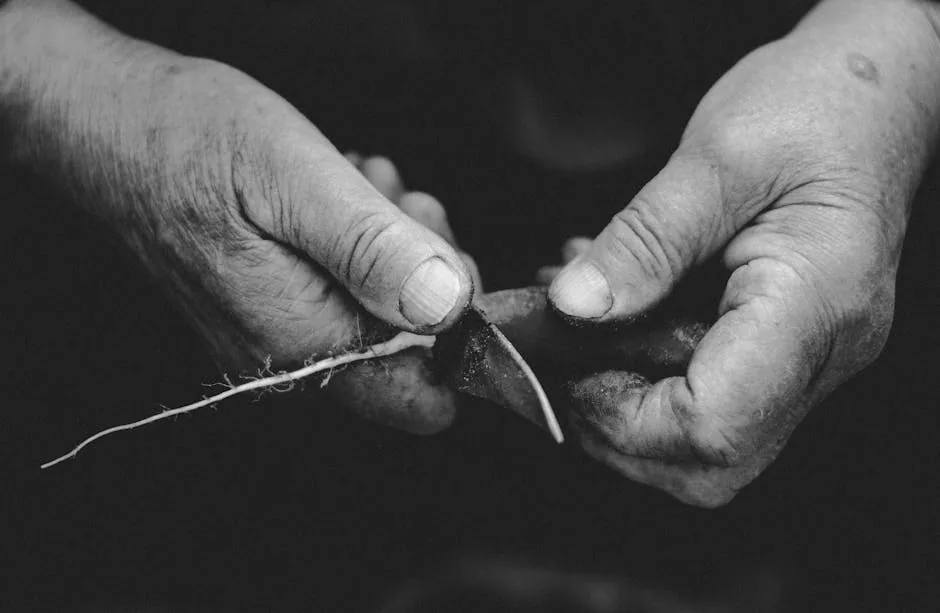
Photo by Tamara Elnova on Pexels
3. The Clean Cut
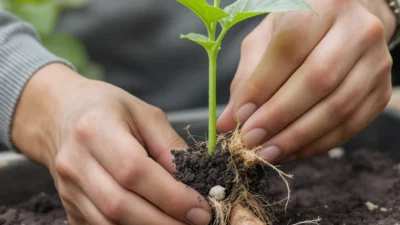
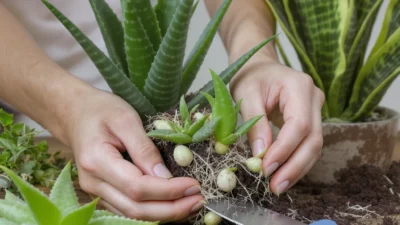
This is the critical moment. Place the root ball on a stable surface. Identify where you need to cut through the crown and any thick, tangled roots. Using your sharp knife, make decisive, clean cuts through these congested areas. For very tough root balls, you can sometimes leverage two garden forks back-to-back in the center to gently pry sections apart, then use the knife to sever remaining connections. Never use a dull spade or simply pull with your hands.
4. Immediate Aftercare
Replant your divisions immediately at the same depth they were growing before. Water them in deeply to settle the soil and eliminate air pockets around the roots. Apply a light layer of mulch to conserve moisture, but keep it away from the crown. Continue to water regularly for the first few weeks, as the plant’s reduced root system cannot yet seek out deep water.
Common Division Mistakes (And How to Avoid Them)
Even with good intentions, it’s easy to slip up. Here are the most frequent plant division mistakes and their simple fixes.
- Mistake: Dividing at the wrong time. Fix: Divide most perennials in early spring as they emerge or in early fall, giving them a cool season to establish roots before extreme heat or cold.
- Mistake: Using dull or dirty tools. Fix: Keep a dedicated sharp knife and file it regularly. Always sterilize before moving between plants.
- Mistake: Dividing when the plant is stressed (e.g., in bloom or during drought). Fix: Always choose a healthy, well-hydrated plant and avoid its peak flowering period.
- Mistake: Making divisions too small. Fix: Ensure each new division has a healthy section of crown and several robust growing points (eyes or shoots). A division with more resources recovers faster.
- Mistake: Neglecting aftercare. Fix: Treat new divisions like delicate transplants. Consistent moisture and protection from harsh sun or wind for the first season are non-negotiable for root system recovery after splitting.
Division as Propagation, Not Destruction
Successful plant division ultimately comes down to a shift in perspective. When you understand that the root ball is a vital, organized structure, the process changes from a forceful chore to a gentle act of propagation. By prioritizing clean cuts over ragged tears, and preparation over haste, you minimize root trauma and give your plants the best possible start in their new locations.
This preventive approach is the real fix. It leads to stronger plants, more abundant blooms, and the deep satisfaction of multiplying your garden’s beauty without setback. Keep your tools sharp, your timing right, and your technique mindful, and you’ll master the art of dividing plants without damage for years to come.