The biggest mistake with rooting hormone isn’t using too little—it’s using it on the wrong cuttings. Many gardeners treat it as a universal magic dust, believing more is always better. The reality is far more strategic. Understanding rooting hormone effectiveness means knowing which propagation scenarios genuinely benefit from a chemical boost and which render it a wasteful, even pointless, step. This guide cuts through the hype to give you a clear, practical map for what works and what doesn’t, helping you match the right tool to the right job and dramatically improve your success rate with everything from softwood herbs to stubborn woody shrubs.
The best way to use rooting hormone is to match its strength and formulation to your specific cutting type. For softwood and semi-hardwood cuttings, a standard powder or gel works well. For hardwood cuttings or difficult-to-root plants, a stronger formulation containing IBA is often necessary. Avoid using hormone on cuttings that root easily in water, as it provides no benefit and can be wasteful. This strategic approach to rooting hormone what works and what doesnt ensures you use it only where it makes a real difference.
The Rooting Hormone Reality Check: What It Actually Does
Let’s start by demystifying what’s in the bottle. Rooting hormones are synthetic versions of natural plant hormones called auxins, primarily Indole-3-butyric acid (IBA) and 1-Naphthaleneacetic acid (NAA). Their job isn’t to magically create roots out of thin air. Instead, they act as a catalyst, stimulating the plant’s own cells at the cut site to divide and form root initials or a protective callus. Think of them as a clear, persuasive signal telling the cutting, “It’s time to grow roots down here.”
This is the core of rooting hormone effectiveness: it can give a hesitant cutting the push it needs. However, and this is crucial, it cannot compensate for fundamental failures. A hormone won’t save a weak, diseased, or improperly prepared cutting. It won’t replace the need for a sterile, moist medium or the right environmental conditions. Understanding this turns rooting hormone from a perceived miracle cure into a strategic tool you apply with purpose. For a deeper dive into the foundational biology, resources like this guide from the University of Minnesota Extension are invaluable.
Method Match-Up: Powder, Gel, or Liquid?
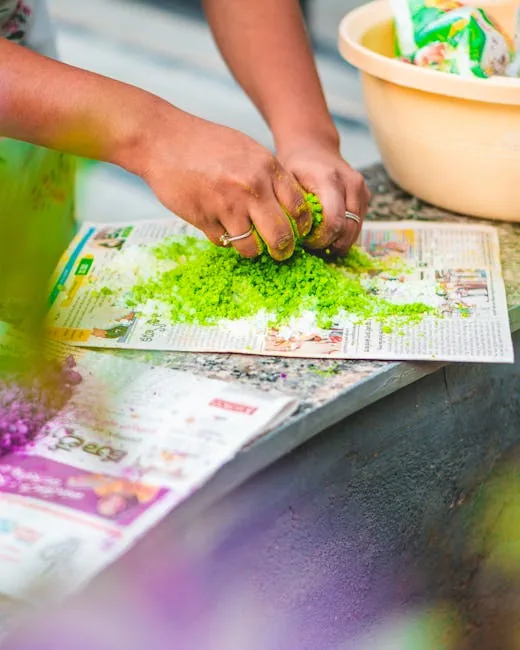
Photo by Chait Goli on Pexels
When you’re ready to use rooting hormone for cuttings, you’ll face a choice of formulations. Each has practical pros and cons for the home propagator.
Powder: The classic choice. It’s easy to use—just dip and tap off the excess. The downside? It can form a clumpy coating that doesn’t always adhere evenly to the stem, and it’s difficult to gauge the exact amount applied. It’s best for standard, non-delicate cuttings where precise dosing isn’t critical.
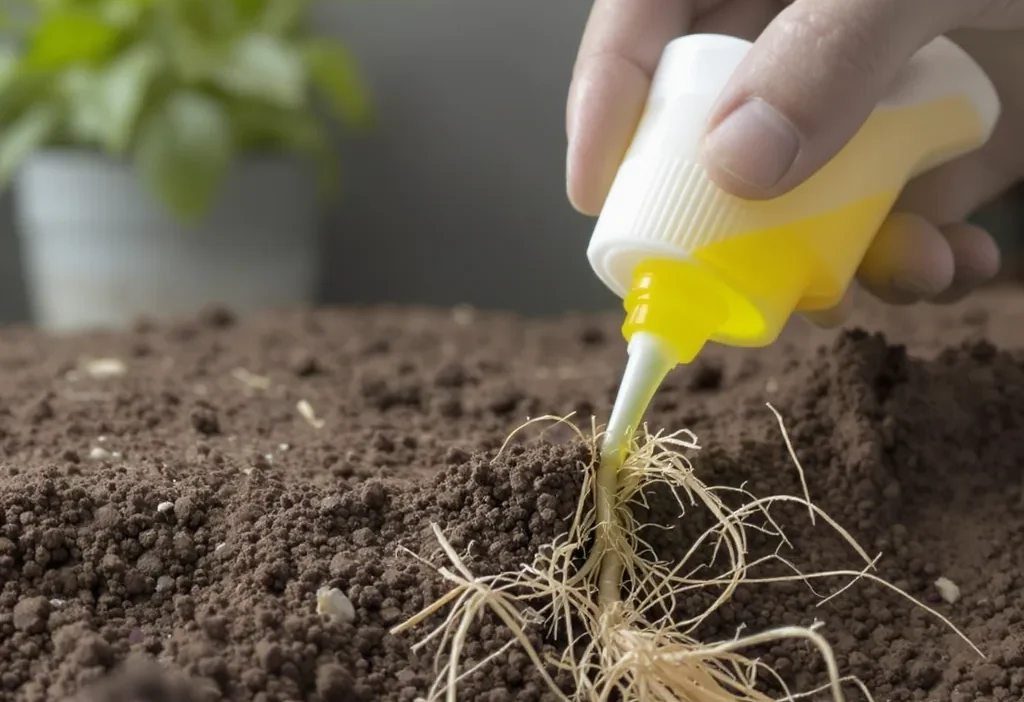
Gel: Often the most user-friendly option, especially for beginners. The gel clings to the stem, providing consistent coverage and sealing the cut surface to help prevent disease. It’s excellent for delicate stems that might shed a powder coating. The main drawback is that it can be messier than powder.
Liquid: Available in concentrates for dilution or ready-to-use dips. Liquids allow for precise concentration control and can be used for quick dips or longer soaks (often for hardwood cuttings). They require more careful handling to avoid contamination of the main bottle and are generally better suited for experienced propagators dealing with large batches or stubborn plants.
When Hormone Helps (And When It’s a Waste)
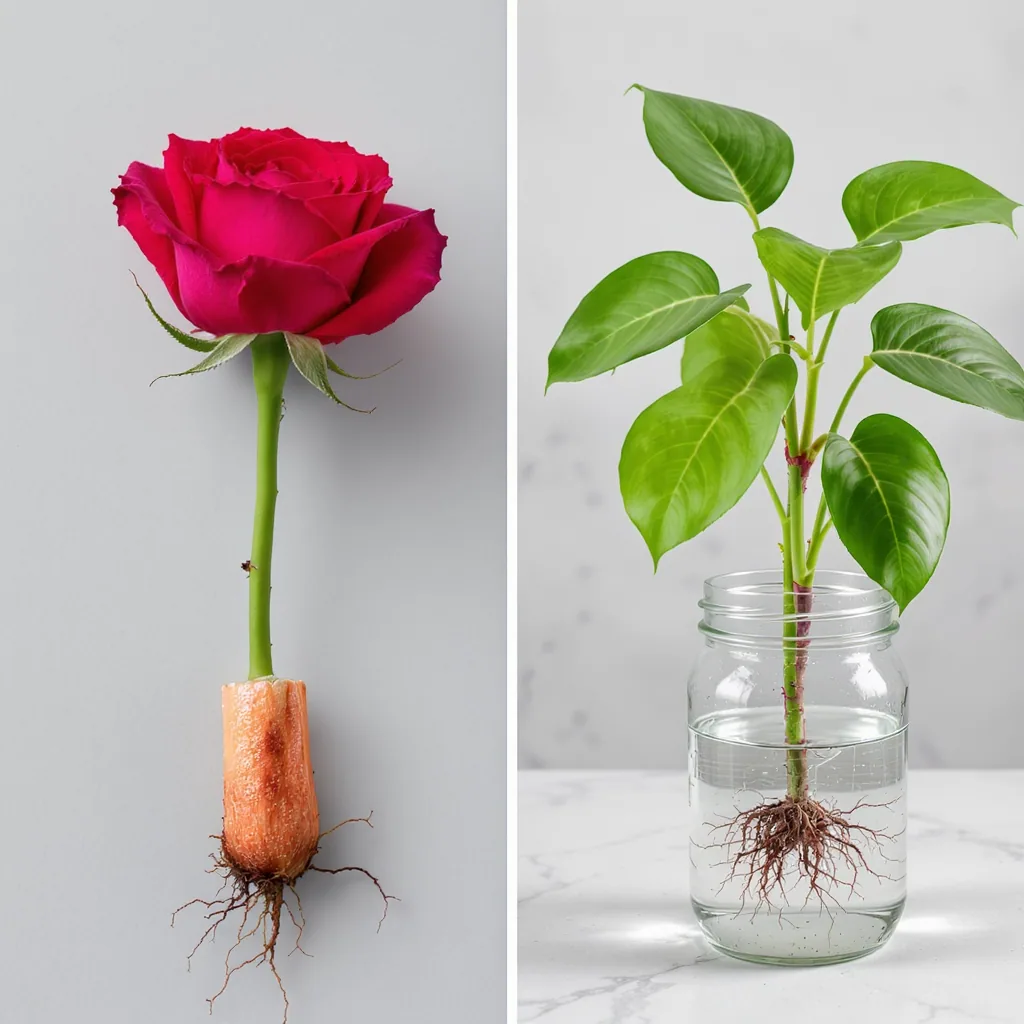
This is the heart of knowing when to use rooting hormone strategically. Your success depends heavily on matching the tool to the task.
Cuttings That Genuinely Benefit
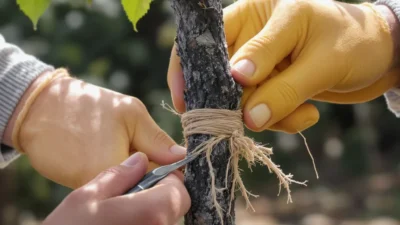
Use a rooting compound for cuttings that are naturally slow or reluctant to root. This typically includes hardwood and semi-hardwood cuttings from trees, shrubs, and some perennials. Classic examples are roses, hydrangeas, conifers, and many fruit tree varieties. For these, a standard or stronger formulation containing IBA can significantly increase success rates and speed up root development. It’s a worthwhile investment.
Cuttings Where It’s Optional or Unnecessary
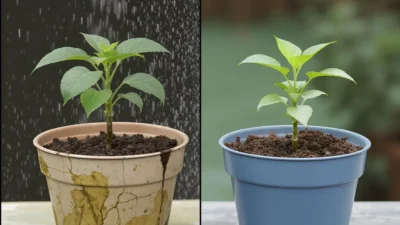
Many soft-stemmed herbs (mint, basil), succulents, and common houseplants like pothos, spider plants, or tradescantia root so readily in water or soil that adding hormone provides little to no measurable benefit. It’s not harmful, but it’s an unnecessary expense. Pouring money into hormone for these easy propagators is a common waste.
A brief note on natural alternatives like willow water or honey: they contain mild rooting compounds or have antiseptic properties. Their effectiveness is generally lower and less consistent than synthetic hormones, but they are a viable, chemical-free option for gardeners who prefer them, especially for already easy-to-root species.
Beyond the Bottle: The Non-Negotiables for Success
Even the best rooting hormone will fail if the basics aren’t right. Mastering these foundational practices is what separates consistent success from frustration.
Cutting Selection and Preparation
Always start with a healthy, pest-free parent plant. Take cuttings from vigorous growth, typically in the morning when plants are full of water. Make a clean, angled cut just below a leaf node (the point where leaves emerge) using a sharp, sterilized blade. Remove the lower leaves to expose the nodes that will be buried, as this is where roots form.
The Propagation Environment
Your rooting medium must be sterile and well-draining—a mix of perlite and peat or a specialized seed-starting mix works well. Humidity is critical to prevent the cutting from drying out before it roots; use a plastic dome or a simple plastic bag over the pot to create a mini-greenhouse. Provide bright, indirect light and consistent, gentle warmth (often from a seedling heat mat). Neglecting any of these factors will nullify any benefit from the hormone.
Rooting Hormone as a Strategic Tool
Ultimately, rooting hormone is a powerful accelerant, not a magic bullet. Its true value is unlocked when you use it strategically—reserving it for the woody, difficult, or valuable cuttings that genuinely need the boost, while skipping it for the easy rooters. The most effective propagation strategy always starts with impeccable fundamentals: perfect timing, pristine cuttings, and a controlled environment. Master those first, then reach for the hormone gel or powder to tip the odds further in your favor for the tough cases. This mindful approach saves money, reduces waste, and leads to far more consistent success in your propagation endeavors.