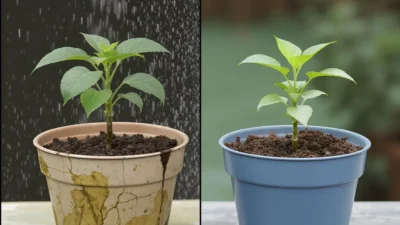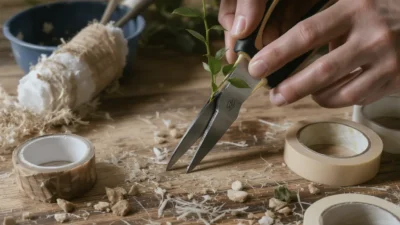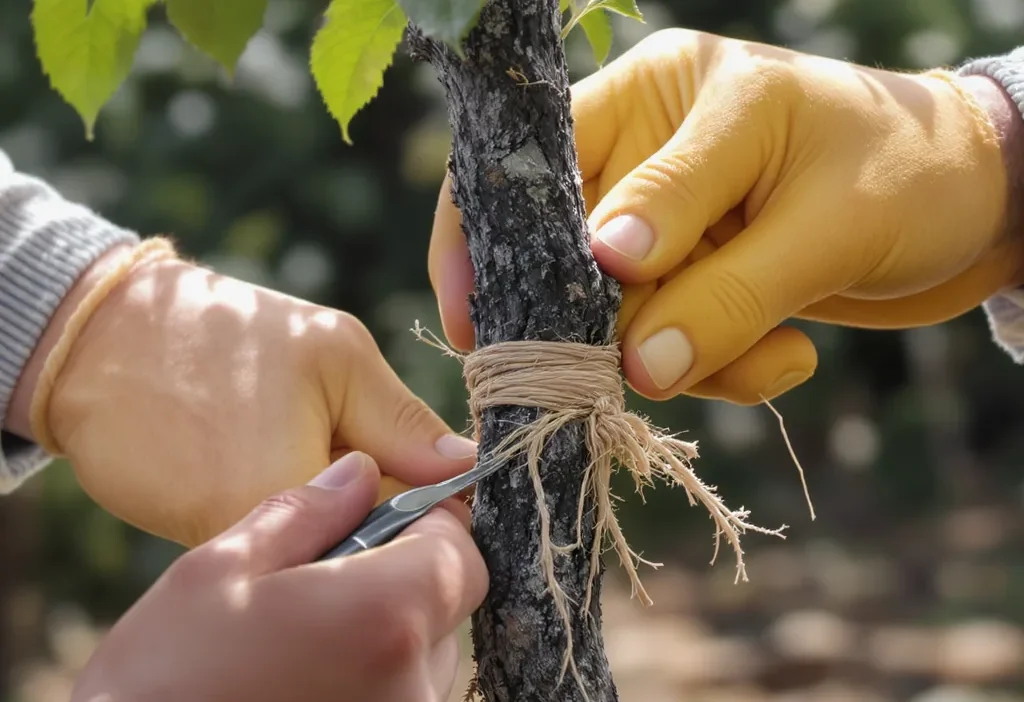
Grafting a scion to a rootstock is less like a simple physical attachment and more like performing a delicate plant surgery where tissue compatibility is the key to a successful union. Think of it as the secret handshake between plant parts—a biological conversation that determines the future health, vigor, and productivity of your tree. While a clean cut and secure wrap are essential, the fundamental science of rootstock and scion matching is what truly dictates whether your graft thrives or fails. This isn’t random chance; it’s a matter of shared genetics, aligned physiology, and cellular communication. Understanding these graft compatibility basics transforms grafting from a hopeful experiment into a predictable, successful practice for any home orchardist or gardener.
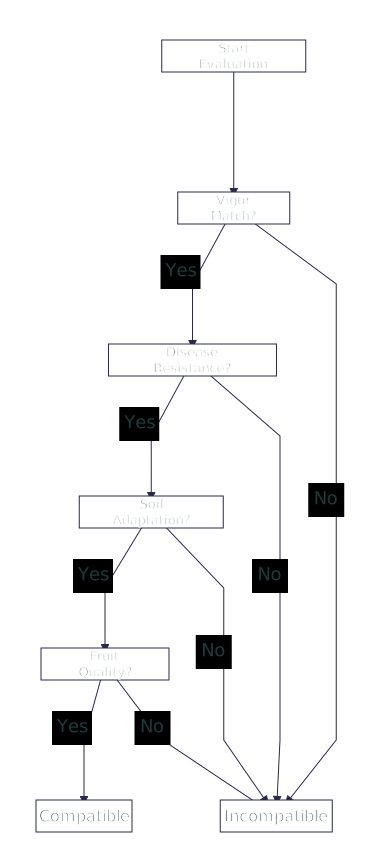
The best way to ensure successful rootstock and scion matching is to prioritize genetic and physiological compatibility. Start by understanding that plants within the same genus and often the same species graft most reliably. Key factors include matching cambium layers precisely, ensuring similar growth rates and vigor, and selecting for compatible vascular systems. Avoid pairing plants with vastly different dormancy periods or disease susceptibilities, as this is a common cause of graft failure.
The Science of the Graft Union: Why Compatibility Isn’t Random
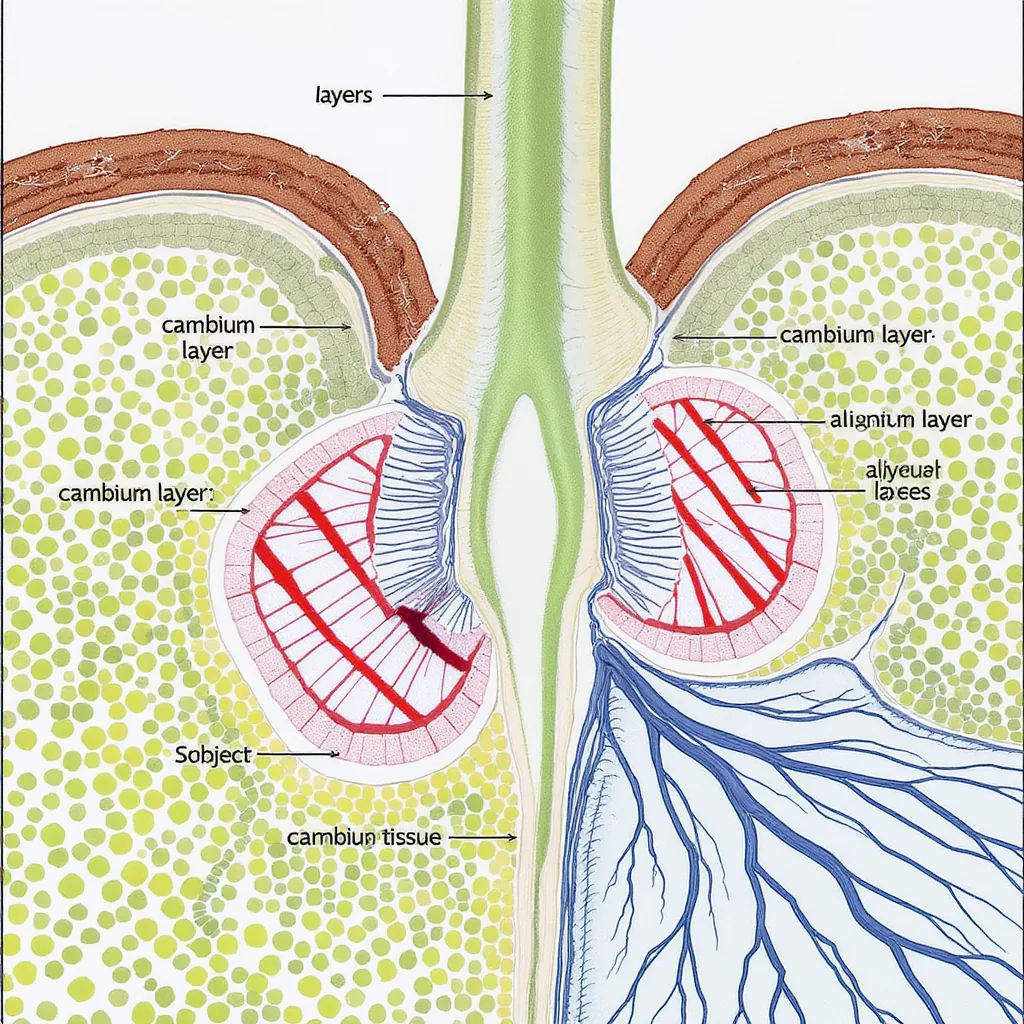
Think of a successful graft not as two sticks glued together, but as two separate plants learning to become one. The magic happens at the cellular level, and it all hinges on a thin, vital layer of tissue called the cambium. This is the plant’s growth engine, a ring of actively dividing cells located just beneath the bark.
When you align the cambium layers of the rootstock and scion, you enable a biological conversation. Cells from both sides proliferate to form a callus—a mass of undifferentiated cells that bridges the gap. From this callus, new vascular tissues (the xylem and phloem, the plant’s plumbing for water and nutrients) must differentiate and connect seamlessly. If the plants are too physiologically different, this intricate communication breaks down. The vascular systems fail to link properly, leading to a weak union or outright rejection, often months or years later. This fundamental process is the core of graft compatibility basics.
Understanding these principles is educational; successful grafting also depends on technique and environmental conditions.
What Works: The Hallmarks of a Successful Match
So, what does a compatible pair look like? Successful scion-rootstock compatibility typically shares several key traits. Prioritizing these will dramatically increase your success rate.
Genetic Closeness: The most reliable rule. Plants within the same genus (e.g., Malus for apples) graft easily. Within the same species (e.g., Prunus persica, peach), compatibility is almost guaranteed. The closer the family ties, the more likely their cellular processes and chemical signals align.
Similar Growth Vigor: A vigorous scion on a dwarfing rootstock is a classic, controlled combination. However, a wildly weak scion on an extremely vigorous rootstock (or vice versa) can lead to an unbalanced tree with a swollen, weak graft union, as one part outgrows the other.
Matched Physiology: This includes compatible dormancy cycles (so both parts wake up and harden off in sync) and similar nutrient and water requirements. Their vascular bundles should also be of a roughly comparable size for efficient connection.
What Doesn’t Work: Common Causes of Graft Failure
Conversely, graft failure often stems from clear mismatches. Recognizing these incompatible rootstock scion pairs can save you time and disappointment.
Distant Genetics: Trying to graft an apple (Rosaceae family) onto a maple (Sapindaceae family) is a biological non-starter. Their tissues are too different to communicate and fuse properly. Even within a family, some genus combinations fail.
Major Vigor Mismatches: While mild differences are used intentionally (like dwarfing), extreme disparities often cause problems. A very slow-growing scion may be “overwhelmed” by the water and nutrients pushed by a hyper-vigorous rootstock, leading to poor fruiting or union breakage.
Physiological Incompatibility: This is a subtle but fatal flaw. For example, a rootstock adapted to wet soils grafted with a scion from a drought-tolerant species may have incompatible water transport systems. Different dormancy periods can cause the scion to break bud before the rootstock is active, leading to dieback.
Disease Susceptibility Gaps: If a rootstock is highly susceptible to a soil-borne disease that the scion tolerates, the entire tree can be lost through the rootstock’s failure, negating any scion resilience. For deeper insights into documented incompatible combinations, consult resources like your local university horticultural extension service.
Putting It Into Practice: A Framework for Choosing
Moving from theory to action, here’s a practical framework for choosing rootstock and scion. Start with your goal, then filter options through the compatibility lens.
1. Define Your Goal: Are you seeking a dwarf tree for a small garden, disease resistance (like to fire blight or root rot), cold hardiness, or tolerance to specific soil types? Your goal dictates which rootstock traits to prioritize.
2. Check Genetic Compatibility First: This is your non-negotiable filter. Confirm your desired scion and potential rootstock are within a compatible genus. If you’re new to fruit tree grafting compatibility, stick to same-species pairings.
3. Research Known Successful Combinations: Don’t experiment blindly. Nursery catalogs, fruit grower associations, and academic extension guides are goldmines of proven successful grafting combinations. For apples, M.9 rootstock for dwarfing or MM.111 for vigor are well-documented examples.
4. Consider Local Adaptations: A rootstock that thrives in the dry West may fail in the humid Southeast. Choose combinations recommended for your climate and soil conditions to ensure long-term health beyond just initial graft take.
Your Path to Grafting Success
Mastering rootstock and scion matching transforms grafting from a hopeful experiment into a predictable science. It’s the blend of understanding the biological “why” behind the union and applying the practical “how” of selecting proven partners. By respecting the need for genetic kinship, physiological harmony, and documented performance, you lay the foundation for a healthy, productive tree.
Your decisive next step is clear: research specific, reliable combinations for the fruit trees you want to grow. Consult trusted local nurseries and extension guides—they hold the localized wisdom that turns good graft theory into great garden results.
Further reading: Rooting Hormone.