You’re holding a packet of lettuce seeds, each one no bigger than a grain of sand. The instructions say “sow shallowly,” but what does that even mean? Should you bury them, press them in, or just sprinkle them on top? This moment of uncertainty is a universal gardening rite of passage. Planting a seed too deep is the most common reason for germination failure, as a tiny seedling simply doesn’t have the energy to push through an inch of soil. Conversely, a large bean seed planted on the surface will dry out or be eaten before it ever sprouts. The solution isn’t guesswork—it’s a simple, size-based rule. This seed sowing depth checklist will replace that confusion with confidence, giving you a clear, actionable guide for every seed in your collection, from dust-like petunias to hefty squash.
The golden rule for planting depth is to sow a seed 2 to 3 times its width. For tiny seeds like lettuce or petunia, this means barely covering them; for medium seeds like beans, plant them about 1 inch deep; and for large seeds like peas or squash, aim for 1 to 1.5 inches. Use this simple size-based framework as your core seed planting depth guide to eliminate doubt and give every seed its best start.
The Golden Rule: Depth by Width, Not Guesswork
Forget complicated charts and vague instructions. The single, most reliable guideline for how deep to plant seeds is beautifully simple: sow a seed at a depth of 2 to 3 times its width. Think of it like tucking a coin into soil—you wouldn’t bury a dime under six inches of dirt. This rule works because it directly addresses the seed’s needs for germination.
Planting at the correct depth ensures the seed has consistent moisture and a stable temperature, while still being close enough to the soil surface for the fragile seedling to push through without exhausting its stored energy. Bury it too deep, and it may never see the light. Leave it too shallow, and it can dry out or fail to anchor properly. This seed depth guide based on size removes the guesswork and sets you up for success from the very start.
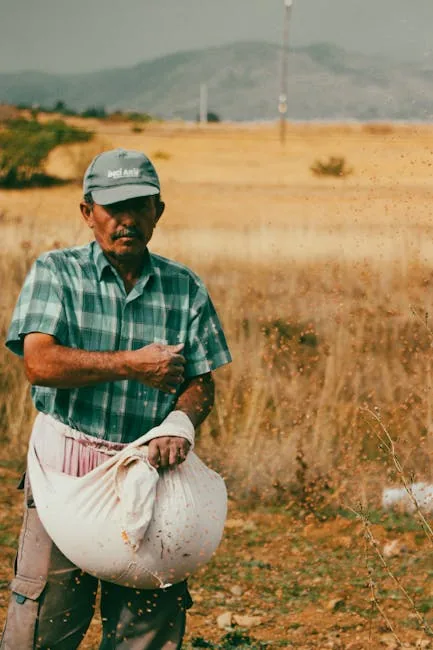
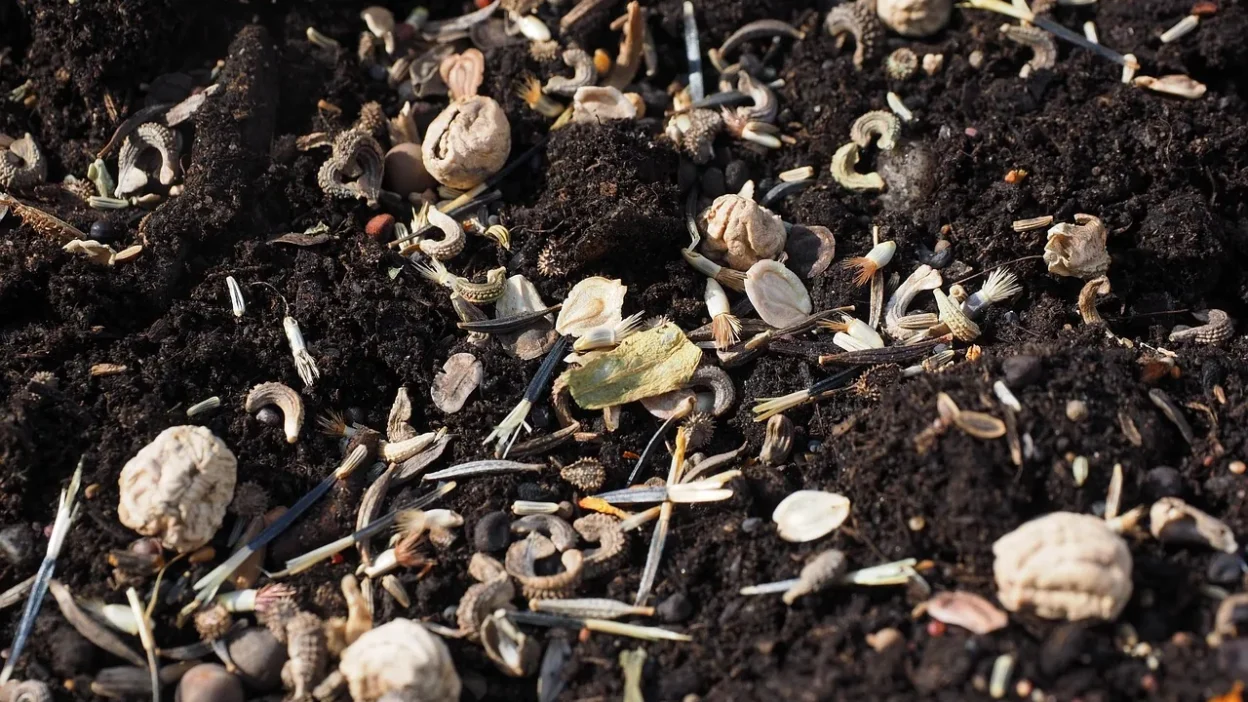
Photo by Beyza Yalçın on Pexels
Your Seed Sowing Depth Checklist
Now, let’s apply the golden rule. Sort your seed packets into three piles based on size, and follow this straightforward seed planting depth guide.
Tiny Seeds
These are like dust or fine sand. Common examples include lettuce, carrots, petunias, snapdragons, and basil.
- Planting Instruction: Do not bury. Simply press them gently onto the surface of pre-moistened, fine-textured seed starting mix. To maintain moisture, you can dust them with a thin, barely-there layer of fine vermiculite or simply cover the tray with a humidity dome.
Medium Seeds
These are about the size of a grain of rice or a small peppercorn. Think of broccoli, cabbage, kale, peppers, and most flower seeds like marigolds or zinnias.
- Planting Instruction: Plant about 1/4 to 1/2 inch deep. Create a shallow furrow or hole, drop the seed in, and cover lightly with soil. Firm the soil gently to ensure good contact.
Large Seeds
These are easy to handle, like peas, beans, corn, squash, cucumbers, and sunflowers.
- Planting Instruction: Plant 1 to 1.5 inches deep. They have ample energy reserves, so they can push through deeper soil. Plant them on their side if they have a distinct shape, and cover firmly.
Beyond Depth: 3 Critical Adjustments to Make
The basic seed sowing guidelines are your foundation, but expert gardeners know to tweak them based on conditions. Here’s what to adjust for optimal seed depth for germination.
1. Soil Type
Do: Plant slightly shallower in heavy clay soils. Clay compacts easily and can crust over, making it harder for seedlings to emerge.
Don’t: Assume the same depth works for fluffy potting mix and dense garden clay.
2. Season & Moisture
Do: Sow a touch deeper during hot, dry periods to place seeds in a cooler, more consistently moist zone.
Don’t: Plant deeply in cold, wet spring soil, as this can promote rot instead of growth.
3. Pre-Soaked or Pre-Sprouted Seeds
Do: Handle these extra-carefully and plant them at the minimum recommended depth for their size. They are already primed for growth.
Don’t: Bury a delicate sprout as deep as you would a dry, hard seed. You can learn more about seed priming techniques from resources like University of Minnesota Extension.
Common Seed Depth Mistakes (And How to Avoid Them)
Even with a good seed planting depth guide, it’s easy to slip up. Here are the most frequent errors and how to sidestep them.
Planting Tiny Seeds Too Deep
Why it fails: This is the #1 reason lettuce and carrot seeds don’t germinate. The microscopic seedling exhausts its tiny energy reserve before it can reach light.
The fix: Resist the urge to cover them. Surface sowing is correct. Use a spray bottle to water so you don’t wash them away.
Inconsistent Depth in a Row
Why it fails: Seeds planted at different depths will germinate unevenly. Some may sprout days later than others, making care and harvesting a hassle.
The fix: Use a ruler or the edge of a trowel to create a uniform furrow at the correct depth before dropping in seeds.
Poor Soil Contact
Why it fails: Simply dropping a seed into a hole and loosely covering it can leave air pockets. The seed needs intimate contact with soil particles to absorb moisture effectively.
The fix: After covering the seed, gently firm the soil with your hand or the back of a trowel. This simple press ensures the correct seed planting depth also means good contact.
Sow With Confidence This Season
Getting the depth right is one of the simplest yet most powerful ways to boost your germination rates. By using the width-based rule and this size-categorized checklist, you’ve replaced uncertainty with a clear, actionable system. No more staring at a packet of dust-like seeds and wondering.
Gardening is full of variables, but how deep to sow seeds doesn’t need to be one of them. Grab your seed packets, sort them into their three size piles, and plant knowing you’ve given each one its best start. Your future seedlings are waiting just beneath the surface.