You’re standing in the garden center, staring at two nearly identical bags: one labeled “Seed Starting Mix,” the other “Potting Soil.” Your seed trays are waiting at home, and the clock is ticking on your planting schedule. Which bag do you grab? If you’ve ever wondered if they’re basically the same thing, you’re not alone—but choosing the wrong one is a common, frustrating mistake that can lead to damp, moldy seedlings or weak, struggling plants. This isn’t just a minor detail; it’s a fundamental choice between two products engineered for completely different jobs. Getting it right means the difference between a flat of robust seedlings and a disappointing germination rate.
The best way to choose between seed starting mix and potting soil is to understand their core purposes. Seed starting mix is a sterile, fine-textured, low-nutrient blend designed for optimal germination and early root development. Potting soil is a denser, nutrient-rich blend meant to support established plants in containers. Using potting soil for seeds can retain too much water and introduce pathogens, while using seed mix for mature plants will starve them of nutrients.
The Core Difference: Purpose-Built for Different Jobs
Think of seed starting mix and potting soil as specialized tools, not interchangeable products. Their entire composition is engineered for one specific phase of a plant’s life. Getting this choice right is the single biggest factor in avoiding frustration and setting your plants up for success.
A quality seed starting mix (often called a germination mix or seed starting medium) has one job: to create the perfect environment for a seed to sprout and for delicate, new roots to establish themselves. It’s designed to be sterile, fine-textured, and low in nutrients. Potting soil (which is often a soilless “potting mix” but marketed as soil) has a different job: to provide sustained support, moisture, and nutrition for an established plant growing in a container. It’s denser, chunkier, and packed with nutrients.
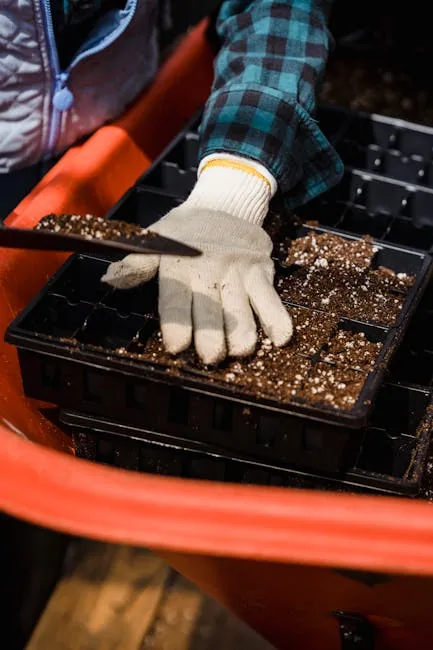
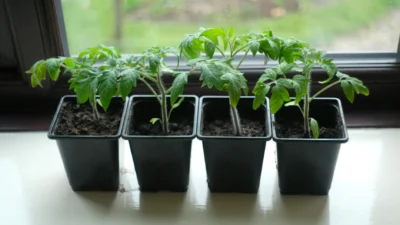
Photo by Greta Hoffman on Pexels
This fundamental difference in purpose explains everything about their ingredients and performance. The table below breaks it down clearly.
| Attribute | Seed Starting Mix | Potting Soil |
|---|---|---|
| Primary Purpose | Germination & early root development | Sustained growth of established plants |
| Texture | Fine, fluffy, light | Coarse, chunky, dense |
| Nutrient Level | Very low or none | High, with added fertilizers |
| Sterility | Sterile (pathogen-free) | Not sterile; contains living microbes |
| Best Used For | Seed trays, propagation of cuttings | Potting up seedlings, houseplants, outdoor containers |
| Typical Ingredients | Peat moss, vermiculite, perlite | Compost, pine bark, peat, perlite, fertilizer |
What’s Actually in Each Bag? (A Simple Breakdown)
Understanding what you’re buying demystifies the choice. A premium seed starting mix is typically a simple, clean blend. Look for ingredients like milled peat moss or coco coir for moisture retention, plus generous amounts of vermiculite and perlite for aeration and drainage. This creates a loose, airy structure that tiny roots can penetrate effortlessly. Crucially, a good mix is pasteurized to be sterile, which protects vulnerable seeds from fungal diseases like damping-off. As a guide from the University of Minnesota Extension notes, a sterile medium is a key defense against seedling loss.
In contrast, potting soil is a more complex, “living” medium. It contains larger particles like compost, shredded pine bark, or forest products to provide structure and slowly release nutrients. These ingredients also help with moisture retention over a longer period for thirsty mature plants. The nutrient content comes from compost itself and often added slow-release fertilizers. This richness is perfect for plants that are actively growing leaves and flowers, but it can be overwhelming—even toxic—to a germinating seed that relies on its own internal food store.
Your Decision Filter: Which One Should You Use?
Forget memorizing lists. Use this simple filter based on what you’re actually doing in the garden. Your answer will point you straight to the right bag.
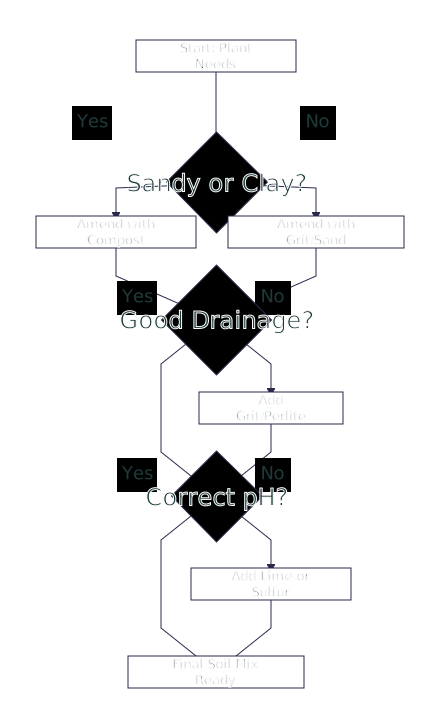
Use Seed Starting Mix If…
- You are sowing seeds indoors in trays, cells, or pots. This is the definitive best soil for seed starting.
- You are propagating stem or leaf cuttings. They need the same sterile, well-aerated environment to root.
- You are growing microgreens. A shallow tray of fine seed tray mix is ideal.
Use Potting Soil If…
- You are repotting a seedling that has at least 2-3 sets of true leaves (its “potting up” stage).
- You are potting a mature houseplant, herb, or vegetable into a permanent container.
- You are filling outdoor patio pots, window boxes, or raised beds for seasonal flowers or veggies.
The Hybrid Approach: Can You Mix Them?
Yes, and it’s a smart move for one specific task: potting up seedlings. When your seedlings outgrow their starter cells, their roots are ready for more substance and nutrients. A 50/50 blend of seed starting mix and potting soil creates a perfect “transition” medium—it’s still relatively light but introduces the nutrients and structure the plant now needs.
What Doesn’t Work: The Costly Swaps to Avoid
Using the wrong medium might not just slow growth; it can cause complete failure. Here’s what typically goes wrong.
Using Potting Soil for Seeds: This is the most common and damaging mistake. The dense texture can smother seeds, preventing oxygen from reaching them. It retains too much water, creating a soggy environment where fungal pathogens thrive, leading to “damping-off” where seedlings collapse and die. The high nutrient levels can also chemically “burn” delicate sprouting roots. Your germination rates will plummet.
Using Seed Starting Mix for Mature Plants: While less immediately disastrous, this swap starves your plants. After their first few weeks, plants rapidly deplete the seed’s stored energy and need external nutrients. A nutrient-free seed mix provides none, leading to stunted, yellowing growth. Furthermore, its light, fluffy structure dries out too quickly for a large plant’s root ball and doesn’t provide enough anchorage, making top-heavy plants unstable.
The rule is simple: match the medium to the mission. A seed’s mission is to sprout safely; a plant’s mission is to grow vigorously. Using a product designed for the other mission undermines it from the start.
Choose the Right Tool for the Job
So, the next time you’re in the garden center staring at those bags, you won’t feel confused. Look at your seeds and pots, remember the core purpose rule, and choose the bag that matches the job. Grab the fine, fluffy seed starting mix for anything you’re starting from zero. Reach for the richer, chunkier potting soil for anything that’s already growing. It’s a small, simple choice that makes a huge difference—turning guesswork into germination and hope into harvest.