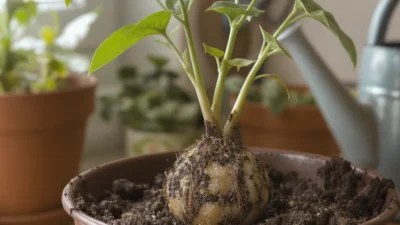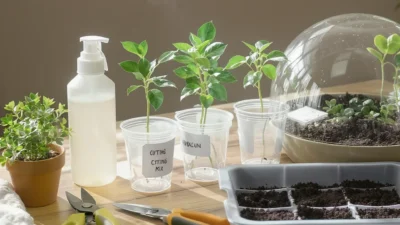
Should you start your new garden from a packet of seeds or take cuttings from a favorite plant? This isn’t just a minor choice—it’s a fundamental decision that shapes your garden’s timeline, cost, and even the very nature of your plants. Understanding the difference between sexual and asexual plant propagation is the key to making the right call. Sexual reproduction, using seeds, mixes genetic material to create unique offspring, much like human reproduction. Asexual propagation, using methods like cuttings or division, creates perfect genetic clones. Your goal—whether it’s breeding new varieties, preserving a prized specimen, or simply getting results fast—determines which path is best for you. Let’s break down this core concept so you can propagate with confidence.
The best way to choose between sexual and asexual plant propagation is to weigh your goals. If you need genetic diversity, want to breed new varieties, or are working with annuals, use seeds (sexual). If you want an exact clone of a parent plant, need faster results, or are propagating perennials and shrubs, use vegetative methods like cuttings or division (asexual).
The Core Difference: Genetics vs. Cloning
At its heart, the choice between sexual and asexual plant propagation comes down to one fundamental question: do you want a genetically unique individual or an exact copy? This genetic outcome is the most critical difference and informs every other advantage and trade-off. asexual plant propagation comes down
Sexual reproduction in plants involves the fusion of pollen and ovules, resulting in a seed. This seed contains a brand-new mix of genetic material from both parent plants. Just like human siblings, plants grown from the seeds of the same parent are all genetically distinct. This is the essence of seed propagation.
Asexual propagation, often called vegetative propagation, bypasses seeds entirely. It uses vegetative parts of a plant—stems, leaves, roots—to create a new plant. Because the new plant grows from the specialized cells (meristem) of a single parent, it is a genetic clone, an exact replica. Methods like taking cuttings, dividing roots, or layering are all forms of cloning plants. For a deeper dive into the botany, resources like the University of Minnesota Extension’s seed starting guide offer great foundational knowledge.
Side-by-Side: Key Advantages and Trade-offs
Understanding the genetic difference helps explain the practical pros and cons of each plant reproduction method. Here’s a breakdown of what you typically gain and give up with each approach.
| Aspect | Sexual Propagation (Seed) | Asexual Propagation (Cuttings/Division) |
|---|---|---|
| Genetic Outcome | Genetically unique offspring; variation is expected. | Genetic clone; identical to the parent plant. |
| Speed to Maturity | Slower. Requires germination and full seedling development. | Faster. Starts as a mature piece of the parent, skipping the seedling stage. |
| Typical Cost | Very low cost for seeds, but requires investment in starting supplies (lights, trays, soil). | Often free (using your own plants), or the cost of a starter plant/cutting. |
| Skill Level Required | Moderate to high for successful germination and seedling care. | Generally low to moderate; relies on the plant’s natural rooting ability. |
| Best Use Cases | Breeding new varieties, growing annuals, increasing genetic diversity, saving heirloom seeds. | Preserving specific traits (flower color, fruit taste), propagating perennials/shrubs, quickly filling a space. |
| Key Limitations | Offspring may not “come true” from hybrid plants. More vulnerable in early stages. | Can perpetuate diseases from the parent. No genetic diversity, which can be a risk for pests/disease. |
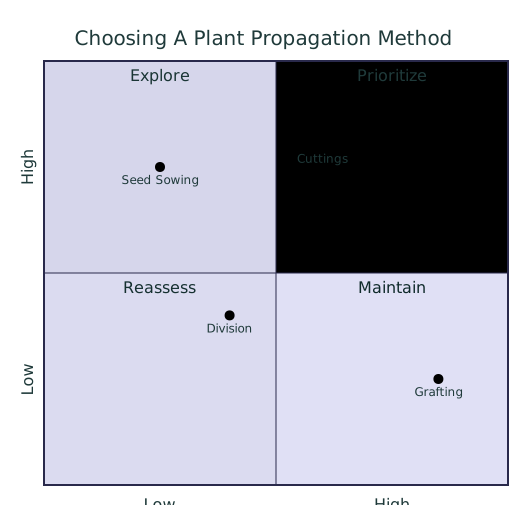
As the table shows, seed propagation vs vegetative propagation isn’t about one being universally better. It’s about which set of trade-offs aligns with your goal. If you need an exact copy and speed, go asexual. If you’re breeding or value diversity, seeds are your tool.
Your Decision Guide: When to Choose Which Method
Instead of memorizing lists, ask yourself these simple questions. They form a lightweight “decision tree” that will point you to the right technique for your project.
Do you need an exact copy of the parent plant?
If yes, your answer is clear: use asexual propagation methods. This is non-negotiable if you want to preserve a specific flower color, fruit flavor, growth habit, or variegation. Taking a cutting from that stunning rose or dividing a hosta guarantees the new plant will have those same prized traits.
Are you breeding for new traits or growing from saved seeds?
If yes, you must use sexual reproduction. This is the only way to generate genetic diversity. It’s essential for creating new cultivars, saving seeds from heirloom or open-pollinated plants, and simply enjoying the surprise of what might grow from a mixed seed packet.
Is speed or time a primary concern?
For faster results, lean toward vegetative propagation vs seeds. A rooted cutting of a shrub will reach a usable size years faster than a seedling. Division gives you a full-sized perennial instantly. If you need to fill a garden bed by next season, cloning is often the pragmatic choice.
What type of plant are you working with?
This is a great final filter. Most annuals (like beans, lettuce, zinnias) have life cycles optimized for seed starting and are often easier grown that way. Most perennials, shrubs, trees, and houseplants (like mint, philodendron, raspberries) root readily from cuttings or division, making asexual propagation techniques more efficient.
Putting It Into Practice: Common Plant Scenarios
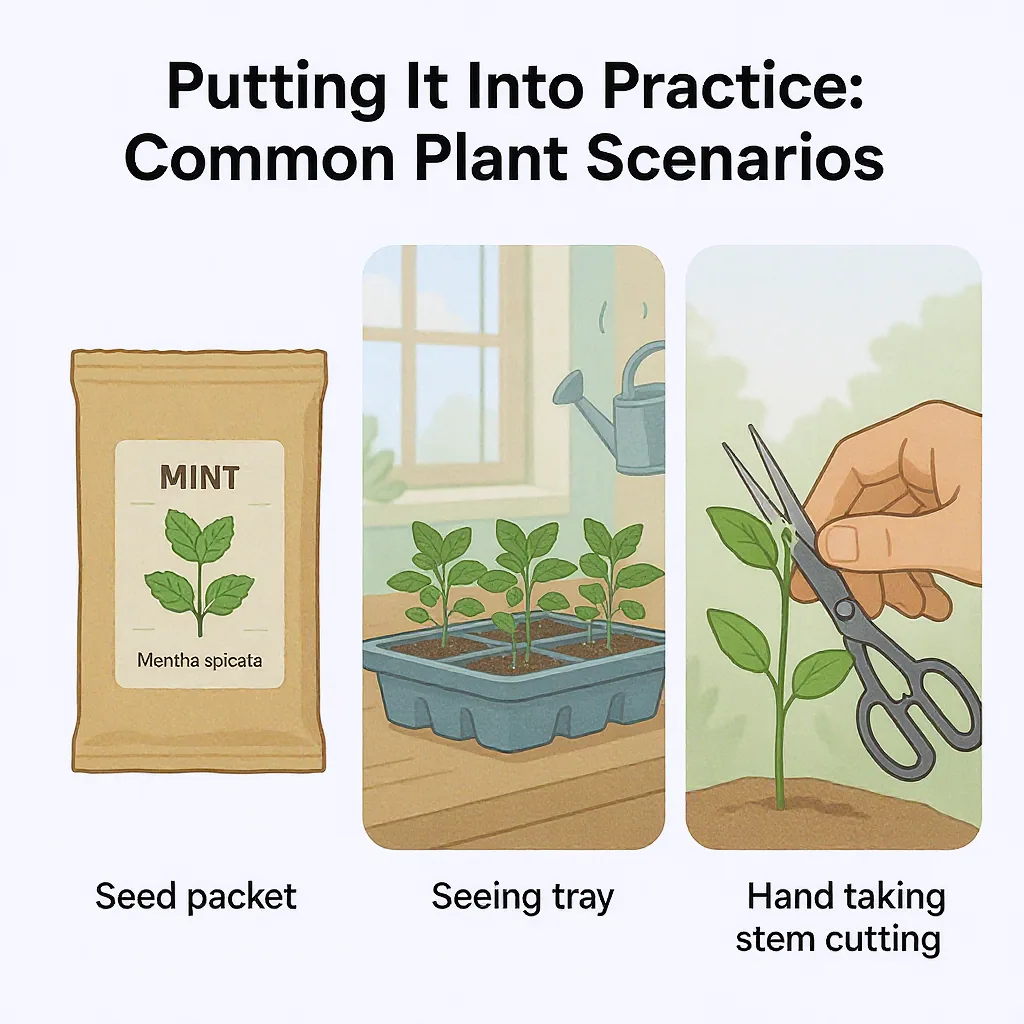
Let’s apply this framework to real plants you might have in your garden. Seeing the theory in action makes the choice instinctive.
Tomatoes: The Flexible Favorite
You can propagate tomatoes both ways, which highlights the goal-based decision. Want to grow a reliable ‘Sun Gold’ cherry tomato with its signature sweet taste? Take a cutting (asexual) to get an identical, fast-producing plant. Experimenting with an heirloom variety and saving seeds for next year? Use seeds (sexual) to maintain its genetic lineage, accepting some natural variation.
Mint, Lemon Balm, and Other Spreaders
These aggressive perennials are classic candidates for division. Why? It’s fast, easy, and controls their spread by rejuvenating the parent plant. Digging up a clump and pulling it apart (asexual) in spring gives you multiple free plants instantly, all with the true flavor of the original.
Fruit Trees (Apple, Peach, Citrus)
Almost all fruit trees are propagated asexually, typically by grafting or budding. This is because a seed from a delicious apple will not grow into a tree that produces the same apple. To guarantee fruit quality and reduce time to harvest, a branch (scion) from the desired variety is grafted onto a hardy rootstock. This is a sophisticated form of cloning to preserve exact traits.
Choose Your Tool, Don’t Just Follow a Rule
The biggest mistake a gardener can make is treating sexual vs asexual plant propagation as a strict rulebook. It’s a toolkit. Each method has a specific purpose: seeds for diversity and creation, clones for fidelity and speed.
Your success hinges on matching the tool to the job. Before you reach for a seed packet or pruning shears, pause and ask what you truly want from the new plant. Is it an exact replica, or a delightful surprise? Is it needed this season, or is it a long-term project? By letting your goal guide your method, you move from simply following instructions to making confident, strategic decisions that make your garden uniquely yours.
Q: Can all plants be propagated asexually?
A: No, not all plants readily propagate asexually. While many perennials, shrubs, and houseplants do, some plants, especially certain annuals and those with specific root structures, are much more challenging or impractical to clone and are better grown from seed.
Q: Is seed propagation always cheaper than buying cuttings or plants?
A: Initially, yes, seeds are usually cheaper. However, factor in the cost of seed-starting supplies (lights, trays, heat mats) and the significant time investment required to nurture seedlings to transplant size. For a single plant, a cutting or starter plant is often more cost-effective in terms of time.
Q: Does asexual propagation make plants weaker over time?
A: There is a concept called ‘cultivar decline’ where repeatedly cloning from clones (especially via tissue culture) can, over many generations, potentially accumulate minor mutations or viral load. For home gardeners taking cuttings season-to-season, this is rarely a concern. Division actually rejuvenates many perennials.