You’re holding a pair of scissors, staring at a lush Pothos vine, and you’ve decided to make your first cut. The question isn’t *if* you should propagate, but *how*: do you snip off just a single, beautiful leaf, or do you take a leaf with that little bump of stem attached? This moment of hesitation is where many plant journeys diverge onto two very different paths. Understanding the difference between a single leaf cutting and a leaf-with-node cutting isn’t just botanical trivia—it’s the key to turning a hopeful snip into a thriving new plant or a lesson in patience. Let’s clear up the confusion so you can make the cut with confidence.
The best way to decide between a single leaf and a leaf-with-node cutting is to understand your goal. A leaf-with-node cutting contains a growth point and will develop into a full, vining plant. A single leaf cutting (just leaf and petiole) is simpler but often only grows roots, creating a ‘zombie leaf’ that never vines. Use node cuttings for new plants; use single leaf cuttings primarily for succulent propagation.
What Exactly Are You Cutting? (Anatomy 101)
Before you make the cut, you need to know what you’re looking at. Let’s break down the key parts of a typical vining plant like a Pothos, which is a classic candidate for node propagation.
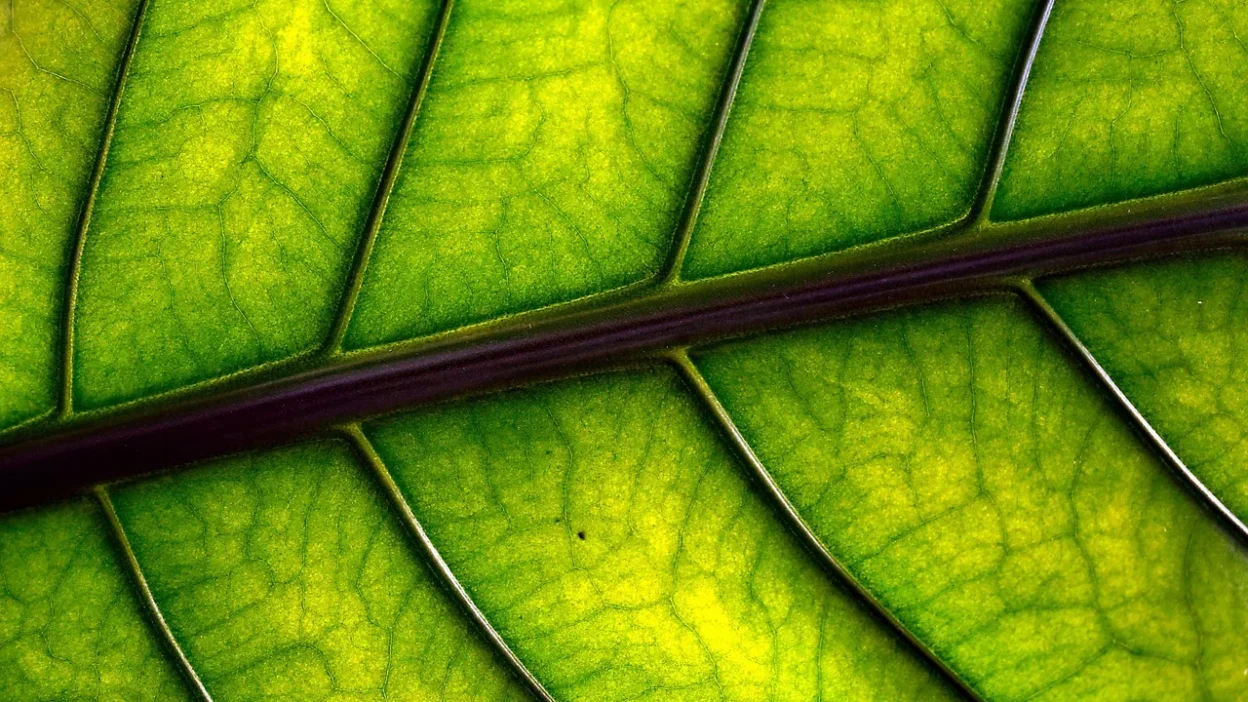
First, the leaf is the green, photosynthetic part. It’s attached to the stem by a small stalk called the petiole. The petiole is crucial—a single leaf cutting always includes this little stem. Where the petiole meets the main vine, you’ll find a thickened, bumpy ring. This is the node.
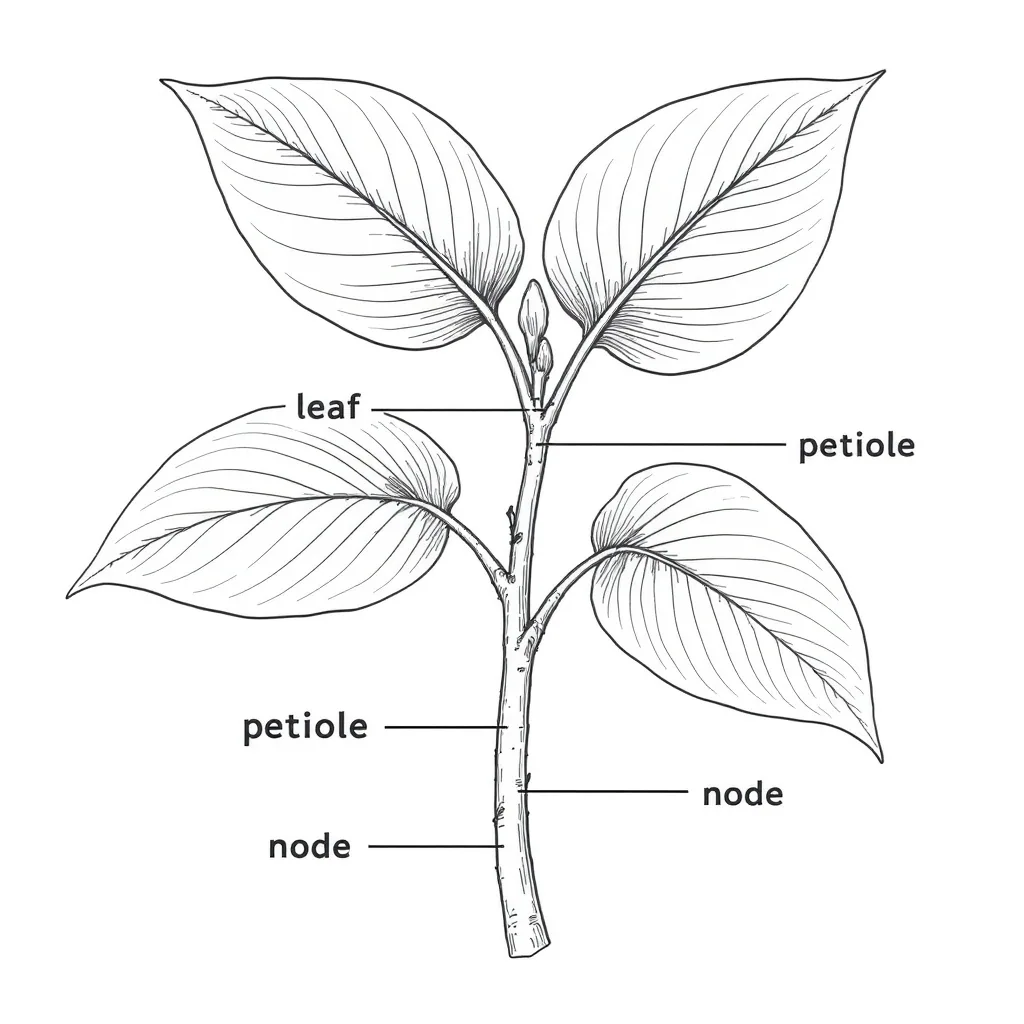
Think of the node as the plant’s command center for new growth. Hidden inside it is meristematic tissue—cells that can become anything: roots, stems, or new leaves. Often, you can see a tiny, pointed bump on the node opposite the leaf. This is the auxiliary bud (or lateral bud), a dormant baby shoot just waiting for the signal to grow. When you take a leaf-with-node cutting, you are capturing this entire growth engine.
The Single Leaf Path: Simplicity with a Catch
This is the method that often tempts beginners: you see a beautiful, healthy leaf, snip it off with its petiole, and pop it in water. The process of leaf petiole propagation is undeniably simple. And often, it works—sort of. The cutting will frequently grow a nice set of roots from the end of the petiole.
Here’s the catch: without a node, there is no source for new stem growth. You’ll end up with a “zombie leaf”—a leaf that is alive, has roots, but is forever stuck as just a leaf. It cannot produce a vine or become a full plant. It will eventually exhaust its stored energy and die, often after a year or so, leaving you confused about what went wrong.
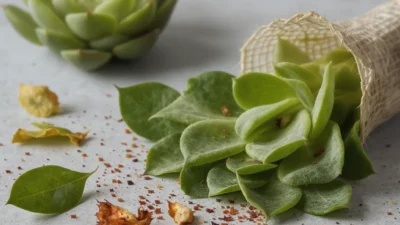
This path has one major, important exception. For many succulents (like jade plants) and some genera like Peperomia, leaf-only propagation is not only possible but standard practice. Their leaves contain the right cells to regenerate both roots and a new shoot. For vining houseplants, however, consider this method a fascinating experiment in patience, not a reliable way to clone your plant.
The Leaf-with-Node Path: Your Ticket to a New Plant
If your goal is a true clone—a new, independent plant that will vine and thrive—then the node is non-negotiable. A proper pothos node cutting (or one from a Philodendron, Monstera, etc.) includes at least one node and usually one or two leaves attached above it.
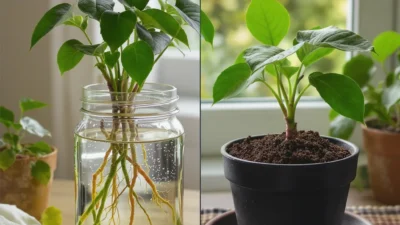
When you place this cutting in water or soil, magic happens. The node does two jobs: it pushes out new roots to anchor and feed the plant, and it activates that auxiliary bud to start growing a brand new stem. This new stem will eventually produce its own leaves and nodes, continuing the cycle of growth. This is why stem node cutting is the gold standard for propagating most common houseplants.
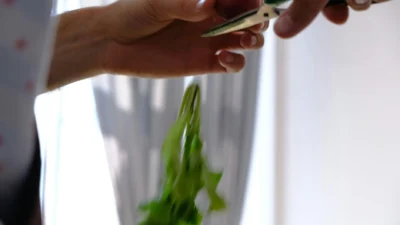
A good cutting is easy to make. Look for a healthy section of stem with a visible node. Using clean scissors, cut about an inch of stem below the node. You can leave one or two leaves on the section above the node to support photosynthesis. That’s it. You’ve just captured the complete blueprint for a new plant.
Decision Time: Which Method When?
Now that you understand the “why,” the choice between a single leaf vs leaf node cutting becomes clear. It’s not about which is better in a vacuum, but which serves your specific goal. The table below lays out the direct comparison to help you decide at a glance.
| Single Leaf Cutting | Leaf-with-Node Cutting | |
|---|---|---|
| Goal | Root growth experiment; propagate specific succulents. | Create a new, vining plant (true cloning). |
| Best For Plant Types | Succulents (Jade, Echeveria), Peperomia, some Begonias. | Vining plants (Pothos, Philodendron, Monstera), most tropical foliage. |
| Success Rate for New Plant | Very Low (for vining plants). High (for succulents). | Consistently High. |
| What Grows | Roots only. Rarely, if ever, a new stem. | Roots and a new stem from the node. |
| Recommended For | Learning, curiosity, propagating succulents. | Reliably multiplying your houseplant collection. |
For a quick visual guide, you can also follow this simple logic:
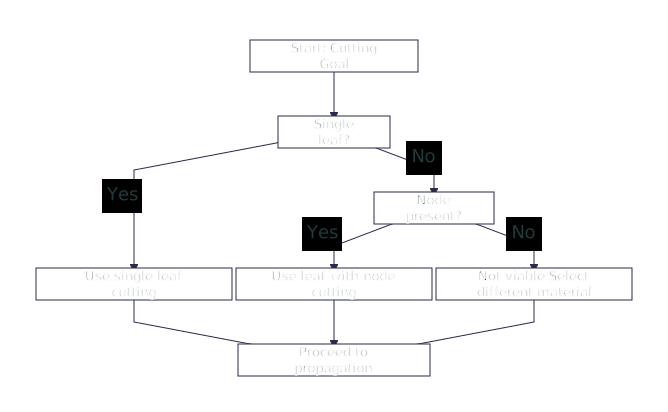
In short, if you want more of a plant that grows on a vine, you must use a node. If you’re working with a succulent or just want to see what happens, a single leaf cutting is your path.
Making the Confident Cut
The tradeoff is clear. The leaf-with-node cutting is the dependable, purposeful choice for creating new plants. It leverages the plant’s natural growth points for guaranteed success. The single leaf cutting has its niche for specific plants and serves as a valuable, low-stakes lesson in plant biology.
Your next step? Find a vine on your Pothos or Philodendron, trace a leaf back to its stem, and locate that little bump—the node. Now you see the potential. With this knowledge, you can make your cut not with hesitation, but with the confidence that you’re giving your plant the best chance to multiply and thrive.