Choosing between spring and fall for dividing your perennials can feel like a gardener’s seasonal riddle. It’s less about a rigid calendar rule and more about understanding the natural rhythm of your plants—like picking the right tool for the job. You wouldn’t use a shovel to prune shears’ work, and you shouldn’t split a peony in the same season you’d divide an aster. The core tension lies between spring’s explosive growth energy and fall’s calm, settling period. The “right” choice ultimately depends on two simple things: the specific perennial in question and the climate you garden in. Getting this seasonal timing right is the key to reducing transplant shock and giving your divisions the best possible start, turning one thriving clump into many.
The best way to decide between spring vs fall plant division is to consider the plant’s growth habit and your local climate. For most perennials that bloom in mid-to-late summer or fall, divide in early spring as new growth emerges. For spring bloomers and plants that are tough and well-established, early fall division is often ideal, giving roots time to settle before winter. The key is to avoid dividing during peak bloom or extreme heat.
The Core Principle: It’s About Plant Energy
Think of your perennial plants as having a seasonal energy budget. The debate over the best time to divide perennials boils down to one simple question: do you want that energy directed into explosive top growth or quiet root establishment? That’s the fundamental difference between spring and fall division.
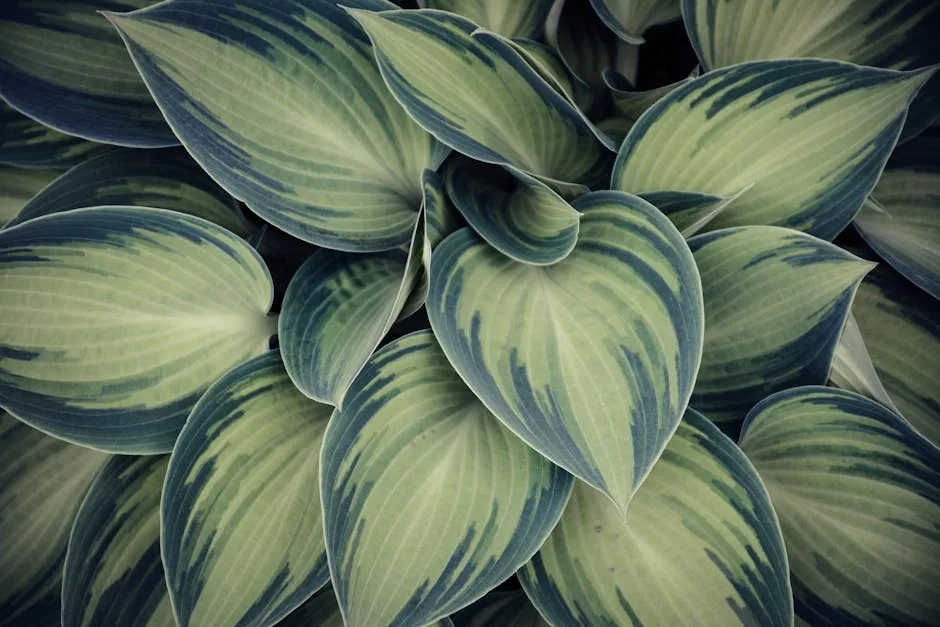
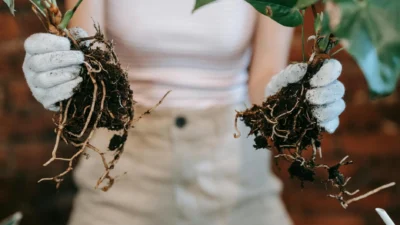
Photo by Brett Sayles on Pexels
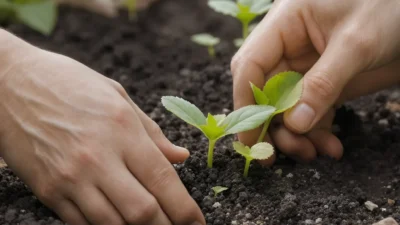
In early spring, the plant is waking up. Its stored energy is surging upward to produce new leaves and stems. Dividing at this moment taps into that natural growth spurt, giving each new division an entire season to push out roots and foliage. In contrast, early fall division happens as top growth slows. The plant’s energy shifts downward to root development, allowing new divisions to focus on settling in underground before winter’s dormancy, without the stress of summer heat.
Spring Division: The Growth Spurt Advantage
Dividing perennials in spring is ideal for plants that flower in the late summer or fall. These include popular varieties like asters, chrysanthemums, sedum, and Russian sage. By splitting them just as new, green shoots are a few inches tall, you give them the maximum time to recover, establish, and still put on their floral show later in the year.
This timing is also safer for tender plants and gardeners in regions with harsh, early winters. A full growing season of root growth builds the resilience needed to survive the cold. A key rule of thumb: if a plant blooms in the spring, like peonies or iris, avoid dividing it right after it flowers, as this robs it of energy. For those, you have a better option.
Fall Division: The Calm Establishment Period
For spring and early-summer bloomers, dividing perennials in fall is typically the winning strategy. Plants like peonies, daylilies, hostas, and bearded iris have finished their above-ground performance for the year. Dividing them in early fall (aim for 4-6 weeks before your average first hard frost) allows them to devote all their energy to root growth.
This season is also excellent for tackling tough, overgrown clumps that have been in the ground for years. The cooler, often moister weather reduces transplant shock. The critical task after fall division is to ensure the new plants receive adequate water until the ground freezes. This helps them establish those crucial new roots, making them ready to burst forth in spring. This method works beautifully in mild climates with long, gentle autumns.
Your Decision Guide: Climate, Plant, and Timing
So, how do you choose? Your perennial division timing hinges on three factors: your climate, the plant’s bloom cycle, and its health. Use this simple mental checklist:
- Climate: In cold zones (roughly USDA 4 and below), lean toward spring division for most plants to ensure winter survival. In warmer zones (5 and above), fall division becomes a very reliable option.
- Bloom Time: The golden rule: divide after flowering. For spring bloomers, that’s fall. For fall bloomers, that’s spring.
- Plant Vigor: Is the plant struggling or overcrowded? Spring division gives it more recovery time. Is it a robust, established monster? Fall division can handle it.
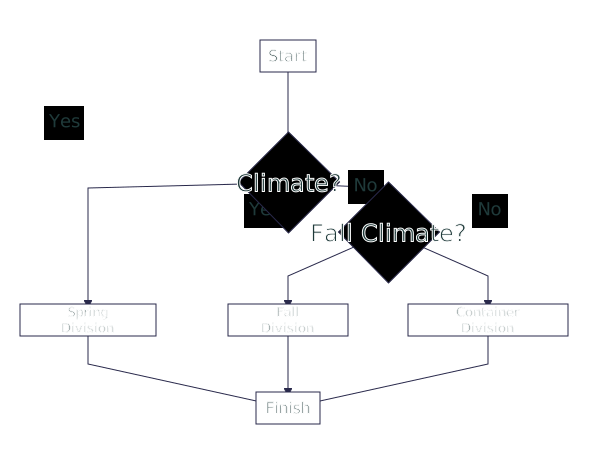
This comparison table synthesizes the key points to help you decide at a glance:
| Criteria | Spring Division | Fall Division |
|---|---|---|
| Best For (Plant Types) | Late summer & fall bloomers (e.g., asters, mums, sedum), tender perennials. | Spring & early summer bloomers (e.g., peonies, daylilies, hostas), tough, established clumps. |
| Ideal Timing | As new growth emerges, before heat sets in. | 4-6 weeks before the first hard frost. |
| Key Advantage | Leverages the plant’s natural growth surge for a full season of recovery. | Allows focus on root establishment in cool, calm conditions without summer stress. |
| Biggest Risk | Summer heat/drought stressing new divisions before they’re settled. | Early freeze damaging unestablished roots before winter. |
| Climate Consideration | Often preferred in colder zones with harsh winters. | Excellent in mild climates with long, moist falls. |
Make Your Choice and Get Growing
Don’t let the decision paralyze you. Both seasons can work if you match the method to the plant. The core idea is to work with the plant’s natural rhythm, not against it. This weekend, take five minutes to identify one perennial in your garden that’s getting crowded or blooming poorly. Check its bloom time, note your first frost date, and you’ll have your answer. Whether you choose the energetic push of spring or the quiet settling of fall, you’re giving your plants a fresh start.
Q: Can I divide perennials in the summer?
A: It’s generally not advised. The heat and stress of summer can quickly wilt or kill new divisions before their roots can recover. If you must, choose a cool, cloudy period and be prepared to water meticulously and provide temporary shade.
Q: What if I miss the ideal window for dividing?
A: If the plant is healthy, it’s often better to wait for the next correct season rather than dividing at a bad time. A perennial can usually tolerate being crowded for one more year, but it may not survive a poorly-timed division.
Q: How often should I divide my perennials?
A: There’s no fixed schedule, as it depends on the plant’s vigor. A common sign it’s time is when the center of the clump dies out or flowering significantly decreases. Fast growers like daylilies may need it every 3-4 years, while peonies can thrive for decades undivided.
Q: Do I need special tools to divide plants?
A: Not necessarily. For many fibrous-rooted plants, two garden forks pushed back-to-back through the clump can lever it apart. For tough, woody crowns, a sharp spade or even a handsaw may be needed. The key is to use clean, sharp tools to make crisp cuts and minimize damage.