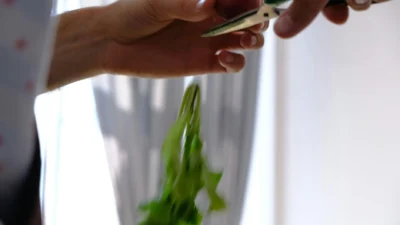
You stand there, scissors poised above that gloriously overgrown pothos vine. The promise of a “free plant” is tantalizing, but a flicker of doubt holds you back. Is now the right time? Should it go in water or straight into soil? What if it just… rots? This moment of hesitation is where many budding propagators get stuck, caught between the simple idea and the nuanced reality that not all stem cuttings are created equal. The truth is, a one-size-fits-all approach is the fastest route to disappointment. Successful stem cutting propagation isn’t about a single magic trick; it’s about matching your technique to the specific type of plant you’re working with. This guide will map out the two distinct paths you can take—one a forgiving quick-start for tender houseplants, the other a strategic blueprint for woody shrubs and trees—so you can snip with confidence and turn that single stem into a thriving new plant.
Successful stem cutting propagation hinges on matching your technique to the plant type. While the core steps are universal—selecting a healthy stem, making a clean cut, and maintaining humidity—the specifics of when to cut, what rooting medium to use, and how long to wait for roots depend entirely on whether you’re propagating a tender succulent or a woody shrub. Your key decision point is identifying your plant’s stem type, which dictates the finer details of timing, preparation, and aftercare for reliable success.
The Two Propagation Paths: Choosing Your Adventure
Successful stem cutting propagation isn’t a one-size-fits-all recipe. The most common reason cuttings fail is a mismatch between technique and plant type. To navigate this, think of your approach as one of two distinct paths. Your choice is dictated by the stem’s texture and maturity—essentially, how “woody” your plant is. stem cutting propagation isn
This fundamental split is the core of any effective stem cutting propagation guide. On one side, you have the fast, forgiving path for soft-stemmed plants. On the other, the patient, strategic path for woody plants. Identifying which path you’re on is the first and most critical step.
The Soft-Stemmed Path (Beginner-Friendly)
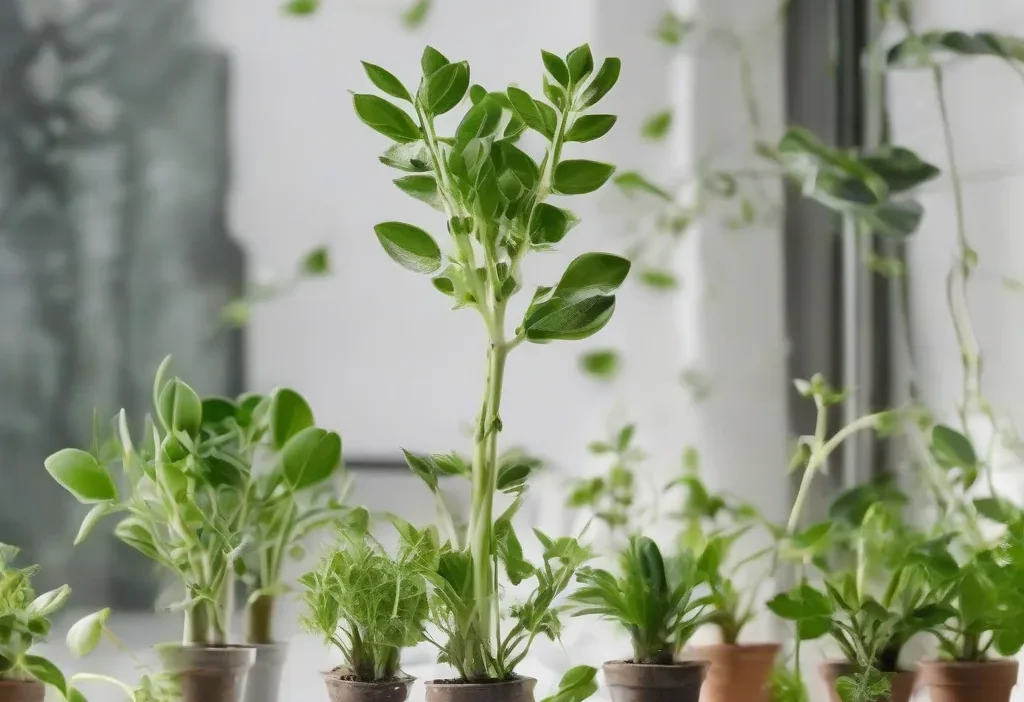
This path is for plants with tender, flexible stems that are easy to pinch or snap. Think of your common houseplants and many herbs: Pothos, Philodendron, Mint, Basil, Coleus, and most succulents. Their stems are full of active growth cells, ready to produce roots quickly, often in just water. The process here is intuitive and offers rapid gratification, making it perfect for building confidence.
The Woody Stem Path (Strategic)
This path is for shrubs, trees, and woody perennials like Rosemary, Hydrangea, Fig, and Rose. Their stems are firmer, covered in bark, and their growth cycles are tied to seasons. Propagating these requires more precision—taking cuttings at the right time of year (softwood, semi-hardwood, or hardwood), using rooting hormone, and providing a controlled soil environment. Success here is a slower, more deliberate victory.
A third category, semi-hardwood cuttings, acts as a bridge. Taken in late summer from partially matured wood (like from Camellia or Holly), they blend techniques from both paths, requiring more care than soft stems but being more resilient than tender softwood.
Path 1: The Quick-Start Guide for Soft-Stemmed Plants
If your plant has stems you can easily pinch with your fingernails, you’re on the quick-start path. This method is wonderfully straightforward, but a few key pointers will turn your attempts into consistent successes.

Photo by Teona Swift on Pexels
Ideal Candidates & Timing
The best plants for this method are actively growing herbaceous plants and succulents. Take cuttings in the spring or summer when the plant is in its growth prime. A healthy, pest-free stem with several leaves is your target.
The Simple Process: Snip, Prep, Root
Using clean, sharp scissors or pruners, cut a 4-6 inch section just below a leaf node (the bump where a leaf grows). For succulents, allow the cut end to “callus” or dry for a day or two to prevent rot. Remove the leaves from the bottom few inches of the stem.
Rooting Your Cuttings: You have two excellent options for rooting stem cuttings from soft plants:
- Water Propagation: The classic method. Place the cutting in a glass of water, ensuring no leaves are submerged. Change the water weekly. You’ll see roots in 1-3 weeks. It’s a fantastic learning tool, but roots grown in water are different from soil roots and can suffer shock when transplanted.
- Soil/Perlite Propagation: For a smoother transition, plant the cutting directly into a moist, well-draining mix (like half potting soil, half perlite). This skips the transplant shock and is often faster for plants like succulents and herbs. Keep the medium lightly moist and provide high humidity by covering the pot with a plastic bag.
While not always necessary for these easy rooters, a dab of rooting hormone for cuttings can speed things up and increase success rates, especially for slightly trickier soft-stemmed plants.
Path 2: The Strategic Blueprint for Woody Stems
Propagating woody plants is a game of patience and precision. It’s less about instant results and more about creating the perfect conditions for roots to slowly emerge from stubborn, mature tissue. Your success hinges on three pillars: the type of wood, the timing, and the medium.
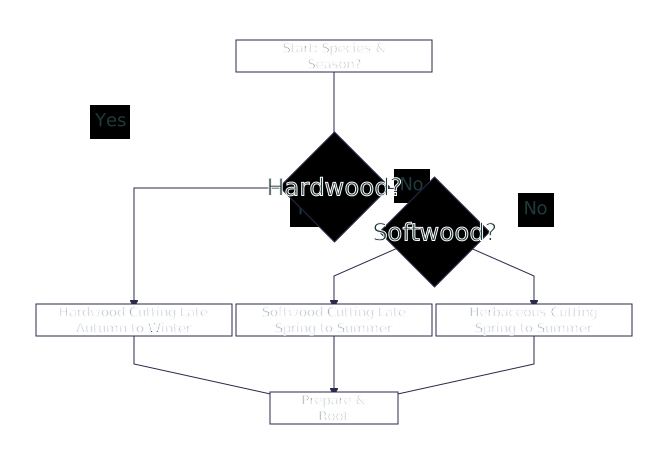
The table below breaks down the critical differences between the three types of woody cuttings. Use it to diagnose what kind of cutting you should take and when.
| Cutting Type | Best For (Examples) | Ideal Season | Cutting Preparation | Typical Rooting Time | Pro Tip |
|---|---|---|---|---|---|
| Softwood | New, flexible spring growth (Hydrangea, Fuchsia, Butterfly Bush) | Late Spring to Early Summer | 4-6 inch tip cutting, leaves trimmed on lower half. | 3-6 weeks | Requires high humidity. Use a propagation dome or plastic bag to prevent wilt. |
| Semi-hardwood | Partially matured summer wood (Camellia, Holly, Rosemary, some Azaleas) | Late Summer to Early Fall | 4-8 inch cutting from current season’s growth that has started to firm up. | 6-10 weeks | Rooting hormone is highly recommended. Bottom heat (a heat mat) can significantly improve success. |
| Hardwood | Fully dormant, leafless wood (Fig, Grape, Willow, Deciduous shrubs) | Late Fall to Winter | 6-12 inch “pencil-sized” cutting, taken from previous year’s growth. | Several months (roots form in spring) | Can be bundled and stored in a cool, moist medium over winter before planting (“stratification”). Very low maintenance but slow. |
The Non-Negotiables for Woody Cuttings
Unlike the soft-stem path, you cannot simply propagate stem cuttings from woody plants in water. They require a well-draining, sterile medium like coarse sand, perlite, or a 50/50 peat-perlite mix. This provides oxygen to the base while holding moisture. A rooting hormone (powder, gel, or liquid) is virtually essential—it contains auxins that trigger root growth in this tougher material. Finally, consistent moisture and humidity are critical, but “moist” is not “wet.” Soggy soil is the fastest route to rot.
Your Propagation Toolkit: Beyond the Scissors
Having the right tools doesn’t just make the job easier—it directly impacts your success rate by preventing disease and creating ideal rooting conditions. Here’s what you need and why it matters.
Cutting Tools
Sharp, Clean Blades: Use bypass pruners for stems up to pencil thickness or a sharp knife/razor blade for finer work. A clean, sharp cut severs cells cleanly, allowing for faster healing and root formation. A crushed or ragged cut from dull tools is an open invitation for rot. Wipe blades with rubbing alcohol between plants to prevent spreading disease.
Rooting Mediums
The medium’s job is to support the cutting, retain some moisture, and allow oxygen to reach the developing roots. Different materials serve different paths:
- Water: Great for observation and soft stems, but not for woody plants.
- Potting Soil: Must be light and well-draining. Often mixed 50/50 with perlite for better aeration.
- Perlite/Vermiculite: Sterile, inorganic, and excellent for moisture retention and aeration. Ideal for woody cuttings.
- Sphagnum Moss: Holds immense moisture and air. Excellent for semi-hydro propagation of aroids and other plants prone to rot in soil.
Hormones & Humidity
Rooting Hormone: This powder, gel, or liquid contains synthetic auxins. For soft cuttings, it’s a booster. For woody cuttings, it’s often the trigger that makes rooting possible. Gel formulas are popular as they adhere well and often contain antifungal agents.
Humidity Domes: A clear plastic bag over a pot or a dedicated propagation tray creates a “mini greenhouse.” This reduces water loss from leaves (transpiration) while your cutting has no roots to replace it, preventing fatal wilting.
Common Stumbles and How to Sidestep Them
Even with the right path, things can go sideways. Recognizing these common failures early lets you correct course. Remember, each mistake is a lesson in plant physiology.
1. Rotting Stem (The Cut End Turns Mushy)
The Culprit: Overwatering, poor drainage, or an unclean cut in a non-sterile medium. It’s a fungal or bacterial infection.
The Fix: It’s usually too late for that cutting. Discard it. For next time, ensure your medium is well-draining (add perlite), let succulent cuts callus, and water only when the top of the medium feels dry. Sterilize your tools.
2. Wilted or Crispy Leaves
The Culprit: Low humidity. The cutting is losing water through its leaves faster than its non-existent roots can draw it up.
The Fix: Immediately increase humidity. Use a plastic bag dome or a misting cloche. Ensure the cutting is not in direct, hot sunlight which accelerates water loss.
3. No Roots After Weeks (But the Cutting Looks Fine)
The Culprit: Wrong season or wrong wood type. A hardwood cutting taken in spring won’t root quickly. Also, low light can slow root development.
The Fix: Patience. Verify you took the correct type of cutting for the season (refer to the table). Provide bright, indirect light and consider adding bottom heat with a seedling mat, which can stimulate root growth.
4. “Damping Off” (Seedling Collapses at Soil Line)
The Culprit: A soil-borne fungus that attacks tender stems in cool, wet, poorly ventilated conditions.
The Fix: Prevention is key. Use a sterile potting mix, avoid overwatering, and provide gentle air circulation. A light dusting of cinnamon on the soil surface can act as a mild natural antifungal.
Your Propagation Journey Starts Now
Remember that gardener with the scissors, hesitating? That was you, before you had the map. Now, you understand that the lush pothos and the sturdy hydrangea require different journeys—one a quick sprint, the other a mindful hike. This knowledge is what separates hopeful snipping from successful propagation.
The true secret isn’t a green thumb; it’s matching your method to your plant’s biology. Start with a sure win: find a soft-stemmed plant you love and take that first cut. Experience the thrill of seeing those first water roots or a new leaf emerging from soil. Let that confidence build. Then, when you’re ready, apply your strategic knowledge to a woody shrub you’ve admired. With the right timing, tools, and patience, you’ll unlock a whole new way to grow your garden.
Every plant on your shelf or in your border holds the potential for more. You now have the guide to set that potential free. Go make some plants.
This guide hinges on one core principle: your technique for stem cutting propagation must match your plant type. For soft-stemmed plants (like pothos and herbs), the path is fast and forgiving, often successful in just water. For woody plants (like shrubs and trees), success requires strategic timing, a sterile soil medium, and usually rooting hormone.
Regardless of the path, three pillars are non-negotiable: start with healthy plant material, use sharp and clean tools, and manage moisture and humidity carefully to prevent rot or wilt. Use the comparison table for woody plants to pick the right cutting type and season. Now, armed with this framework, you’re ready to confidently propagate stem cuttings and expand your plant collection. Pick a plant, and make your first cut.