Trying to propagate a sprawling vine but unsure which layering method is right for your plant? You’re not alone. For gardeners moving beyond simple cuttings, the choice between tip layering vs serpentine layering can be the difference between a single successful clone and a whole new row of plants. This isn’t just about technique; it’s a practical decision that hinges entirely on your plant’s natural growth habit and your specific propagation goal. One method is a straightforward anchor for single stems, while the other is a strategic wave for long runners. By understanding their core differences, you can stop guessing and start propagating with confidence, matching the right layering technique comparison to your garden’s needs.
The best way to choose between tip layering and serpentine layering is to assess your plant’s growth habit and your propagation goal. Use tip layering for plants with flexible, single growing tips like blackberries to create one new plant. Use serpentine layering for long, vine-like stems such as wisteria or clematis to produce multiple plants from a single runner.
What Are Tip Layering and Serpentine Layering?
Before we dive into the comparison, let’s ground ourselves in clear definitions. Both are forms of ground layering, a propagation method where a stem is encouraged to root while still attached to the parent plant. The core difference lies in the stem’s journey into the soil.
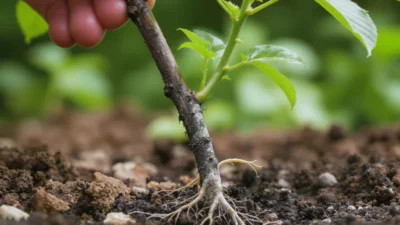
Tip layering is the simpler of the two. You select a healthy, flexible growing tip from the current season’s growth, bend it down to the soil, and bury just the tip (about 2-4 inches) in a shallow hole. The rest of the stem arches back up, forming a “U” shape. This buried tip will develop roots, and eventually, you can sever the connection to create a new, independent plant. It’s a classic method for brambles.
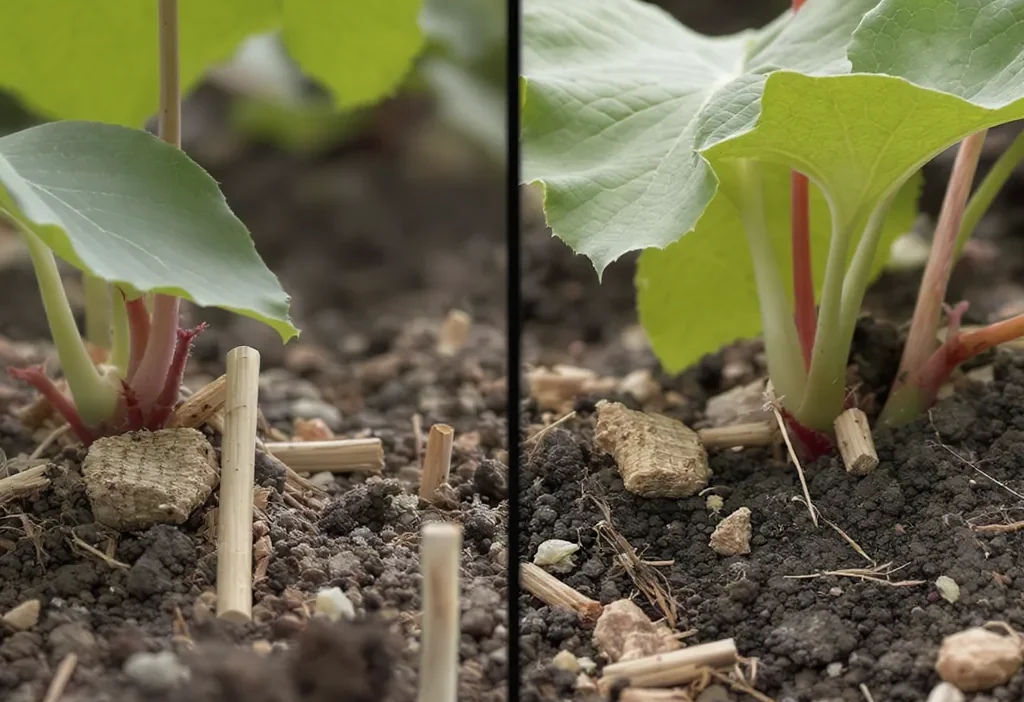
Serpentine layering, also known as compound layering, is for the more ambitious propagator. It involves taking a long, flexible vine or runner and weaving it in and out of the soil in a wave-like pattern. You bury several sections of the same stem at intervals, leaving the leaf nodes (or “eyes”) between buried sections exposed above ground. Each buried section can produce its own root system, meaning you get multiple new plants from a single stem.

Photo by Katerina Holmes on Pexels
Side-by-Side Comparison: Key Differences
Understanding these core differences is the heart of any layering technique comparison. The table below breaks down the practical distinctions to help you scan quickly.
| Factor | Tip Layering | Serpentine Layering |
|---|---|---|
| Best For | Plants with single, flexible tips (e.g., blackberries, trailing roses). | Long, vine-like stems (e.g., wisteria, clematis, honeysuckle). |
| Process Complexity | Simple; one burial point. | Moderate; multiple burial points require planning. |
| Yield (Plants) | One new plant per tip. | Multiple new plants (3-5+) per stem. |
| Time to Root | Typically one growing season. | One growing season, but all sections root simultaneously. |
| Ideal Stem Type | Young, bendable tip of new growth. | Long, flexible, mature runner or vine from the current or previous year. |
As you can see, the choice isn’t just about preference; it’s dictated by your plant’s architecture. This makes a direct vine propagation comparison particularly relevant, as vining plants are prime candidates for these methods.
When to Choose Tip Layering (The Simple Anchor)
Tip layering is your go-to method when simplicity and certainty are priorities. Think of it as the reliable anchor for specific types of plants. You should reach for this technique when:
- Your plant has a single, pliable growing tip. This is the non-negotiable requirement. Classic examples include raspberries, blackberries, and certain types of trailing or rambling roses. The stem must be long enough to bend to the ground without snapping.
- You only need one new plant. Maybe you’re filling a gap in a berry patch or creating a single replacement. Tip layering is efficient for this goal.
- You’re new to plant propagation layering. With only one point of contact to manage, it’s forgiving and has a high success rate, making it an excellent confidence-builder.
- Space or time is limited. It requires minimal horizontal real estate in your garden and less initial setup effort compared to serpentine layering.
In short, if your plant naturally sends out arching canes that seem to want to touch the soil, tip layering is often the most intuitive and effective simple layering method to employ.
When Serpentine Layering Is Your Best Bet
Serpentine layering is the strategic choice for maximizing your propagation yield. It’s the method you employ when you have ambition and the right plant material. Choose serpentine layering when:
- You’re working with a long, trailing vine. This is the perfect scenario for vine plant layering. Plants like wisteria, clematis, honeysuckle, philodendron, and even some types of ivy produce stems that are ideal for this “wave” technique.
- Your goal is quantity. Why create one plant when you can create four or five from the same effort? This method is incredibly efficient for rapidly expanding a collection or producing multiple gifts from a prized parent plant.
- You have ample horizontal space. You’ll need a clear, prepared bed or a large container to accommodate the serpentine path of the stem.
- You’re comfortable with a slightly more involved process. You’ll need to secure multiple stem sections, which requires a bit more planning and a few more landscape pins or weights.
If you look at a long stem and see the potential for several new plants, not just one, then the serpentine layering method is your clear path forward.
Your Quick-Reference Decision Guide
Still unsure? This simple, text-based decision tree will cut through the noise. Ask yourself these questions about the plant you want to propagate:
- Is the stem a long, flexible vine or runner? (Think several feet long)
- Yes → Proceed to question 2.
- No → Proceed to question 3.
- Do you want to create multiple new plants from this single stem?
- Yes → Choose Serpentine Layering. You have the ideal plant and goal for this method.
- No → You could still use a simple tip layer on the end of the vine, or consider other methods like cuttings.
- Does the plant have a single, bendable growing tip? (Can it arch to the ground?)
- Yes → Choose Tip Layering. This is the straightforward, effective choice.
- No → These layering methods may not be suitable. Consider stem cuttings, division, or other propagation techniques.
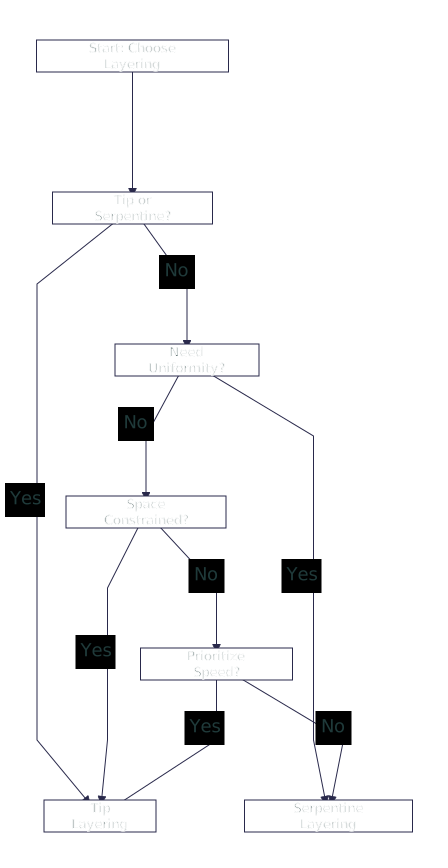
This logical flow removes the guesswork and directly ties the best layering for vines and other plants to their physical traits and your desired outcome.
Make Your Choice and Get Layering
The debate between tip and serpentine layering isn’t about which is universally better—it’s about which is better for your plant and your goal. You now have the clear criteria: match the plant’s growth habit to the technique. For single-tip arching stems, keep it simple with tip layering. For long, prolific vines where you want a bounty of new plants, embrace the serpentine method.
This knowledge turns propagation from a hopeful experiment into a predictable process. Now, examine your plant’s stem and choose your method—your new plants are waiting.