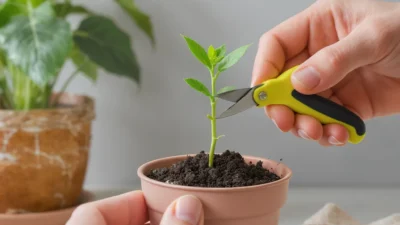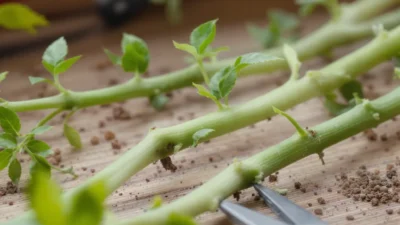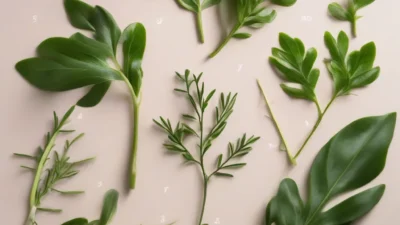
If you’ve ever looked at a lush houseplant and thought, “I could make more of those,” you’ve likely faced the classic gardener’s dilemma: should you root that stem cutting in a glass of water or tuck it directly into soil? The prevailing wisdom, especially on social media, often champions water propagation as the foolproof, beginner-friendly method. But here’s the counterintuitive truth: sticking a cutting in water isn’t always the “easy” button it seems to be, and for many plants, it can actually set you up for failure. Choosing between water and soil propagation for stem cuttings is a strategic decision with real trade-offs, impacting not just whether roots appear, but the long-term health and resilience of your new plant. Understanding the core differences between these methods is the key to consistently successful propagation, turning a hopeful snip into a thriving addition to your collection.
The best method depends on your plant and goals. Water propagation lets you watch roots grow and works well for many houseplants like pothos, but soil propagation often leads to stronger, more adaptable roots and is better for woody stems or plants prone to rot. For a quick, visible win with easy-rooting plants, choose water. For a seamless transition to a robust plant, especially with succulents, herbs, or woody cuttings, soil is the smarter choice.
The Core Trade-Off: Speed vs. Strength
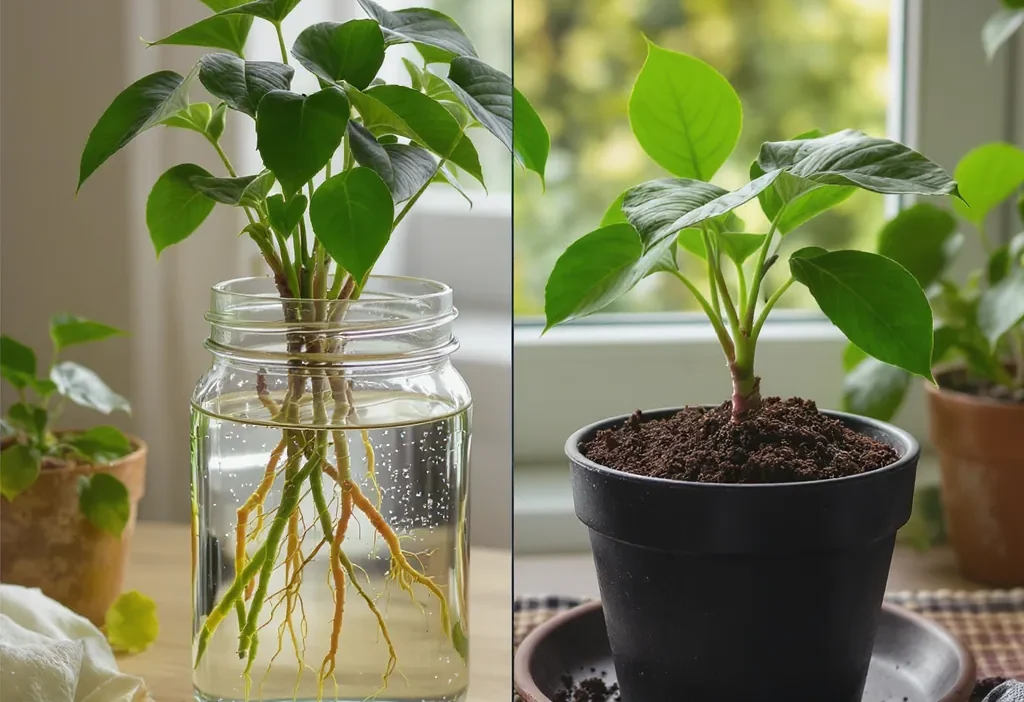
At the heart of the water vs soil propagation for stem cuttings debate is a simple biological trade-off. Water propagation often gives you faster visual gratification—you can see those first white, thread-like roots appear within days or weeks. However, those roots are specialized “water roots,” adapted to an aquatic environment. They are often more fragile and can struggle when moved to soil, a phenomenon known as transplant shock.
Conversely, rooting cuttings in soil is a slower, more patient game. You won’t see progress until new leaf growth appears, which requires faith. But the roots that form are robust “soil roots” from day one. They are immediately adapted to their permanent home, leading to a stronger, more seamless transition for the plant. The choice, then, isn’t just about preference; it’s about prioritizing immediate visibility versus long-term plant vigor.
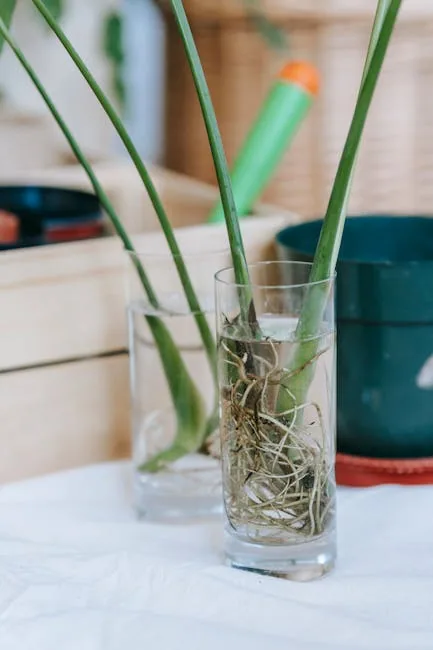
Photo by Teona Swift on Pexels
| Criteria | Water Propagation | Soil Propagation |
|---|---|---|
| Root Visibility | High – you watch roots grow. | None – progress is hidden until new growth appears. |
| Root Adaptation | Produces fragile “water roots.” | Produces hardy “soil roots” from the start. |
| Transplant Shock Risk | High – moving from water to soil is stressful. | None – the plant is already established in its medium. |
| Best For Plant Types | Easy-rooting, vining houseplants (e.g., Pothos, Philodendron). | Woody stems, succulents, herbs, and rot-prone plants. |
| Speed of Visible Roots | Fast (often 1-4 weeks). | Slow (roots establish before top growth is visible). |
| Maintenance / Ease | Easy to monitor, but requires regular water changes. | Requires more faith and careful moisture management. |
When to Choose Water Propagation
Rooting cuttings in water is your best bet in a few specific scenarios. First and foremost, it’s ideal for beginner propagators or anyone who needs that visual confirmation to stay motivated. Watching roots develop is incredibly rewarding and educational.
This method shines with a specific group of plants: those with soft, vining stems that naturally root with ease. Think of common houseplants like Pothos, Philodendron, Tradescantia (Wandering Dude), and some herbs like Mint or Basil. It’s also a fantastic rescue technique for ailing cuttings, as you can monitor root health directly and catch rot before it’s too late. If your goal is a quick, satisfying win or a beautiful decorative display on a windowsill, water is a great choice.
When Soil Propagation is the Smarter Choice
For many plants, skipping the water glass and rooting cuttings in soil directly is the more strategic path. This is non-negotiable for plants that are highly susceptible to rot in stagnant water, such as succulents, snake plants, and ZZ plants. Woody-stemmed herbs like rosemary, lavender, and many outdoor shrubs and trees also root much more reliably in a well-draining soil mix.
Choosing soil from the start eliminates the risk of transplant shock entirely, giving your new plant a stronger foundation. It’s also more efficient if you’re propagating many cuttings at once—imagine managing a dozen water jars versus a single tray of soil. For the gardener who tends to forget cuttings in water until they become slimy, or for anyone aiming for the most robust and adaptable plant possible, soil propagation is often the smarter, more forgiving choice.
Your Decision Guide: Plant, Patience, and Purpose
Instead of overthinking, use this simple three-question framework to make your choice. Answer these, and the right method will usually become clear.
1. What plant are you propagating? This is the most critical factor. If it’s a succulent, woody herb, or known to rot easily, go straight to soil. If it’s a vining tropical houseplant, water is a safe and satisfying option.
2. How patient are you? If you need to see progress to stay engaged, water’s visibility is a huge benefit. If you’re comfortable with a “set it and forget it” approach where trust is required, soil is perfect.
3. What is your ultimate goal? A quick clone for a friend? Water might be faster. A robust, long-term plant that won’t skip a beat after potting? Soil minimizes setbacks.
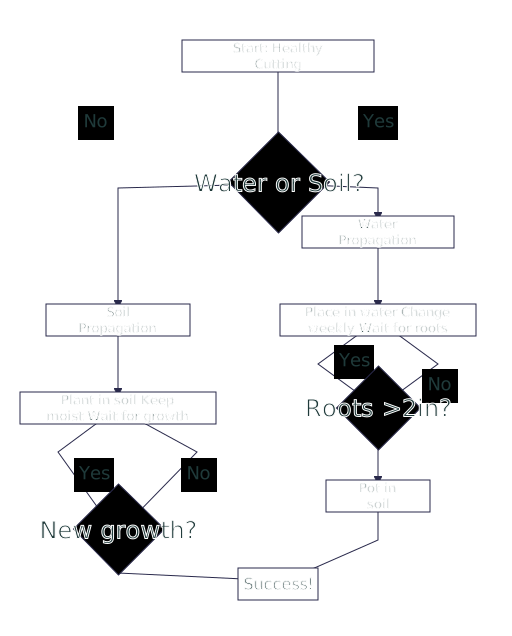
This simple decision tree synthesizes the key points. Remember, both stem cutting propagation methods are valid; the goal is to pick the one that aligns with your plant’s needs and your gardening style.
Make Your Choice and Start Propagating
The debate between water rooting vs soil rooting isn’t about finding a single “best” method. It’s about matching the technique to your specific plant and circumstances. Water propagation offers a window into the magic of root growth, perfect for beginners and certain easy-going plants. Soil propagation, while requiring more patience upfront, often leads to a sturdier, more successful plant by avoiding the pitfalls of transition.
Now, the most important step is to stop analyzing and start doing. Pick one plant from your collection, consult the guide above, and commit to one method. Whether you choose the clear glass or the potting mix, you’re taking the active step to grow your plant family—and that’s what truly matters.