If you’ve ever watched a promising plant cutting turn to a mushy, brown stump, you’ve likely been told the problem was simply “overwatering.” But here’s the counterintuitive truth that changes everything: the biggest threat to your propagation efforts isn’t a lack of water—it’s the water itself. The common advice to “keep it moist” often leads directly to the very rot we’re trying to avoid, creating a frustrating cycle of rooting failure. This happens because we’re focusing on the wrong part of the equation. To stop cuttings from rotting before rooting, we need to shift from a mindset of constant dampness to understanding the delicate biology at play. It’s not about using less water, but about managing moisture smarter to create an environment where root cells can thrive instead of suffocate. Let’s break down why this happens and move you toward safer, more reliable fixes.
Cuttings rot before rooting because a waterlogged environment starves the wounded stem of oxygen, creating ideal conditions for rot-causing bacteria and fungi to invade. The key to prevention is not just less water, but smarter moisture management that prioritizes air around the stem. This means providing humidity without saturation, ensuring the propagation medium holds moisture like a wrung-out sponge, not a soaked one.
The Biology of Rot: It’s Not Just ‘Too Wet’
When a cutting rots before it roots, it’s easy to blame simple overwatering. But the real story is a biological battle happening at the stem. Understanding this changes everything. The problem starts with two factors colliding.
First, the cut you made is an open wound. This fresh tissue is vulnerable, lacking the protective outer layers of an established stem. Second, and most critically, a waterlogged propagation medium creates an oxygen-starved (anaerobic) environment. Root cells need oxygen to grow and multiply. In soggy conditions, that oxygen is pushed out by water, suffocating the cutting’s own repair and growth processes.
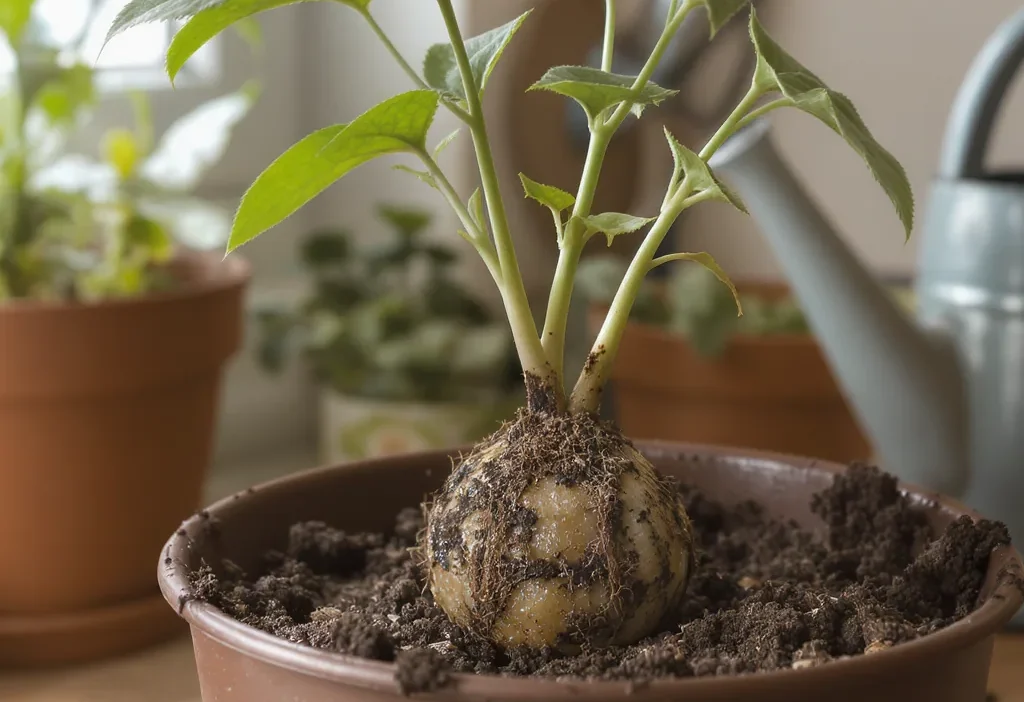
Meanwhile, the same wet, airless conditions are a paradise for rot-causing bacteria and fungi that are always present in water, soil, and air. These opportunistic pathogens multiply rapidly without oxygen, invading the vulnerable wounded tissue. The result is stem rot propagation: the cutting decays from the inside out before it ever has a chance to callus and form roots.
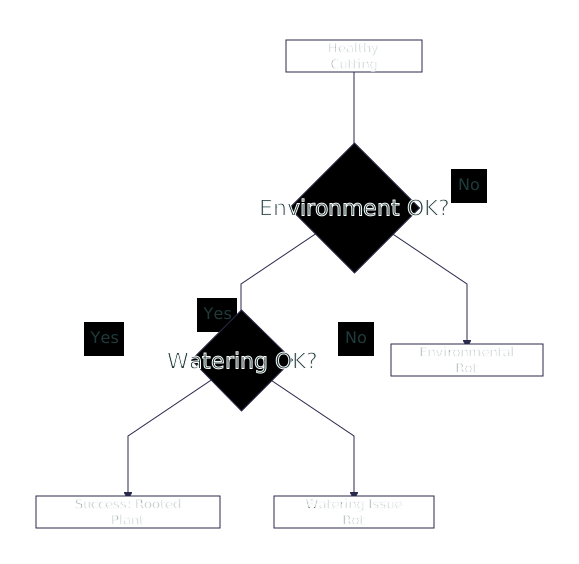
So, propagation rot isn’t just about the amount of water; it’s about the environment that water creates. Your goal isn’t to eliminate moisture—it’s to manage it in a way that favors root cell activity over microbial invasion.
The Moisture Paradox: Damp vs. Soggy
The most common advice for rooting cuttings is to “keep the medium moist.” This is where many well-intentioned propagators go wrong, leading to classic overwatering propagation cuttings. The key is understanding the crucial difference between damp and soggy.
Think of a wrung-out sponge. It feels cool and damp to the touch, but if you squeeze it, no water drips out. This is the ideal state for most rooting mediums: it holds moisture around the stem but is still full of tiny air pockets. Now, imagine a sponge soaking in a bowl of water. It’s saturated, heavy, and airless. This is “soggy”—the state that causes rot.
Consistent moisture for root initiation means maintaining that wrung-out-sponge dampness. Saturation, on the other hand, drowns the cutting. This distinction is the core conceptual shift. You’re not watering a plant with roots; you’re providing a humid, airy environment for a wound to heal and new cells to form. When you get this right, you solve most rooting failure moisture issues at the source.
Safer Moisture Fixes for Reliable Rooting
Instead of focusing on pouring water, focus on controlling the environment. Here are practical, safer alternatives that provide the humidity cuttings need without waterlogging the stem—the essence of true rooting rot prevention.
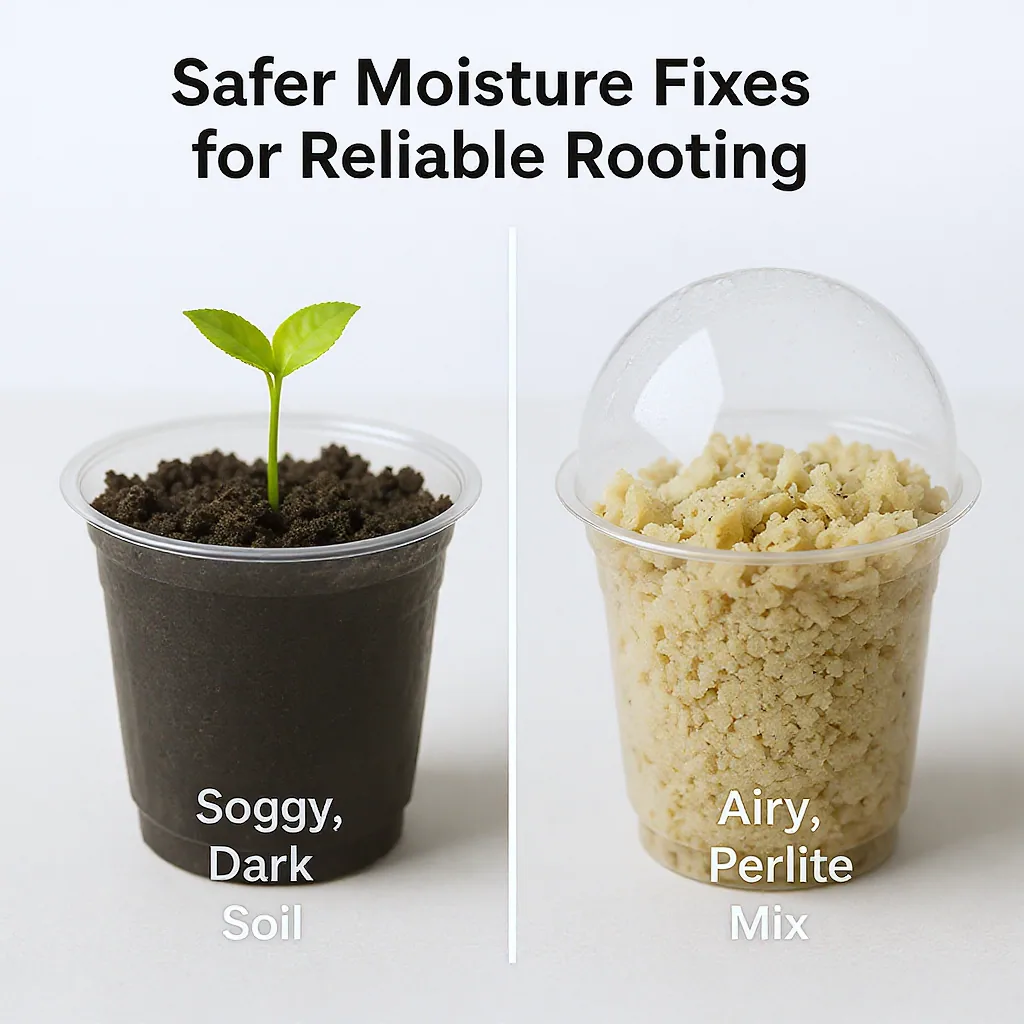
1. Humidity Dome Over Wet Soil
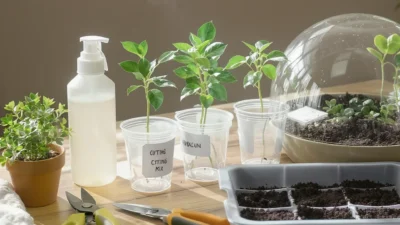
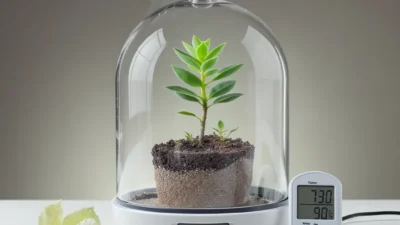
Do This: Place a clear plastic bag or dome over the cutting to trap evaporating moisture, creating a humid microclimate. The medium below only needs to be lightly damp.
Not That: Pouring water directly onto the soil every day, keeping it perpetually wet.
2. The Baggie Method for Single Cuttings
For a single stem, place a lightly moistened paper towel or a small amount of damp sphagnum moss in a zip-top bag with the cutting. Seal it most of the way, blow a little air into it to inflate, then finish sealing. This creates a humid, airy greenhouse.
3. Smarter Water Propagation
If rooting in water, change the water every 3-5 days. Stagnant water loses oxygen and allows bacterial films to form on the stem, a common cause of water propagation rot. Use an opaque container or keep it in a dark place to discourage algae.
4. Use a Well-Aerated Mix
Ditch dense potting soil for propagation. Mix in 50% or more perlite, coarse sand, or pumice. These inorganic materials don’t hold excess water and create permanent air pockets, giving roots the oxygen they crave while wicking away moisture from the stem.
5. Bottom-Watering for Established Cuttings
Once a cutting has initial root nubs, water from the bottom. Place the pot in a shallow tray of water for 10-15 minutes, allowing the medium to draw moisture up. This keeps the surface and stem base drier while ensuring moisture reaches the new roots.
Choosing Your Propagation Medium Wisely
Your choice of medium directly influences oxygen levels and rot risk. Each has pros and cons through the lens of moisture management.
Water: Highly visible but requires diligence. Oxygen depletes quickly, so frequent changes are non-negotiable to prevent rot. Best for quick-rooting plants like pothos or mint.
Potting Soil: Familiar but risky. It’s easy to overwater and it compacts, reducing air pockets. If you use soil, amend it heavily with perlite (a 1:1 ratio is a good start) to improve drainage and aeration.
Perlite/Vermiculite: Excellent inert options. They stay uniformly moist but are inherently airy, drastically reducing soil propagation rot risk. They’re especially good for succulents and plants prone to stem rot.
Sphagnum Moss: Holds moisture well and is naturally antimicrobial, but it must be damp, not soaked. It’s great for creating high humidity around the stem without submerging it.
LECA (Clay Pebbles): Provides maximum oxygen to the root zone. You maintain a reservoir of water at the bottom of the pot, and the cuttings wick up what they need while the stems stay high and dry in the airy pebbles.
The best medium often depends on your plant and your environment. In a humid home, a grittier mix like perlite is safer. In a dry climate, moss or a covered dome method might be necessary to maintain humidity without constant watering.
Shift from Moisture Guesswork to Confident Control
Seeing your cuttings rot before rooting is frustrating, but it’s a clear signal, not a personal failure. It’s your cutting telling you the environment is favoring microbes over new growth. By understanding the biology—that rot thrives in wet, airless conditions while roots need moisture and oxygen—you move from guesswork to informed control.
Your primary tool is no longer just a watering can; it’s your ability to manage the entire rooting environment. Choose an airy medium, provide humidity intelligently, and always prioritize oxygen flow to the stem. The goal is to create conditions where root cells are the fastest, happiest things growing.
Your decisive next step? Audit one of your current propagation setups. Look at the medium: is it truly damp like a wrung-out sponge, or is it soggy? Check for airflow and humidity. This simple observation is the first step toward consistent, rot-free success.