You’ve carefully separated a plump, healthy pup from its mother plant, full of hope for a new succulent. But days later, it’s shriveled, mushy, or just… dead. It’s a gut punch, and the usual suspect—over or under-watering—gets the blame. But what if the real culprit is a hidden shock that happens long before the first drop of water touches the soil? The most common reason for separated pups not surviving isn’t about care after the fact; it’s a fatal error during the separation process itself. Rushing to detach an offset before it’s ready, or damaging its delicate tissues, inflicts a severe transplant shock from which it often can’t recover. The good news? This failure is almost entirely preventable, and even a struggling pup can often be saved with a few simple, counterintuitive fixes.
Separated pups fail most often because they’re removed before developing their own roots or are damaged during separation, leading to fatal transplant shock. The easiest fix is to wait for visible roots, make a clean cut with a sterile tool, and let the wound callus before replanting in dry, well-draining soil. Provide bright, indirect light and absolutely no water until you see signs of new growth, which signals that roots have formed.
The Real Reason Your Separated Pups Fail (It’s Not Just Water)
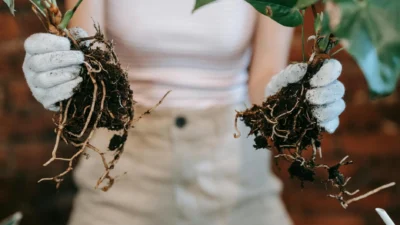
Photo by Brett Jordan on Pexels
When a promising offset wilts and dies after you’ve carefully replanted it, it’s easy to blame watering habits. But the root cause is usually a hidden trauma that happened before you ever put it in soil. This is transplant shock, a physiological stress response that overwhelms a young plant’s systems. Understanding its three main triggers is the first step to fixing propagation failure.
1. Premature Separation (The Root of the Problem)
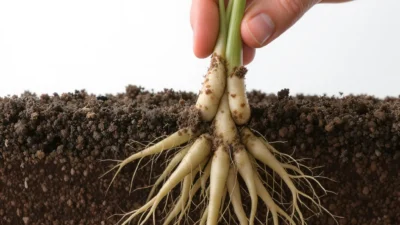
The most critical mistake is removing a pup before it has developed its own independent root system. An offset that looks plump and healthy might still be entirely dependent on the mother plant for water and nutrients. Separating it then is like cutting an umbilical cord too early. Without roots to take up moisture, the pup dehydrates from the inside out, no matter how damp you keep the soil.
2. Physical Damage During the Cut
Using dull, dirty, or inappropriate tools to separate the pup can crush its delicate stem tissue or introduce pathogens. This damaged area becomes an open wound, vulnerable to rot. Even if the pup had roots, a compromised connection point can’t efficiently transport water, leading to a slow decline.
3. Environmental Shock Post-Separation
After the trauma of separation, a pup needs a stable, gentle environment to recover. Placing it immediately into wet soil, under harsh direct sun, or in a drafty location adds multiple layers of stress. Its compromised state means it can’t handle normal conditions, accelerating the wilting you see. This is why the right aftercare is non-negotiable for saving separated offsets.
Your Step-by-Step Replanting Rescue Protocol
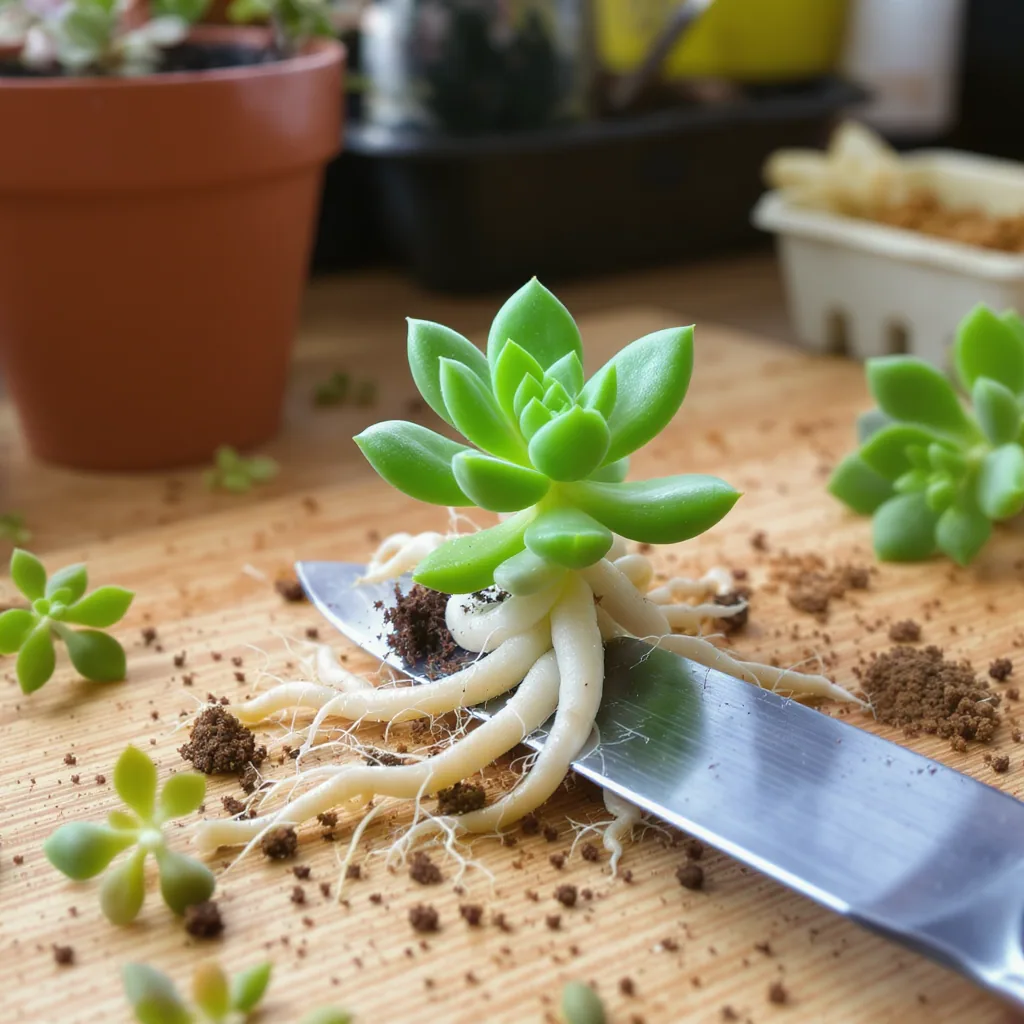
If you have a pup that’s looking sad post-separation, don’t give up. Follow this immediate action plan to give it the best chance at recovery. This protocol focuses on stabilizing the plant and encouraging root development.
- Assess and Clean: Gently remove the pup from its soil. If the base is mushy or black, trim above the rot with a sterile blade. If it’s just wilted but firm, proceed.
- Callus the Wound: This is the most critical step. Place the pup in a dry, shaded spot with good air circulation for 1-3 days (longer for thicker cuts) until the cut end forms a dry, hard scab. This seals out moisture and rot.
- Choose the Right Medium: Use a dry, well-draining mix specifically for cacti and succulents, or make your own with potting soil and plenty of perlite or pumice. Do not use regular garden soil.
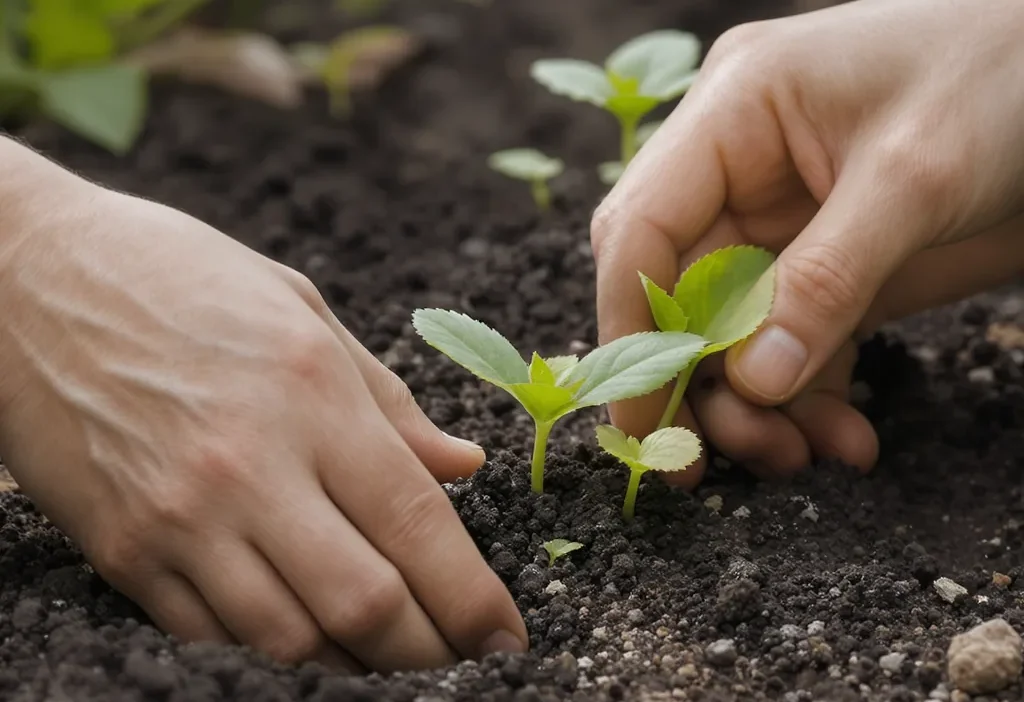
- Plant Shallowly: Place the callused end just on top of the soil or in a very shallow indentation. Do not bury it. You can use a small stone or tweezer to keep it upright if needed.
- The Critical Initial Placement: Put the pot in a location with bright, indirect light (no direct sun). Do not water. Wait.
This “dry start” method reduces the risk of rot and signals to the plant that it needs to search for water by growing roots. This is the core of replanting offsets care that many beginners miss.
The 4 Most Common Mistakes (And How to Avoid Them Next Time)
Learning from these frequent propagating pups mistakes will transform your success rate. Here’s a quick breakdown of what goes wrong and the simple fix.
Mistake 1: Separating Too Early. The eagerness to get a new plant leads to cutting a pup that’s just a nub with no roots.
The Fix: Patience. Wait until the offset is at least one-third the size of the mother plant and you can see visible, own roots.
Mistake 2: Using Dirty or Dull Tools. Kitchen scissors or a rusty knife can crush cells and spread disease.
The Fix: Wipe your cutting tool (a sharp knife or razor blade) with isopropyl alcohol before and after each cut for a clean slice.
Mistake 3: Skipping the Callusing Period. Planting a fresh, wet cut directly into soil is an invitation for fungal rot.
The Fix: Always let the cut end dry and form a callus in open air for several days before it touches any growing medium.
Mistake 4: Wrong Post-Planting Care. This includes immediate watering, fertilizing, or placing in direct sunlight.
The Fix: After replanting, provide only bright indirect light and absolutely no water until you see signs of new root growth (usually slight plumping or new leaves).
Setting Up Your Pups for Long-Term Success
Once your pup has survived the critical first few weeks, it’s time to transition from rescue mode to a routine that encourages robust growth. This phase is all about reading your plant’s signals.
When to Water (The “Wrinkle” Test)
The golden rule for succulent propagation problems is to resist watering on a schedule. Instead, wait for the plant to tell you it’s thirsty. For a newly rooted pup, this means waiting until the lower leaves show slight wrinkling or feel less firm. Then, give the soil a thorough soak, allowing all excess water to drain away completely. Return to the bright, dry spot.
Signs of Successful Rooting & Next Steps
Success isn’t just survival; it’s growth. Signs your pup transplant shock is over include new, compact leaf growth at the center and the plant feeling firmly anchored if given a very gentle tug. Only after you see consistent new growth for a month or two should you consider a very diluted dose of fertilizer during the growing season. Gradually, over several weeks, you can introduce it to an hour or two of morning sun, slowly increasing exposure to avoid sunburn.
Patience is Your Best Propagation Tool
Watching a separated pup struggle can feel discouraging, but it’s an incredibly common part of the learning process in gardening. It doesn’t mean you have a black thumb—it means you’ve encountered a specific, solvable problem. By understanding the hidden shock of separation and adjusting your technique to be more gentle and patient, you give every future offset a strong foundation. Take what you’ve learned here, apply it to your next propagation project, and remember that in the world of plants, slow and steady doesn’t just win the race; it grows a thriving, resilient garden.